Hospitals pass on heart patients
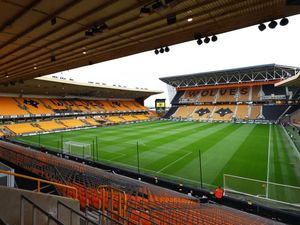
Heart attack patients will be rushed miles across the Black Country to be treated in Wolverhampton rather than taken to their nearest hospital in a controversial new scheme being launched next month.
Emergency heart attack patients in Dudley and Walsall will be transported to New Cross rather than taken to Russells Hall or Walsall Manor – meaning it could take more than half an hour for them to get treatment.
West Midlands Ambulance Service is bringing in the scheme on April 2.
Health bosses have insisted the move will ensure all patients receive top-class coronary care at the hospital's state-of-the-art new Heart and Lung Centre.
But members of a patients' forum have branded the move "barmy".
Russells Hall and Walsall Manor patients are currently given anti-clogging tablets on arrival but under the new scheme they will receive primary angioplasty – a procedure which uses a balloon-like device to open up the arteries.
Professor Tom Quinn, lead of West Midlands regional cardiac care, said: "There has been an ongoing consultation on this for a year and all cardiac experts agree that this is the best method.
"Out of everybody who calls ambulances suffering with chest pains, it is only around three per cent which would need this treatment.
"It is far superior to the tablets and it is safer to travel the extra difference.
"Personally it is the treatment I would want and it is the treatment I would want for my family."
The journey from Walsall to Wolverhampton is around five miles and from Dudley around nine miles.
Ted O'Shea, chairman of the Patient And Public Involvement in Health committee at New Cross, said: "It is just barmy. When people have heart attacks they need treatment as soon as possible at their nearest hospitals.
"Travelling miles out of the way can surely not help their life expectancy. Both of these hospitals must be at least half an hour away from New Cross."
Walsall and Dudley health bosses said they believed majority of patients would still be treated at their hospitals.