World famous shop sold
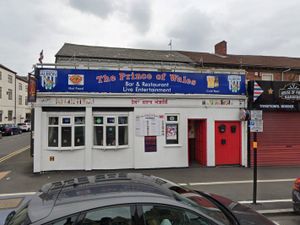
The corner shop where Black Country bicycle maker Major Nichols ran his world-famous business has been sold at auction for £95,000. The corner shop where Black Country bicycle maker Major Nichols ran his world-famous business has been sold at auction for £95,000. And the new owners of Mr Nichols' shop in Smethwick said they would be prepared to consider preserving the building as a monument to the life and works of the businessman. Mr Nichols made bikes which were known for their racing lines and colours from his businesses in West Bromwich, and latterly in Smethwick. He died at the age of 91 in a Sandwell care home in August, 2005. The name "Major" was his genuine Christian name, and not an assumed military rank. Read the full story in the Express & Star.
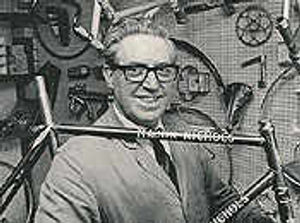
And the new owners of Mr Nichols' shop in Smethwick said they would be prepared to consider preserving the building as a monument to the life and works of the businessman.
Mr Nichols made bikes which were known for their racing lines and colours from his businesses in West Bromwich, and latterly in Smethwick.
He died at the age of 91 in a Sandwell care home in August, 2005. The name "Major" was his genuine Christian name, and not an assumed military rank.
Born in 1914, Mr Nichols travelled the world as a specialist technician with the Royal Navy during the Second World War.
He played a significant role in developing the radar technology that led to the capture of the Enigma code book and encoder that gave intelligence chiefs a crucial edge over German forces before turning his skills to his father's profession.
At a Birmingham property auction earlier this week, brothers Tom and James O'Brien bought the dilapidated corner shop where Mr Nichols and his wife, Wynn, lived and worked from the early 1970s.
Bearwood-based electrician Tom, 28, said he and his brother were fascinated by Mr Nichols' story and had not decided what they will do with the building.
"We're going to see what the area needs first," he said.
"But if the Black Country Museum, or the council are interested in helping us use it to commemorate the life of Major Nichols, we'd be happy to talk to them."
Mr O'Brien said that he believed that the museum was now in possession of Mr Nichols' workshop and its unsold frames.
By Jim Dunton