Mix-up costs punter £237,000
An internet punter's fat fingers led to him losing £237,000 on a horse running at Wolverhampton. But other gamblers struck it rich because of his keyboard error.An internet punter's fat fingers led to him losing £237,000 on a horse running at Wolverhampton. But other gamblers struck it rich because of his keyboard error. The man, who has not been named, had meant to place a bet on the pre-race favourite Peregrine Falcon at Dunstall Park last Saturday. But instead of making the bet, he pressed the wrong button and accepted wagers of 999-1. Read the full story in the Express & Star
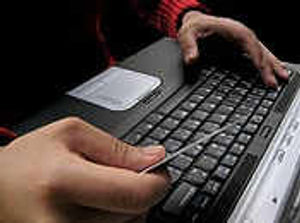
The man, who has not been named, had meant to place a bet on the pre-race favourite Peregrine Falcon at Dunstall Park last Saturday.
But instead of making the bet, he pressed the wrong button and accepted wagers of 999-1.The unlucky gambler's misfortune was another man's huge gain. One lucky punter took up the attractive odds and scooped £214,000.
Two other smaller bets also profited, meaning the man's sausage fingers cost him £237,000.
The transaction took place on internet betting website Betfair, which allows people to lay bets with each other.
Betfair spokesman Tony Calvin said: "It looks as if the layer simply made a mistake as all prices matched have to be confirmed before they are traded.
"The only alternative I could imagine is that the layer was using an automatic trading system and that there was some kind of problem with it.
"Nothing untoward is considered to have taken place, other than a genuine error on someone's part.
In December last year, one trader at the Japanese firm Mizuho Securities cost his bank £128 million after selling 599,999 shares by mistake.
The error meant colleagues missed out on their Christmas bonuses and it plunged the Japanese stock market into chaos.
And in 2001, trader Gontran de Quillacq, who worked for investment bank Lehman Brothers, accidentally sold shares worth £300 million, rather than the £3 million he intended and wiped £30 billion off the FTSE 100 share index at a stroke.
By Nick Pritchard