Iran war fuel costs and 400,000 overtime hours threaten West Midlands Ambulance Service finances
Fuel costs driven higher by the war in Iran and the continuing challenge of long waiting times outside hospitals are threatening to derail a regional ambulance trust’s financial plans.
The board of West Midlands Ambulance Service (WMAS) is set to meet this week with updates due to be given on the University NHS Trust’s financial position.
Karen Rutter, the trust’s director of finance, is set to tell the board meeting on Wednesday (March 25) that the trust is forecasting financial breakeven at the end of the financial year but there are risks to achieving that.

“The biggest risk to achieving that end of year position remains the level of overtime expenditure incurred to meet the resources required to alleviate the hospital handover pressure,” the director of finance’s report reads.
“An emerging risk to the forecast is an unexpected rise in fuel costs as a result of the Iran conflict.
“The bulk fuel contract has moved from weekly to daily pricing as a consequence of the market disruption and the current volatility.
“This situation is being managed closely with the supplier relationships in place.”
On the ongoing subject of handover delays at hospitals is examined in the board papers, which call them “by far the worst in the country.”
WMAS employs around 7,000 people with a budget of around £484 million and covers Shropshire, Herefordshire, Worcestershire, Staffordshire, Warwickshire, Coventry, Birmingham and the Black Country.
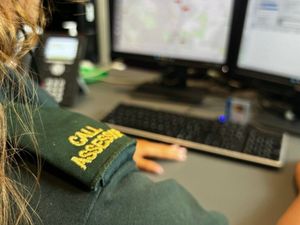
Background papers for the meeting reveal that WMAS staff have been subject to an increase in ‘violence and aggression’ including when they are “on the road with patients” and towards staff taking 999 calls.
On days with the worst delays up to a quarter (25 per cent) of 999 calls are from people asking “where their ambulance is, not I need one.”
The ambulance service is assuming that it will spend a total of 400,000 hours outside hospitals this year, costing commissioners £22.8 million.
But the papers reveal that they are aiming to reduce income from delays by £16.1m in 2026/27 as the NHS works to reduce the time that ambulances have to wait outside hospitals.
The trust’s draft strategy for 2026-27 states that the “core challenges almost all exclusively fall out of the current position on hospital handover delays, they are by far worst in the country in 2025/26.”
The strategy reads: “For 999 they result in a multi-faceted impact, with delays to responding to emergencies, staff stranded outside hospitals for hours on end with their patients, often ending their shifts late and the impact upon their clinical practice, with lower numbers of patients seen.
“Our staff have also seen a year-on-year increase in violence and aggression towards them, both on the road with patients and our EOC teams taking calls.
“For staff, the inability to dispatch ambulances, because so many are held outside hospitals for so long, has an obvious impact in terms of their well-being ad job satisfaction.”
Wednesday’s meeting is set to be held at WMAS headquarters at Brierley Hill from 11am and also on Microsoft Teams.