Soaring wage bill creates 'disappointing’ deficit for Birmingham hospital trust
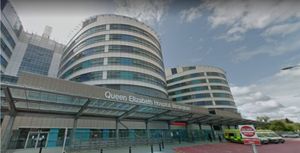
A soaring wage bill has created a huge financial deficit for hospitals in Birmingham and Solihull.
Figures presented to the University Hospitals Birmingham (UHB) NHS Foundation Trust board showed, as of the end of October (Month 7), a year-to-date deficit of £31.2 million.
This is £17.1 million more than the trust anticipated the position would be at this stage of the financial year.
Members were told the situation was “disappointing” following a better September where they’d recorded a small surplus for the month.
They also heard that an increased cost in pay was the main reason for the deficit in October.
A report to the board said they officers were continuing to work on a financial recovery plan but warned winter pressures and industrial action could have a major impact on attempts to balance the books.
Julian Miller, UHB chief financial officer, said: “It’s fair to say month seven was disappointing for the trust from a financial perspective following a more positive position in month six.
“At this stage of the year, you can’t really afford to have many more disappointing months. As at month seven, the year to date reported deficit increased to £31.2 million and that is £17.1 million adverse to the planned deficit for the period of £14.1 million.
“The in month deficit is £3.2 million which is £3.2 million adverse to plan. And that follows a small surplus in month six – we really needed to continue that trend and show further improvements.
“The key things that were driving that in month position is there was a net overspend of £4 million across pay – £1.7 million on substantive pay, £2 million on bank pay and £300,000 on agency.”
He added some non-pay related pressures had also contributed to the current financial position of the trust.
The report to board said: “Business units continue to develop further interventions to support improvement in the financial position but the recent industrial action and significant winter pressures are likely to lead to further deterioration of the variance against both the original plan and the Financial Recovery Plan.”