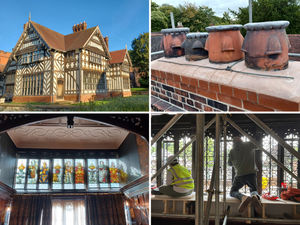
10 fascinating photos show Wolverhampton National Trust attraction before and after award-winning three-year renovation project
A restoration project at a Grade I-listed National Trust property in Wolverhampton using traditional methods and materials from the 19th century has won a conservation award.
The Victorian Society's Birmingham and West Midlands Regional Group has bestowed its Conservation Award on Wightwick Manor and Gardens's three-year Big MEND Project.
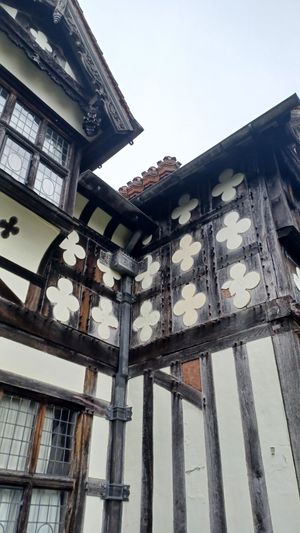
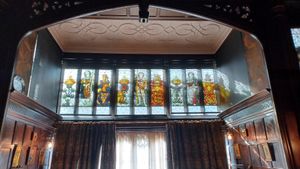
The award, sponsored by Hortons’ Estate Limited, recognises an outstanding renovation or conservation project on a building that dates or has had substantial alterations from between 1837-1914, within Birmingham and the West Midlands.
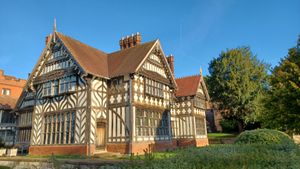
At a ceremony on Saturday (February 14) Wightwick Manor was announced as the winner, and described as: "One of England’s most complete surviving examples of a late Victorian Arts and Crafts domestic architecture."
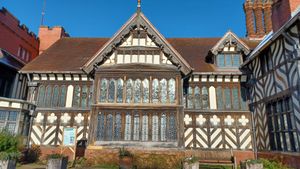
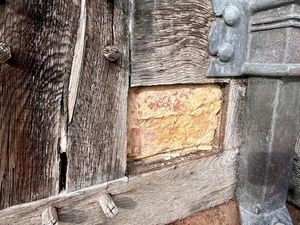
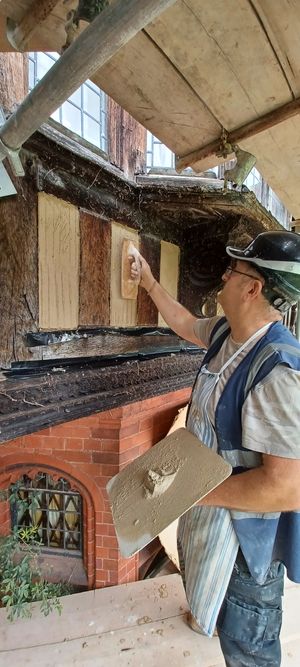
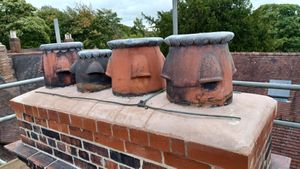
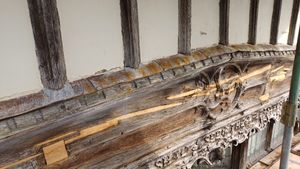
The Big MEND project addressed urgent issues in the building's timber frame, plasterwork and exterior, using traditional skills and appropriate materials matching the original design and construction of the building.
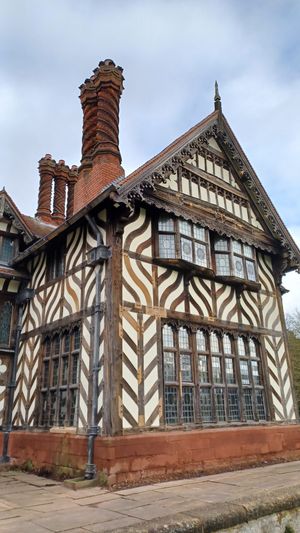
Built in 1887 and extended in 1893, the manor house was designed by Midlands architect Edward Ould for Theodore and Flora Mander.
It is now recognised as an important example of the architecture and design of the late 19th century, contains work by the leading designers of the period and is one of only a few surviving examples of such a home.
The building’s William Morris furnishings, fabrics, wallpapers, and stained glass are of international importance.
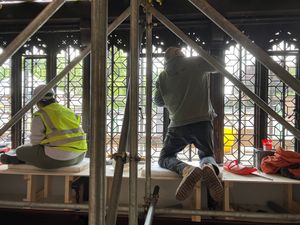
The restoration project was supported by funding from Arts Council England’s Museums and Estate Development Fund (MEND) and carried out by builder Messenger BCR and architect Tim Ratcliffe Associates.
Stephen Hartland, the regional chairman of the West Midlands Group of the Victorian Society, said: “I am absolutely delighted Wightwick Manor has been selected as the winner of the award.
"The judging panel was unanimous in its decision, reflecting the exceptionally high regard in which this project was held.
"From the outset, it was clear the work demonstrated an outstanding commitment to conservation principles, underpinned by a deep understanding of the building’s history and significance. The quality of craftsmanship and attention to detail throughout set this project apart as truly exemplary.”
Rachael Parry, building surveyor and project manager of ‘The Big MEND’, National Trust said: “The team is thrilled to receive this recognition for what has been a truly collaborative and rewarding project.
"The achievement reflects the dedication and expertise of so many people – from the Arts Council for their vital funding support, to our highly skilled conservation contractors and knowledgeable architect, and our experienced, passionate staff and volunteers.
“Together, we have completed complex, intricate repairs that safeguard Wightwick’s significant historic fabric and collection, while also creating a meaningful legacy through interpretation, specialist tours, and community engagement.
"Most importantly, this project has enabled us to share the importance of the responsibility we all have to care for its historic fabric for generations to come.”