Mary J Blige hopes Mudbound will make audiences question themselves on racism
The singer and actress said the discussions “need to be had”.
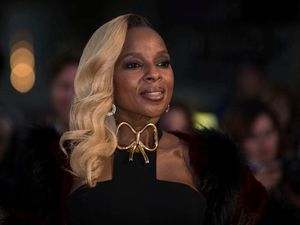
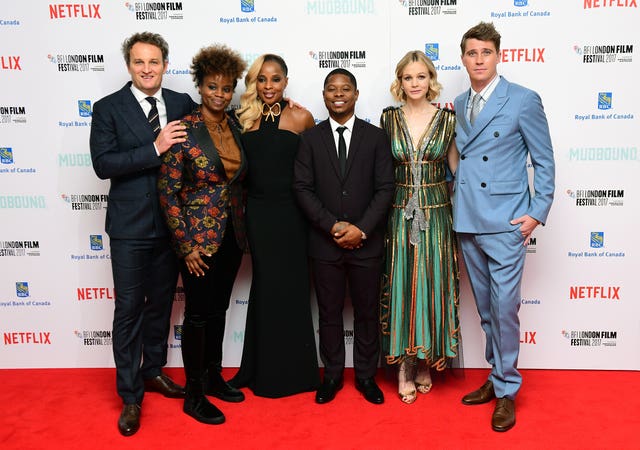
Singer Mary J Blige has said she hopes her new film prompts audiences to ask themselves tough questions about racism, “for those that are ready to face it”.
The chart-topping star takes on her biggest movie role to date in Mudbound, a story about a white family and a black family living on a farm in rural Mississippi in the 1940s.
The feature, which follows the interracial friendship between two young men returning home from the Second World War, is also a grim look at racism in the Deep South.
“I think people are far beyond wanting to hide now, it’s all out there and the discussions need to be had, what are we? Who are we? At the end of the day, we are one.”
Blige added that recent events in the US, including the deaths of unarmed young black men at the hands of the police, and the racial unrest in Charlottesville, mean the film will be viewed with different eyes to when it was first made.
She said: “I’m very conscious of that, when we were shooting the movie there were a lot of things going on that make you say ‘you’ve got to be kidding me’ but now it’s even gotten worse.
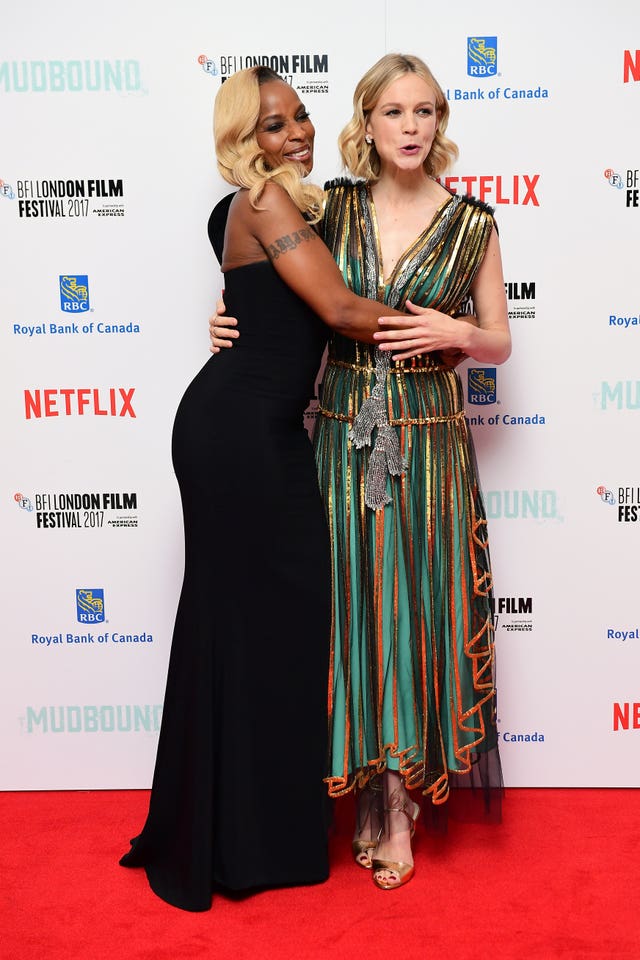
“When I saw it at Sundance it was urgent, it was urgent right away, and when I was watching it I was like wow this is going to be, I hope, something that really helps people.”
British actress Carey Mulligan, who plays the wife of the white landowner, added: “This film felt painfully relevant, even from the first day of shooting.
“The issues have come to the fore in the last year but this film would have been relevant last year as well, with everything that was going on in America and politics but in general I think this is a conversation that has been brushed under the carpet for so many years.
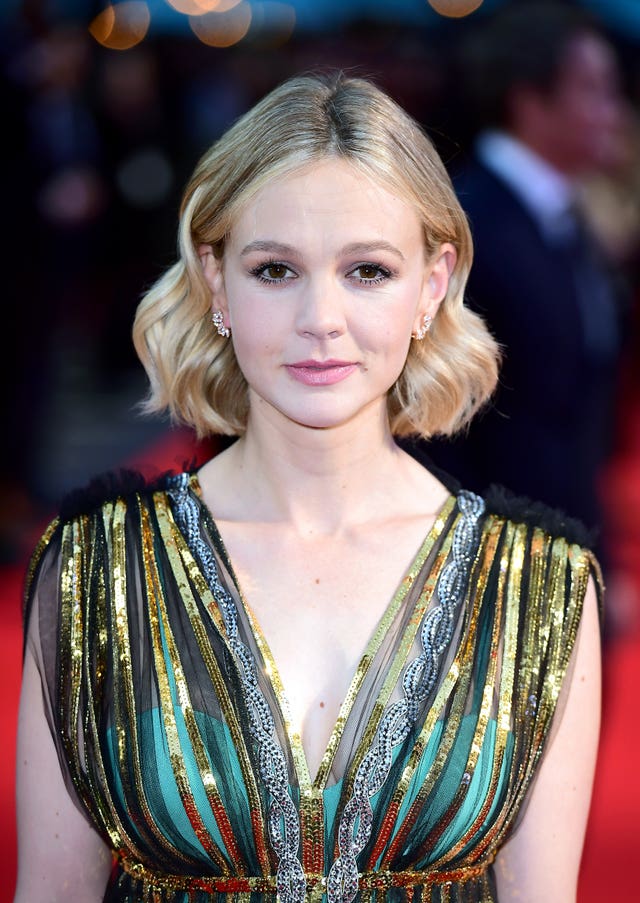
Mulligan added that recent events have made her see the film differently to when she was shooting it in rural New Orleans.
She said: “You think you’re making this little film, you think you’re making this lovely little character study of these people and these relationships in this very specific period of time and then you see it and it’s epic.
“It feels so much bigger than that and the themes suddenly sort of overwhelm you.
“I’m always single-minded when I’m making it and then when I see the end result I’m so often surprised by what is going around and that is a complete credit to Dee (Rees, the director) for making you feel like she was completely focused on the performances but then building this amazing film around you.”