6 captivating National Trust sites in the West Midlands where visitors can see the first signs of spring
Spring is closer than you think, and the West Midlands offers delightful National Trust sites to witness the season's first blooms.
Spring marks the end of a cold winter, and ushers in the start of new beginnings as well as much needed warmer weather.
If you feel as though you aren’t sure what to do next in the West Midlands and are keen to get out and about then Spring offers the perfect opportunity to do so.
Here are some reliable spots in Wolverhampton and the wider West Midlands county that the National Trust deem to be of special interest.
The National Trust is well-respected British conservation charity which exists primarily with the purpose to look after and preserve historic locations and green spaces for people to enjoy.
The Trust regards these places to be of special interest as they have influenced the way we live, work, and play in today’s world, despite many of these locations being centuries old.
Here are the six spots in Wolverhampton and the West Midlands that you should definitely check out this spring:
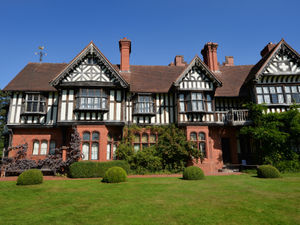
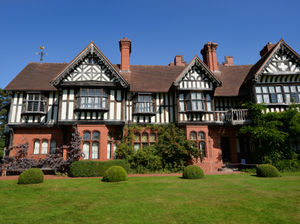
1. Wightwick Manor and Gardens, Wolverhampton
If you can appreciate great works of art then look forward to this house which holds a remarkable set of Pre-Raphaelite paintings by Dante Gabriel Rossetti, Edward Burne-Jones, Marie Spartali Stillman, Elizabeth Siddal as well as many more. Tomorrow (March, 6), the manor will open a new exhibition called 'The Rossettis: Siblings and Spouses'.
2. Clent Hills, Worcester
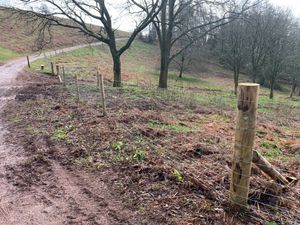
Clent Hills is a stunning countryside haven in the heart of the busy Midlands. Here can walk up to the Four Stones - which were built by Lord Lyttelton's workers in the 1800s.
3. Moseley Old Hall, Wolverhampton
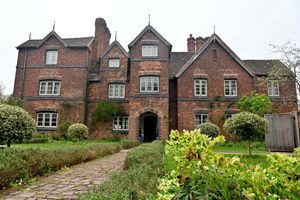
This property offers visitors a peek inside life inside the 17th century for the aristocratic. Nowadays, you can enjoy the popular tea-room, with homemade cakes and biscuits or a light lunch. Moseley Old Hall also puts on plenty of events for all to enjoy throughout the year. Just last year, Moseley Old Hall refurbished its previously overgrown Stablecroft Meadow. As part of this transformation, a new natural play area at the grounds opened to the public. This had included, new British trees being planted, 3,500 in total.
4. Birmingham Back to Backs
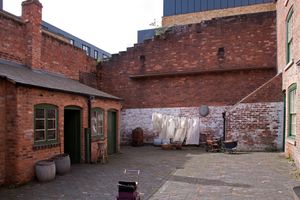
A National Trust heritage site, these are Birmingham's last remaining court of back-to-backs, which consists of homes constructed practically side by side around a shared courtyard.
5. The Roundhouse
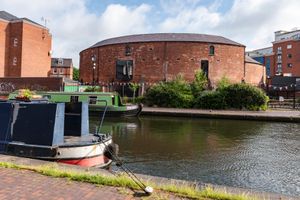
Perhaps this is best known as Birmingham's most recognisable structures. Originally used as stables and shops, it was constructed in 1874 by the Birmingham Corporation. The unusual horseshoe-shaped structure, which was designed by architect W.H. Ward.
6. Coventry Charterhouse
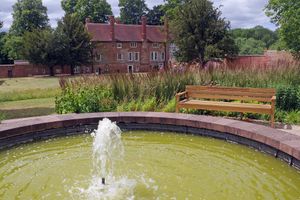
This is a medieval monastic house with acres of greenery. It is a Grade I listed building property that is also known as St. Anne's Priory. The property sits on the on the banks of the River Sherbourne in Coventry.