Why this ‘time warp’ West Midlands village is the first place I’m visiting on a sunny spring day
Known for its black-and-white timber-framed buildings, friendly pubs, and centuries-old landmarks
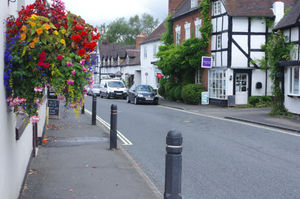
Tucked between Bromsgrove and Kidderminster lies one of Worcestershire’s most picturesque and historic villages — Chaddesley Corbett.
This quiet corner of the West Midlands, just 43 minutes from Wolverhampton, offers a perfect countryside escape for anyone seeking a slower pace and a taste of England’s heritage.
Chaddesley Corbett’s roots run deep. The village dates back to Saxon times and was recorded in the Domesday Book of 1086 as “Cedeslai,” meaning “the place of Chad.” Before the Norman Conquest, it was held by a woman named Eadgifu, and even then, it was described as a large agricultural settlement with two priests serving the community.
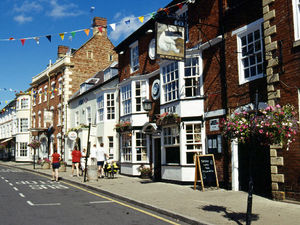
Today, the village retains much of its historic charm, with 17th and 18th-century cottages lining winding lanes and a skyline still dominated by its 12th-century parish church, St Cassian’s. This beautiful, Grade I listed, church in the heart of the village. It was built between the 11th and 14th Centuries.
Described by visitors as “stunning,” St Cassian’s Church has stood watch over Chaddesley Corbett for more than 800 years. This Grade I listed landmark features a beautiful Victorian-style interior, intricate stained-glass windows, and an original 12th-century font.
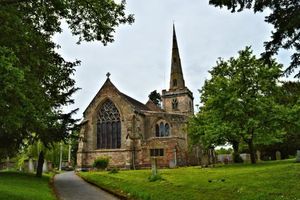
The church remains a focal point for the community — and a popular choice for weddings, especially with the nearby Brockencote Hall Hotel offering an elegant reception setting just a short stroll away.
Beyond its charming village centre, Chaddesley Corbett is surrounded by grand country houses and estates that whisper stories of England’s past. Notable buildings include Historic England's Bellington House, Winterfold House, Drayton House, and Cakebole House — each echoing centuries of local heritage through their distinctive Georgian and Gothic architecture.
The nearby Harvington Hall, with its moat and 13th-century origins, stands out as one of Worcestershire’s most captivating historic sites. Known for its Elizabethan priest hides and rare wall paintings, it offers visitors a glimpse into the era of Catholic persecution and religious devotion.