
I attended the premiere for a remarkable film that explores what life would be like if the Black Country was flooded and taken over by 'octopus overlords'
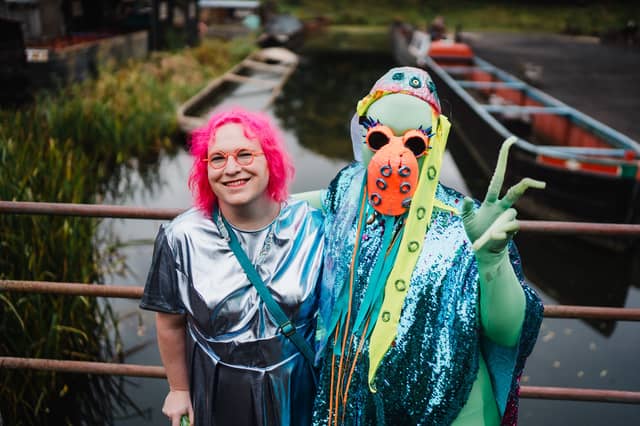

My first thought after being invited to the premiere of 'Black Country by the Sea' was that someone must have got their geography wrong.
As everyone knows, the West Midlands is a landlocked county, and journeys to the seaside usually take up a full day for families in the region. But what if the seaside was brought to us?
Launched by Black Country-based artist Alex Billingham, Black Country by the Sea is a new mockumentary film and video game styled after Telly Savalas' cult 1981 tourist-information film 'Telly Savalas Looks at Birmingham.'
The film imagines a future where the waters have risen and humans are no longer in charge. Instead, octopuses have built a “human reserve," their own quirky re-creation of our world, and are inviting visitors to come and watch us in our “natural habitat.”
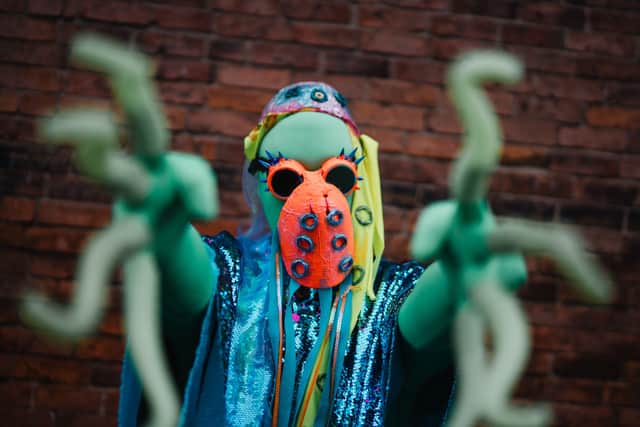
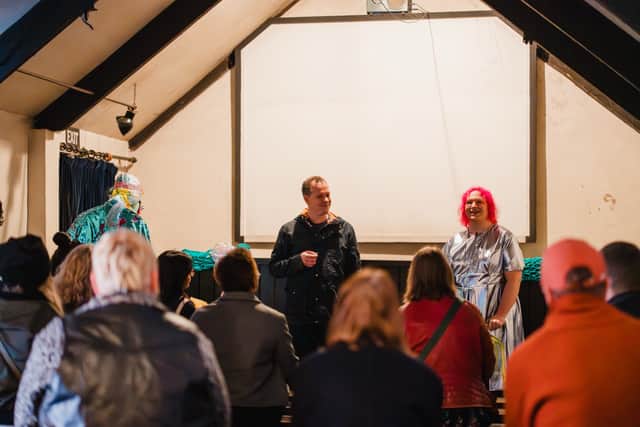
The premiere and questions and answers session was held at the iconic Black Country Museum on Wednesday, October 8, and celebrated the launch of the project that has been created as part of Black Country Digital Firsts, a partnership between Creative Black Country and The Space with funding from Arts Council England.
Crucially, the programme supports artists across the region to develop their digital practice, offering mentoring, skills-building, and commissioning opportunities through to the end of 2025.
Encouraging artists and actors in the West Midlands to create their own projects was a key goal of director Alex Billingham, who grew up in Rowley Regis.
The project was filmed across multiple Black Country locations and the North Atlantic Ocean, including shoots at the Black Country Living Museum.
Alongside the film, audiences can explore a specially created video game featuring digital versions of much-loved Black Country landmarks.
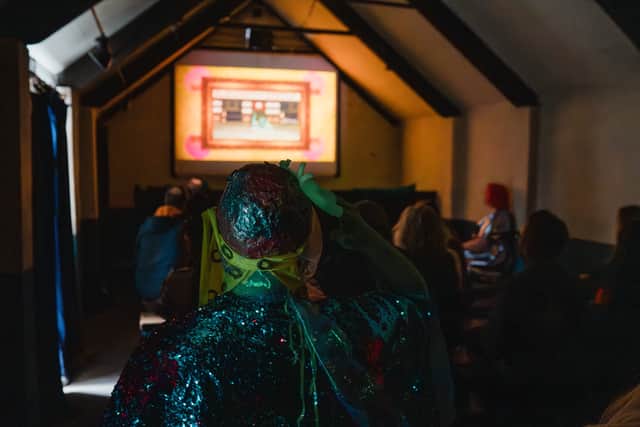
I was lucky enough to be one of the first to watch the film and play the video game, both of which display plenty of colour and surrealism. I suppose the tone for that was set upon arrival when I saw artists and cast members walking around in sci-fi outfits in a place where dress up usually involves vintage waistcoats, top hats, knee-length squirts and bonnets.
The film ticks all the classic Black Country stereotype boxes, with references to the Octopuses discovering the Crooked House, orange chips and Dudley Castle, as well as classic British traits like queueing and drinks in the pub.
Alex's mock American voiceover pays tribute to the Telly Savalas original, and only adds to the psychedelic feeling created by the visuals.
This unique film is a true example of artistic expression, and when discussing the project, Alex Billingham said: "After we’re gone what happens next? I wanted something that looked at climate change without blame.
"It’s a fun, brash and silly way of dealing with this while celebrating the ramshackled mash-up that is the Black Country.”
Parminder Dosanjh, Artistic Director at Creative Black Country, said: “Alex’s project captures the humour, creativity and resilience of the region while also taking a playful look at the very real issue of climate change.
"Black Country by the Sea shows how digital storytelling can bring our unique culture to life in bold new ways, and we’re thrilled to be sharing it with audiences online.”