Wolverhampton venues box office set to be moved out to call centre
The box office service which handles ticket sales at Wolverhampton's main concert venues is to be tendered out to a call centre under new plans.
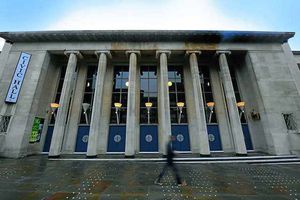
The new system - expected to be in place before the opening of the newly revamped civic halls - will generate more cash through commercial marketing, with customers being able to book parking, a meal and even a pint of beer for the interval along with their tickets.
The current system, which generates around £100,000 a year for the authority, is criticised as old-fashioned and limited in a council report. Under the new scheme, box office income would rise to between £110,000 to £140,000 based on conservative estimates.
Mark Blackstock, the council's head of visitor economy, said "What is now required is an offer that manages the complete customer journey - from the customer deciding to buy a ticket to arriving home after a wonderful show."
Ticket sales only represent around 30 per cent of the modern box office operation, with the remainder being made up of marketing and publicity. Larger operators often have in excess of one million active email addresses with a similar following on Facebook. Currently the Civic and Wulfrun Halls have a combined database of 92,000 email addresses and just 12,000 Facebook followers.
It is also believed that a more commercial box office, with faster sales, is a key factor in a promoter's decision to add more shows at certain venues on a tour.
It is expected that the new provider would operate from their call centre but would also provide outlets at the Civic Hall, Wulfrun Hall, The Slade Rooms and Wolverhampton Art Gallery.
It is intended for the new system to be in place by September.
Advance booking for car parking is forecast to add an extra £100,000 a year to council coffers, with the halls retaining almost £60,000 after covering the costs of providing enhanced parking.
With audiences expected to grow, it also expected that catering income will rise. Ticket holders will be able to book a meal at the art gallery as part of the process.
The current operation generates a marginally higher net income per ticket but is 12 years old and needs to be replaced, said Mr Blackstock. If a decision is made to keep the service in house, it would need around £200,000 spending on it. More expense would be incurred in taking on extra staff to cope with demand when the halls re-open, he added.
Senior offices have recommended approval of the new-style box office. A decision will be made at Tuesday's(19th) cabinet meeting.