Real-life striking similarities with Made In Dagenham show
While the inspiring tale of the Dagenham sewing machinists whose strike led to the Equal Pay Act reached the Wolverhampton stage this week, behind the scenes the story of a similar stand made by Black Country women has emerged.
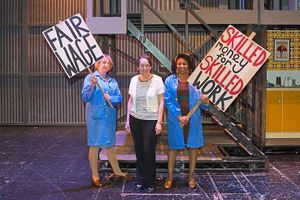
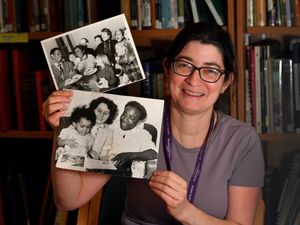
Kathryn Trigg stunned fellow members of the West Bromwich Operatic Society, currently performing the Made in Dagenham show at the Grand, by revealing she was a real-life Rita O'Brien of her day.
In 1975 she led a group of shorthand typists out on strike at Bronx Engineering in Lye – and, just like the Dagenham women led by O'Brien, they won their pay battle.
Kathryn, who was 21 at the time, took on the role of union rep for the typing pool when she joined Bronx but was far from being a raging lefty.
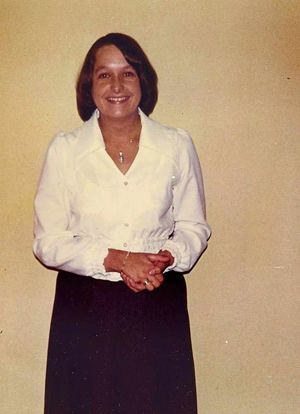
"I wasn't militant, in fact I was quite quiet and timid but no one else wanted to do the job, so I said I would," she said.
The year 1975 had been designated International Women's Year and Kathryn's union TASS, which represented technical, administrative and supervisory workers, suggested the shorthand typists push for equal pay.
"We deemed ourselves to be skilled workers because we'd gone to college for at least 12 months but we were paid a lot less than the men who were doing an equivalent job.
"We compared ourselves to a young lad in the drawing office who'd had one week's training and just operated the printing machine and kept it topped up with fluid, yet he was paid twice as much as we were.
"I represented the women, so we met with the management and when we told them we wanted equal pay, they said 'no way'."
So they went on strike.
About 20 women, representing around three-quarters of the typists, walked out. In a late show of solidarity, they were joined by some male union colleagues later on.
Negotiations were complicated by the fact there were no men doing exactly the same job which they could use as a comparison.
Kathryn says: "One of the commitments of the Equal Pay Act that came in as a result of the Dagenham girls' strike was equal pay for equal job value, so we thought this drawing office job was comparable – in fact we thought we were more highly-skilled."
They were not invited for talks with government top brass – the Dagenham women famously met with Barbara Castle, then employment secretary in Harold Wilson's government – but three of them, including Kathryn, went to London to be interviewed by Dudley-born presenter Sue Lawley on national TV about their struggle.
In the end about a dozen more joined them on the picket line and the strike was brought to an end with a new pay structure agreed. The strike had lasted a month.
"I was still living at home at the time and there was no pressure from my parents but it was all very traumatic," says Kathryn. "But when I look back, I feel very proud of what we did. I'd only been at the firm six months – the bosses must have thought 'blimey'."
The 2010 film of the Dagenham strike brought back a lot of memories and when she heard the West Bromwich Operatic Society, the company she had been a member of for more than 40 years was going to stage the show – it finishes tomorrow night – she shared her story. "They were gobsmacked," says the grandmother, who is now an export administrator and quality manager for Offspring International in Dudley.
She gave up performing in 2009 but carries out a variety of backstage roles and is currently ticket secretary.
"The Dagenham girls started it but locally we did our bit", " says Kathryn. "Our pay virtually doubled. In fact we leapfrogged the drawing office man's pay. What we did led the way for others."