TV review: Free Speech - The High Cost of Cheap Clothes
Who made my clothes? Not really a question I ask myself when I'm queuing at the till to buy a new skirt or top, writes Charlotte Lilley.
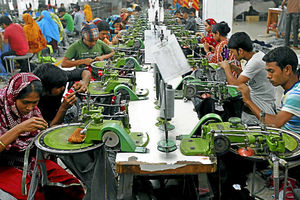
But, after watching Free Speech: The High Cost of Cheap Clothes on BBC3 last night, I will probably think twice before handing over cash for what appears to be a bargain buy.
So-called funny man Rick Edwards and newsreader Tina Daheley were joined by presenter Zoe Salmon, politicians Alastair Ross and Colum Eastwood and National Union of Students president Adrianne Peltz for the documentary, which was broadcast live from Londonderry in Ireland.
The programme discussed the high price consumers like myself pay for cheap clothes in light of the factory in Dhaka which collapsed killing more than 700 people.
The eight-storey building, which housed several garment factories including Primark, was razed to the ground after a number of cracks had appeared in its foundations.
Opinion was split during the programme as while some audience members said they would be willing to pay more for good quality clothes from an ethical source, myself included, others said they would not because of increased living costs and low wages.
Now I love a bargain – who doesn't? But not at the expense of others and I was horrified to learn during last night's discussion that the average factory worker in Bangladesh earns a pitiful $2 a day, which is far more than most people earn in the country.
Yet companies such as Primark make billions of pounds a year in sales from their clothes, so why can't they pay their workers a better wage and improve building conditions?
It upsets me to think I paid a lot of money for my beloved pink coat yet the person who made it didn't even receive a fraction of what it cost.
Just as I was getting in to the programme and listening to the views of others, it quickly changed tack and a new topic was up for discussion – same sex marriage, which inevitably caused a stir.
Viewers were able to express their views on Twitter and responses were coming in thick and fast after Alastair Ross said he didn't agree with the legislation currently being discussed in Parliament, while Zoe Salmon said she agreed with it 100 per cent despite being a raised as a devout Christian.
But again, the programme did not stay on the topic for long and before I knew it, presenter Rick Edwards was on to the next topic - young people relying on their parents.
Maybe the producers should have called the programme Fast Speech rather than Free Speech.
Next we were on to zero-hours contracts and the cameraman obviously couldn't keep up either as he incessantly zoomed the camera around the studio even bashing presenter Rick Edwards on the head with the microphone at one point.
It was definitely not Question Time, especially after Rick lost his economic statistics at one point.
The show ended with a meagre two minutes of panellists discussing Londonderry as the UK's first city of culture before a shameless advertising plug for Radio 1.
All in all, it was a good idea but the format didn't work. Less topics, a new cameraman and a change in the title would fix the problem.