VIDEO: Great War secrets given up by Cannock Chase
With its sweeping hills, towering trees and flowing streams, Cannock Chase is rightly regarded as one of the finest locations in the Midlands – but many might not know the important role it played during the First World War.
Thousands of soldiers were stationed on the Chase during the Great War, which acted as a huge training base.
A group of volunteers have made it their mission to tell this story.
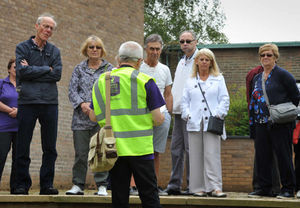
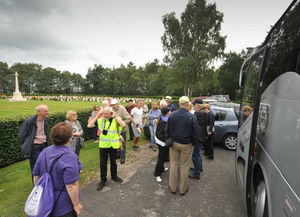
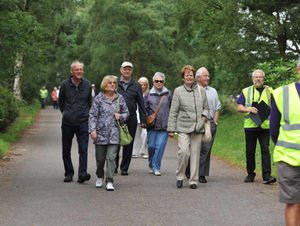
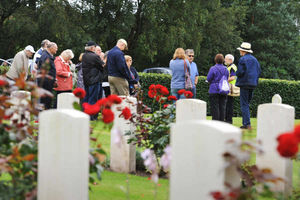
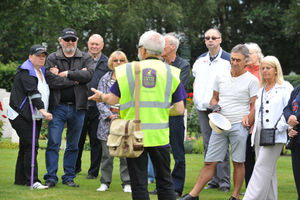
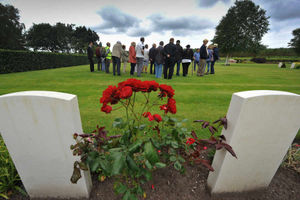
Thanks to a heritage lottery grant, the Cannock Chase Area of Outstanding Natural Beauty Partnership has been able to arrange bus tours, stopping along the route at points of historical interest.
During the First World War, two training camps were set up on the Chase, at Brocton and Rugeley. It was seen as the ideal location due to its isolation, vastness and it was within relatively easy reach for most people.
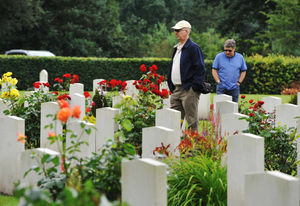
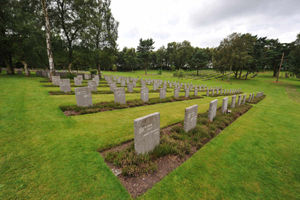
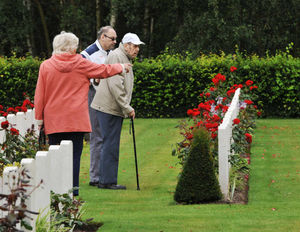
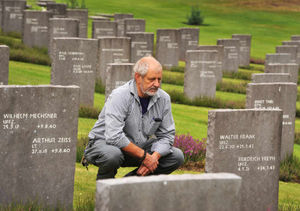
The tour takes in both the British and German war cemeteries, the two camps and the Great War Hut, where the men who trained on the Chase lived.
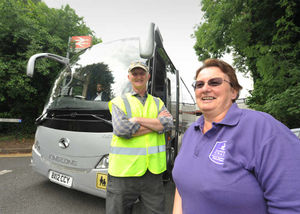
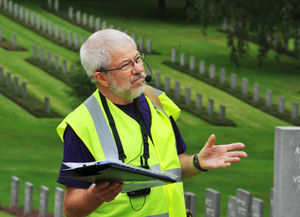
Anne Walker, from the group, said: "We have been working with the Friends of Cannock Chase and helping them to get the Heritage Lottery funding.
"A lot of people know the Chase and a lot of people know about the connections with the First World War but they don't necessarily know how to pinpoint those areas.
"We find it much better to give them guided tours rather than to say 'off you go, go and find things', because there are tripping hazards, lumps of coal and practice trenches. There are mini fissures all over the Chase."
Cannock Chase had actually been used for military training for more than 40 years prior to the outbreak of the war. Then in 1914, the camps were set up after the Earl of Lichfield, who owned the estate, agreed to loan the land to the War Office.
But the number of men at the camps would soon be swelled thanks to Lord Kitchener's famous call to arms.
Mrs Walker said: "At the beginning of the First World War the reservist force wasn't very big. The German Army had much greater reserves.
"Suddenly, after Kitchener's 'Your Country Needs You' call, a million men signed up and there were no plans to train them.
"Cannock Chase was important as it was central and had good rail and road links, even in those days." Rugeley Camp was the first to be completed and Brocton camp soon followed, with each able to train 20,000. It's thought around half a million passed through during the course of the conflict. Mrs Walker said: "There are stories about the camps. One person told us how their father, who was from Wolverhampton, lied about his age when he was 16 to get into Brocton Camp. He survived the war. A lot of people would lie about their age as they were excited about war and felt they wanted to do their duty." As for the training itself, Mrs Walker said reports showed it was 'second to none'.
She said: "They learned from battles fought previously and came back and put that knowledge into training. The first sniper school was on Cannock Chase."
Philip Howard, 72, from Burntwood, was lucky enough to get a seat on the bus.
He said: "I'm interested in both the First and Second World Wars and I thought it would be interesting to see. I've lived in the area for 40 years and have never seen anything like it."