COMMENT: When is the right time to choose to die?
How old is too old? Retired nurse Gill Pharaoh made the decision to end her life aged 75 because she couldn't bear getting old, writes Nigel Hastilow.
Yet Cilla Black was 72 and most people think she died young. Meanwhile Clint Eastwood doesn't look bad for 85 and at 89 the Queen is about to become our longest-reigning Monarch.
So should we really support the latest Parliamentary bid, led by MP Rob Marris, to make assisted dying legal?
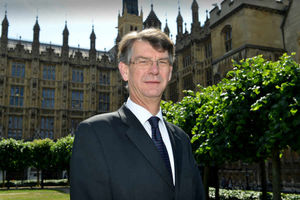
Old age affects people differently. Some very elderly people are still in possession of all their faculties and physically able. Everyone deteriorates but some decline faster than others, in mind or body or both.
Few of us would want to go on living if we were utterly incapable of looking after ourselves.
I think most of us would prefer assisted dying to the half-life of total dependency.
But by that stage we won't be in a position to ask the doctors to turn off our life-support machines because we will have lost the power to reason or speak for ourselves.
So, for those people desperately wanting a chance to die with a few remaining shreds of dignity intact, the option of suicide disappears just when they need it most.
For others, though, the idea of assisted dying has some attraction. If you face a long, drawn-out decline involving pain and suffering, why not take an easier way out?
And if you are determined to bring your life to an end, why should you travel all the way to Switzerland to get yourself killed when you should be able to do it at home?
That's one of the reasons why we should allow assisted dying in this country.
The medical profession is under an obligation to preserve life even when it's quite obvious to the patient their life is not worth prolonging.
We don't want doctors administering lethal injections whenever they please but surely we should have the right to bring our lives to a close.
What about cases where you're not all that old and you certainly aren't unwell? Some people think it's fair enough that Gill Pharaoh put an end to her life at the Dignitas clinic in Switzerland.
She was 75, fit in mind and body, yet she wrote: "I watched my own mother become demented. Had there been a pill available at the time, I would gladly have put her out of her misery. I do not intend to follow that path myself."
What, though, would have given her the right to do away with her mother?
When she was young, Miss Pharaoh apparently thought 30 was quite old enough. Then 40. Then 50. It wasn't until she reached 75 that she actually acted. But even if you were to set a limit on life at 110, people aged 109 might not be too happy.
The real issue is not duration but quality of life. We're all living longer but that's not always a good thing.
While it's impossible to set a limit on a lifespan, it is possible to give us the right to make a judgment about how much of a deterioration we are willing to endure.
For some, the sanctity of life is so important they will endure whatever suffering their declining years have in store for them.
Others, though, see it as something they would quite happily do without. For them, assisted suicide offers an escape.
There have been several failed attempts to legalise assisted suicide in this country without success. Next month Rob Marris, Labour MP for Wolverhampton South West, makes another attempt with a Private Member's Bill which would help people with a terminal illness to end their lives.
The Marris plan requires an application to court where a judge has the final say and it would only be possible for people of sound mind with less than six months to live.
So it is by no means a 'suicide charter'. I suspect very few people would actually take advantage of it. It doesn't go very far but it might give the terminally ill at least a little control over their own fates.
It certainly wouldn't help someone like Gill Pharaoh who was simply afraid of growing old.
And it won't help the many languishing in homes and hospitals up and down the country with no ability to care, or even think, for themselves, no life to speak of and certainly no dignity.
This is what people fear most – the long, slow decline into what Shakespeare called 'second childishness and mere oblivion'.
There isn't enough money to pay for the pensions, medical treatment and social care of the baby-boomers reaching retirement age.
They will be a financial and physical burden on their children and grand-children.
They – by which I mean we – must be given a chance to control their own destiny.
Some people will oppose Mr Marris's legislation by saying it's just the thin end of the wedge. I very much hope they are right.