
Tates lean on ‘antiquated views of consent’ in extradition fight, say officials
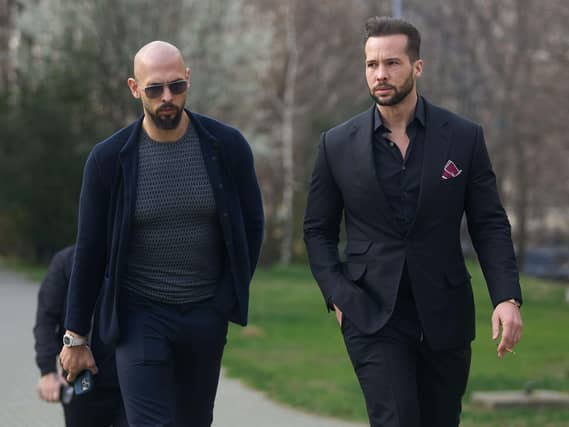

The pair have ‘failed to overcome the strong evidence’ submitted by the UK in support of their removal, say stateside prosecutors.
Arguments made by influencers Andrew and Tristan Tate against extradition to the UK to face rape and sex trafficking charges rely on “antiquated views of consent”, according to the US authorities.
Prosecutors stateside also dismissed objections by the brothers that their accusers’ names had not been disclosed, pointing out evidence summaries, including anonymised witness accounts were not unusual in removal cases.
They said the women’s identities had been withheld “to protect the complainants’ privacy and safety at this stage of proceedings”, but would be made known in line with UK law if the pair returned to face prosecution, either voluntarily or via extradition.
The remarks by officials were made in response to court submissions lodged by the Tates’ lawyers in Miami, opposing their removal.
Their legal team argued the failure to identify the alleged victims meant their clients’ “hands are tied” in defending themselves.
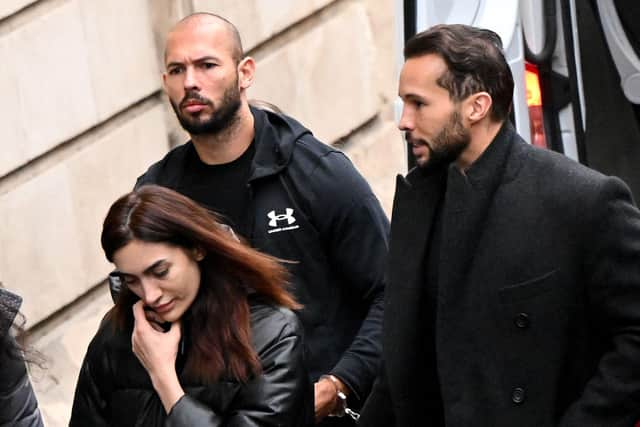
Andrew Tate’s extradition hearing is set for January 14 and Tristan’s on January 15 at the US District Court for the Southern District of Florida in Miami.
In the meantime the pair are seeking to challenge their continued detention during the extradition process.
The former professional kickboxers, who hold dual US and British citizenship, have been held in custody since their arrest in July.
They were detained after further charges were brought against them by UK prosecutors.
Replying to submissions by the Tates, US prosecutors said in court filings that neither men had “failed to overcome the strong evidence submitted by the United Kingdom in support of certification of extradition”.
In separate documents for both brothers, they stated: “In his response, he seeks to avoid extradition by making procedural objections unsupported by the statute or the United States’ extradition treaty with the UK and issuing demands for discovery unavailable in extradition proceedings.
“His arguments also rest on misunderstandings of the UK charges, a selective reading of the complainants’ allegations, antiquated views of consent, and factual and credibility arguments reserved for trial in the UK.”
They said the pair had repeatedly characterised the allegations against them as “anonymous accusations” and argued “that due process bars certification unless the complainants’ identities are disclosed”.
The filings said: “The premise is false, and the conclusion does not follow.
“Unsworn summaries of evidence, including anonymised victim and witness statements by foreign law enforcement or prosecutors, are typical and accepted forms of evidence to establish probable cause in extradition proceedings.”
The officials also point out that “the complainants are neither anonymous to the requesting state nor unknown to law enforcement”.
The documents said: “Each has been identified to UK authorities, provided statements, participated in interviews, and, in many instances, furnished corroborating evidence, such as photographs, travel records, banking records, electronic communications, and witness information.
“This is not a case in which UK authorities are relying on anonymous tips or have otherwise failed to establish that the unnamed complainants are sufficiently reliable.”
The identities of the women had been withheld from the pair “to protect the complainants’ privacy and safety at this stage of proceedings”, but if the men were to return to the UK to stand trial “the complainants’ identities will be disclosed in accordance with UK law”.
The documents also stated a “recurring flaw” in the argument of both men is their “erroneous assumption that evidence of consent to one act establishes irrevocable consent to all acts occurring within the same encounter or future encounters. It does not”.
The filing responding to Andrew Tate’s submission said: “The fact that a complainant voluntarily entered a relationship, agreed to meet, rented a hotel room, or consented to some sexual activity does not preclude her from declining consent to other conduct that occurred during the same or separate encounters.
“To hold otherwise would effectively convert initial consent into a blanket authorisation for any subsequent sexual or violent act, regardless of its nature or degree, a proposition unsupported by law or logic.”
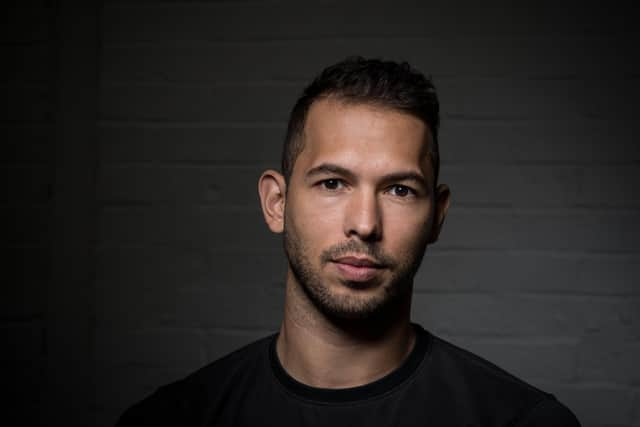
A similar point was made in the document replying to Tristan Tate, which stated: “The fact that a complainant voluntarily entered or stayed in a relationship following abusive conduct, or consented to some sexual activity throughout that relationship, does not preclude her from declining consent to other conduct, whether violent or sexual, that occurred during said relationship.”
Andrew Tate, 39, faces a series of charges in the UK, including 10 counts of rape, three counts of arranging or facilitating trafficking for sexual exploitation and three counts of assault occasioning actual bodily harm.
He is also accused of making and distributing indecent images of a child and possessing extreme pornography.
Charges against Tristan Tate, 38, include five counts of rape, six counts of assault occasioning actual bodily harm, three counts of sex trafficking and a sexual assault.
They relate to alleged offences between July 2010 and August 2017.
Both men deny any wrongdoing.