
Pupils will learn how to ‘disagree agreeably’ in curriculum overhaul


Officials said the reforms would be based on strengthened reading and communication skills.
Schoolchildren will be taught to spot misinformation and “disagree agreeably” as part of a major overhaul of the national curriculum.
The changes, due to be formally announced on Monday, will include compulsory citizenship lessons introduced from primary school, along with digital and media literacy to help children spot bias and misleading content.
Pupils will also be taught more financial literacy, while an updated computing GCSE will include lessons on data and AI.
Education Secretary Lucy Powell said the curriculum had failed to keep pace with changes in the wider world since it was last reformed.

She said: “We are modernising the curriculum, to equip young people for their fast-changing future, not some bygone past.
“Every child will build strong foundations in maths, reading, writing and speaking enabling them to access the full breadth of the curriculum, develop their talents, expand their horizons and become resilient, confident and adaptable life-long learners.”
Officials said the reforms would be based on strengthened reading and communication skills, including a new “oracy” assessment at the end of primary school to test children’s speaking and listening skills.
Geoff Barton, chairman of the Oracy Education Commission said the changes would better prepare children to “understand ideas, to be able to explain, analyse and justify their views, to know how to disagree agreeably, and, in due course, to be able to take their place as active, engaged and informed citizens”.
On Saturday, the Government announced the new curriculum would also require schools to set aside time for pupils to read for pleasure in an effort to combat a decline in daily reading levels amid a battle for attention with screens.
It will be mandatory in primary schools, while secondary schools will have more flexibility.
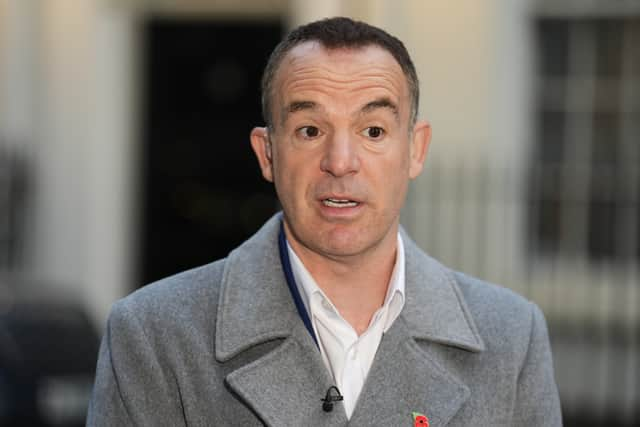
Proposals for compulsory financial literacy lessons were welcomed by consumer rights campaigner Martin Lewis, who said it was “a chance to stop young people being sent out into a world of scams, dodgy deals and debt without the tools to cope”.
Shadow education secretary Laura Trott said the curriculum overhaul was “a shopping list of things that sound nice but erodes the core knowledge that has put English pupils in the world’s top ten for reading, maths and science”.
She added: “Oracy has been tried and tested before and it failed.
“Core subjects will lose out as more citizenship at primary will become a dumping ground for nonsense.
“We need education policy that follows what has worked, not policy based on vibes.”
The Association of School and College leaders welcomed the focus on citizenship education, but said “simply adding in new curriculum requirements” was unlikely to achieve the Government’s objectives.
General secretary Pepe Di’Iasio said: “Many schools do not have trained citizenship teachers, and timetables are overcrowded with existing expectations.
The Government will need to ensure that schools have the support and time required to be able to deliver these programmes.”
Mr Di’lasio also questioned the introduction of an oracy assessment, saying school leaders need to “understand what value it will bring, how it will be meaningfully assessed, and what additional pressures it will place on children and school”.
Liberal Democrat education spokeswoman Munira Wilson said: “Yet again, this Government’s headlines sound promising, while the reality is very different: Ministers are now demanding sweeping changes to our schools without the staff or funding to back them up.
“Alongside existing Send reforms, unfunded pay rises and underfunded breakfast clubs, overstretched teachers are being handed an even longer to-do list without the training, funding or breathing space to deliver it.”