
Parole Board bid to free killer William Dunlop from jail called into question


William Dunlop strangled Julie Hogg in Billingham, Co Durham, and hid her mutilated body behind a bath panel in 1989.
Justice Secretary Alex Norris has asked officials “to examine whether there are grounds to reconsider” the Parole Board decision to free murderer William Dunlop from jail.
Now 63, Dunlop strangled Julie Hogg in Billingham, Co Durham, and hid her mutilated body behind a bath panel in 1989.
She was discovered by her mother, Ann Ming, more than two months later.
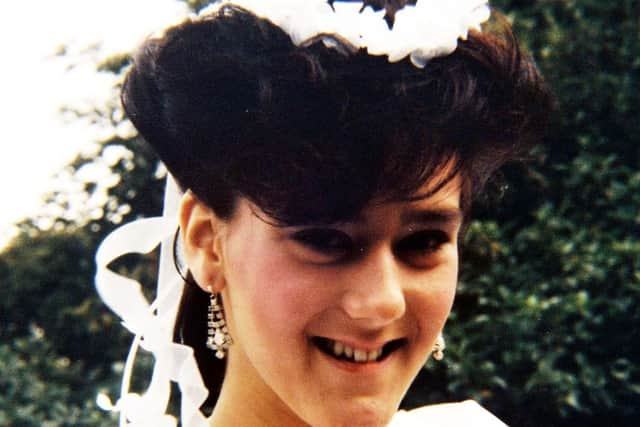
The 22-year-old’s murder was “accompanied by the brutal sexual degradation of (her) body”, the Old Bailey judge said in 2006 as he sentenced Dunlop to life imprisonment with a minimum term of 17 years.
The case made legal history: Dunlop was the first person to be retried after a change to the 800-year-old double jeopardy law.
On Thursday, the Parole Board found he had been rehabilitated and recommended he be released after his fourth application to review his case.
Miss Hogg’s son Kevin, who was three when his mother was killed, told the Press Association: “To be honest I was expecting it, so it doesn’t come as a surprise.”
The 40-year-old called the Parole Board “not fit for purpose” and said: “You know them victim personal statements? They mean absolutely nothing – nothing whatsoever and that’s been proven time and time again.”
A panel has recommended Dunlop’s transfer to open prison multiple times but three justice secretaries have intervened, a public parole hearing was told last month.
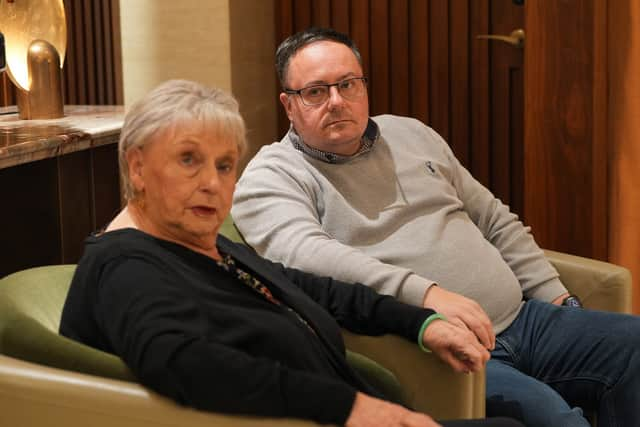
A Ministry of Justice spokesman said: “Julie Hogg’s murder was a horrific crime and our thoughts remain with her friends and family.
“The Lord Chancellor’s first priority is keeping the public safe, which is why he has instructed officials to examine whether there are grounds to reconsider this decision.
“Offenders released from life sentences are subject to strict supervision and licence conditions for the rest of their lives.
“They will be recalled to custody immediately if they break the rules.”
The Justice Secretary has the power to intervene in Parole Board decisions in exceptional circumstances under the reconsideration mechanism if the ruling is deemed legally irrational or there is evidence correct process was not followed.
Ministers can also order the Parole Board to refer some decisions to the High Court for a second judicial check when the release could undermine public confidence in the system.
Previous parole reviews found “a serious possibility” that allegations Dunlop had sexual activity with children between 1985 and 1992 “may be true”.
But members “gave no weight” to claims linking him to two other murders, in 1989 and 1994 or 1995.
Dunlop, who has been assessed to have “high levels of psychopathic traits”, has also accepted beating a partner with a pickaxe handle “until her face was almost unrecognisable”, as he abused her between 1994 and 1996.
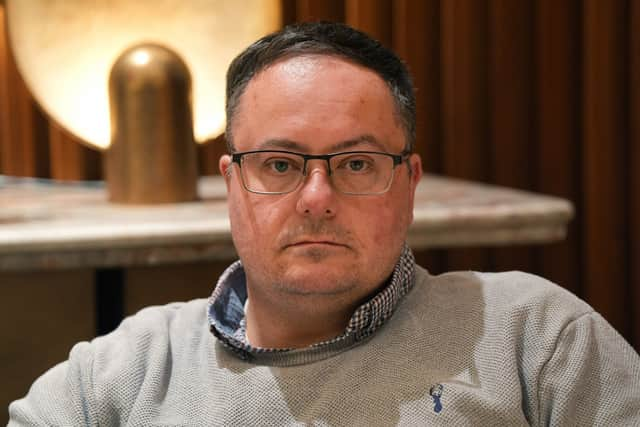
Describing the Parole Board as an “absolute waste of space”, Mr Hogg told PA: “When will they actually listen and take note of what the ministers said? Take note of what victims and the victims’ families are saying?
“And, most importantly out of it all, they need to be held to account.”
On Dunlop, he said: “I’m not scared. I don’t fear him whatsoever because if he wants to, you know, seek some type of vengeance or what have you, then my attitude will be: bring it on because there will be one loser and it will be him because he will be sent straight back to prison.”

Mr Hogg previously recounted his childhood trauma of “hearing screaming and shouting in the home with the pungent smell of my mother’s decomposing body” as his grandmother made the discovery.
He said: “I can say categorically that time isn’t the great healer it’s purported to be.
“As the years pass, the pain of losing my mother to this murder remains acute.”
In its decision, the parole panel said it “fully understands” and is “mindful” of the feelings of the Miss Hogg’s family and “has great sympathy with their views.”
“However, if a prisoner presents as a person who, on the totality of the evidence available to the panel, meets the statutory test for release, then the panel is obliged by law to conclude that his release must be directed,” the ruling said.
Parole Board panels read hundreds of pages of evidence before the hearings and reviews are “always undertaken thoroughly and with extreme care”, the body said, adding: “Protecting the public is our number one priority.”
Known as Billy, Dunlop was tried twice for the murder but both juries failed to reach a verdict.
Three years later, while in jail for another crime, he confessed and admitted lying in court, boasting there was nothing anyone could do about it because of the double jeopardy rule in place at the time.
Miss Hogg’s family campaigned for 15 years to get the law changed and he became the first person to be tried under the new rules.
He admitted murder and was jailed for life with a minimum term of 17 years, having now been detained for around 28 years.