
BBC boss: Corporation must ‘look at who’s not in the room’ to boost diversity
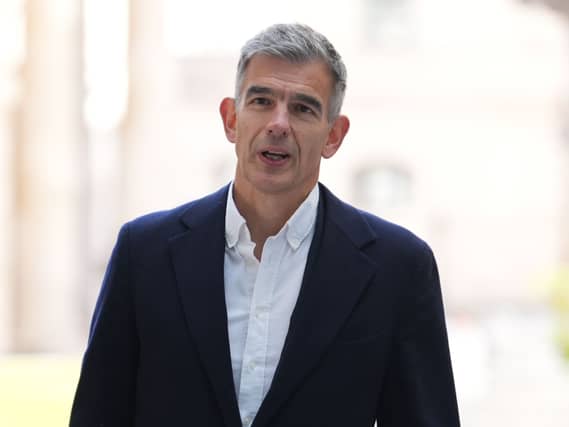

The BBC and the Government are in negotiations on the next royal charter.
BBC director-general Matt Brittin has said the corporation’s leaders must pay greater attention to who is missing from positions of influence at the broadcaster.
Mr Brittin addressed diversity and representation behind the scenes and in senior roles, saying it is part of “our duty” to implement.
Speaking to Sir Lenny Henry on the Representology podcast, he said: “You’re looking for who’s in the room and you’re looking for who’s not in the room.
“And I think that’s something I want to ensure that the team that leads the BBC, whatever backgrounds they come from, are paying more attention to, because it’s part of our duty.”
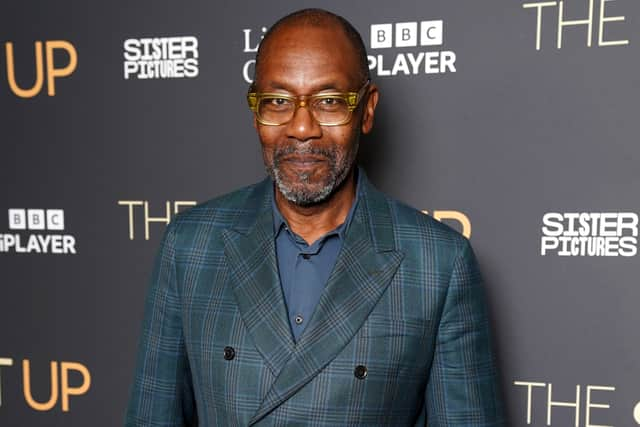
His comments came as the BBC and the Government entered negotiations on the next royal charter, which sets the corporation’s mission, public purposes, governance and responsibilities. The current charter expires on December 31 next year.
The Sir Lenny Henry Centre for Media Diversity at Birmingham City University is calling for six changes to make the next charter a stronger instrument of accountability.
It says the current charter requires the BBC to publish diversity information but does not adequately establish whether its diversity duties are being met.
Article 14 of the current charter sets out five diversity duties. The centre said two – authentic portrayal and particular regard for underrepresented communities – have no measurable criteria.
Mr Brittin said a BBC review completed shortly before he joined had shown “huge progress” in on-screen representation.
However, he acknowledged continuing challenges, particularly around working-class backgrounds, representation behind the scenes and access to leadership positions.
Asked why people from diverse backgrounds enter the industry but struggle to progress, Mr Brittin said: “It can depend on patronage, it can depend on who you know, it can depend on luck and chance and so on, and I think sometimes that can bias against people from underrepresented groups.”
Reflecting on his own responsibility, Brittin said: “I’m a 58-year-old white man who was lucky enough to go to university, and you’ve got to decide: I’m going to be part of trying to address this, or not.”
Sir Lenny highlighted additional barriers faced by people of colour when trying to get their ideas heard in large organisations.
He said: “If you’re black or brown or whatever, you go into these big organisations and the first thing you have to do is translate whatever you’re talking about, so that the person on the other end of the desk understands what you’re pitching.”
Sir Lenny asked how the BBC could be “for everyone, including people who don’t feel it’s yet theirs”.
Mr Brittin acknowledged that some audiences had become disconnected from the Corporation.
He said: “In some cases, those audiences have kind of gone missing for us, so we need to go where they are and engage them with content that is made for them.
“And that’s part of the charter. That’s part of the requirement on us.”
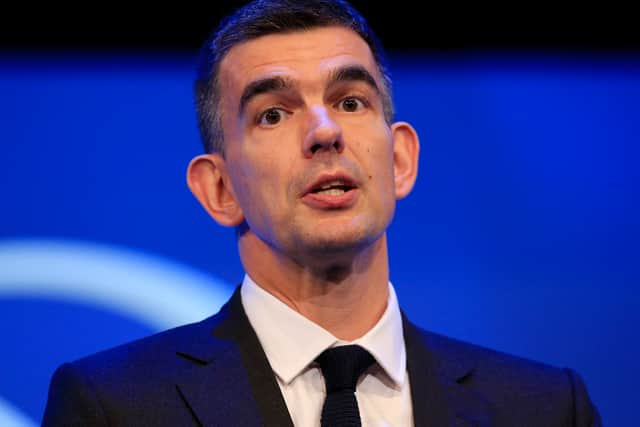
According to the BBC’s annual report and accounts for 2025/26, it reached 85% of white audiences each week, compared with 61% of minority ethnic audiences.
The gap widened from 22 to 24 percentage points in a year. The proportion of minority ethnic audiences who say the BBC reflects people like them also fell, from 48% to 39%.
For the Lenny Henry centre, these figures reinforce the need for a charter that measures outcomes, not simply the publication of diversity data.
Mr Brittin confirmed that discussions with the Government on the next charter had reached “the really intense stage”.
Some of the changes the centre calls for at the next charter include that every diversity duty should have clear criteria for assessing whether it is being met.
It also says the next charter should assess representation in commissioning and editorial decision-making, as well as workforce progression and retention, not just overall headcounts.
The centre would like to see the BBC appoint a “board-level lead for diversity” and says weekly reach by ethnicity should count towards assessing the BBC’s performance against its fourth public purpose, with figures published by nation and region.