
Johnny Phillips: The wolf pack is making a difference off the pitch
Sustainability was the message of Green Football Weekend when the world’s largest climate-football campaign mobilised fans, clubs, leagues and partners to take action between 2-5 February.
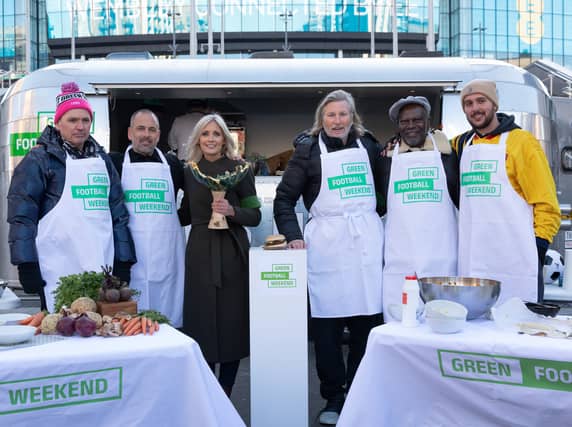

Wolves shone a light on their key commitments to environmental sustainability through One Pack One Planet, a project which Wolves Foundation have become heavily involved in.
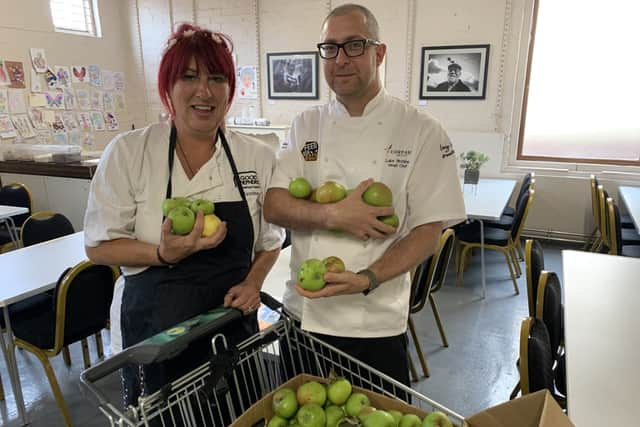
At the recent home fixture with Manchester United a range of produce grown at a local allotment by participants on the Foundation’s Head 4 Health project, under the guidance of Wolves head chef Luke Hitchins and the club’s catering partners Levy, was part of the food served up to customers in hospitality.
The allotment in Heath Town has become a popular part of Head 4 Health, offering adults the chance to get together and grow their own food as part of the initiative, which aims to improve mental health via workshops and physical activity.
“The main aim of Head 4 Health is to help people with their mental health but, with the allotment, they are also involved in a project which has an end result,” said Hitchins.
“We have seen participants, who might be a bit shy and quiet when they first come along, then really coming out of their shell and, within a few weeks, they are talking about their experiences and the issues they have faced.
“Coming to the allotment is a happy part of their day, and growing the fruit and vegetables gives them something really positive to aim for.
“We call it ‘full circle’ because they have come along to Head 4 Health with the Foundation but are now contributing back with the aim of getting this food into the stadium to be enjoyed by Wolves fans.
“And what we’ve also been able to do is plan our menus so we can use every single piece of the fruit and vegetables, which helps reduce wastage.”
The Head 4 Health allotment project, which contributed some potatoes for the hospitality menu for the home game with Brighton at the start of the season, is one of several ways in which the Foundation is aiming to contribute to One Pack One Planet.
Health and wellbeing manager Rachel Smith is also Sustainability Lead for the Foundation, including heading up a group of staff who look at how the charity can be more sustainable both within their office space and also across different projects and initiatives.
The Foundation’s Feed Our Pack campaign incorporated redistributing food and other items thanks to a link-up with HIS Church, whilst students from St Edmund’s Catholic Academy on the Premier League Inspires programme earned national recognition for an innovative project focused on recycling.
As part of their response to the challenge of how to protect the planet, the students came up with the concept of taking plastic bottles and cups used on a matchday to turn them into training tops.
“It is all about looking at the issue of sustainability and seeing how best we can embed it across all the work that we do,” said Smith. “We have already seen some substantial progress across many different areas of the Foundation’s delivery, and the success of the allotment project has shown just how different strands of our work can come together to such positive effect.”
On a local level, initiatives like this and others across all 92 league clubs make a difference and give the communities they serve a chance to engage in Green issues which, for the younger generation, will have a profound effect on their futures.
The next step for the Premier League must be to address the issue of travel and accommodation arrangements among its members.
Football has become a multi-
billion pound industry and in the pursuit of excellence many top flight clubs continue to fly short distances to matches when alternatives exist.
Most notoriously, Nottingham Forest took a flight from East Midlands airport to Blackpool for an FA Cup match in January last year.
Most Premier League clubs are guilty of short haul flying, with those in European competition having little choice but to rack up a bigger carbon footprint as they travel across the continent.
The issues aren’t helped by an archaic UK transport network that has been left to rot under a government which has enabled private companies to pillage the rail industry, in particular.
Delays and cancellations have become the norm as operators line their pockets with millions of pounds of subsidies.
In truth, it will take huge collaboration across all businesses for greener alternatives to become the norm in football.
Only when government and industry work together in the name of sustainability can a tangible difference be made. In the mean time, it is left to more local projects such as Head 4 Health to shine a light on what can be achieved.
Comment Guidelines
Iconic Media encourages reader discussion on our stories. User feedback, insights and back-and-forth exchanges add a rich layer of context to reporting. Please review our Community Guidelines before commenting.