
Johnny Phillips: Eight years on and Aston Villa are the club going places
For this, my final Express & Star column, I have decided to look back on the changing times at Albion, Villa and Wolves since I first began writing a Saturday football feature eight years ago.

It has been a colourful and fascinating intervening period for all three clubs.
Digging back through the archives to August 2016, when penning my first column, the subject was ownership and expectation. What did Albion, Villa and Wolves fans expect from their new custodians?
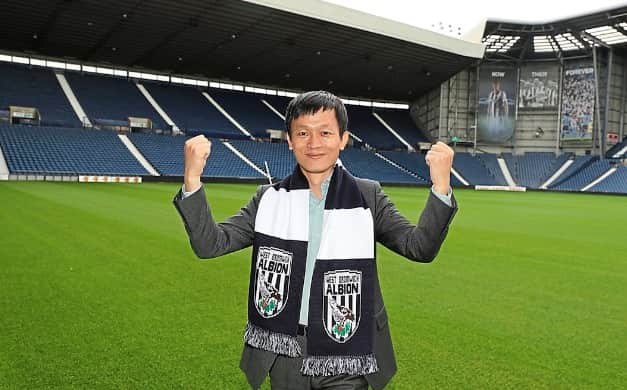
As the 2016/17 season got under way, Guochuan Lai’s Shanghai Sports Development Ltd bought Albion from Jeremy Peace for a figure in the region of £180million.
In the first season of Lai’s shareholding, the Baggies finished 10th in the Premier League. Lai endeared himself to fans in those early days of his ownership, with a free drink and scarf to matchday supporters. All appeared rosy in the garden.
Down the road at Villa, the Randy Lerner tenure had ended when Tony Xia’s Recon Group purchased the club. The valuation was much less than half what Lai paid for Albion, at £75m, but there were mitigating circumstances: Villa were in the Championship.
It was a testing first season of ownership, with Roberto Di Matteo dismissed in the autumn before Steve Bruce eventually guided Villa to a lowly 13th-place finish.
Wolves, too, had moved into Chinese ownership, with Fosun International purchasing the club from Steve Morgan in July for approximately £45m.
Unlike Villa (who had been in the top division since 1988 before relegation) and Albion (who were embarking on their seventh consecutive season of Premier League football), Wolves had endured a chequered recent past having spent only three of the previous 12 seasons at the top and dropped down to the third tier as recently as 2013/14.
The 2017/17 campaign was truly chaotic at Molineux. Manager Kenny Jackett departed on the eve of the season to be replaced by Walter Zenga. The former Italian World Cup goalkeeper lasted until late October before being replaced by Rob Edwards, on an interim basis. Then former Villa manager Paul Lambert came in and guided the club to safety after the team had flirted perilously close to relegation.
On face value, it was Albion who looked in safest hands. But a calamitous 2017/18 season on the pitch which saw Tony Pulis replaced by Alan Pardew mid-season, before Darren Moore oversaw the final throes of relegation, led to Lai making sweeping changes.
The most notable first-team incident was what became known as ‘Taxi-gate’, when four senior players were alleged to have stolen a taxi during a mid-season training break in Barcelona.
That was the least of fans’ worries. In the boardroom, chairman John Williams, CEO Martin Goodman, and technical director Nick Hammond were all sacked by Lai.
The subsequent years at The Hawthorns have been dogged by reports of financial issues and a complicated set of transactions between the club and other companies, some relating to Lai. By late 2022, Action for Albion was formed by supporters seeking to shine a light on Lai’s tenure and force a change of ownership. A brief return to the Premier League for one season in 2020/21 was all Lai had to show for his ownership.
In February 2024, Shilen Patel completed the takeover of Albion, acquiring an 87.8 per cent shareholding in the club via his company Bilkul Football WBA, owned by Patel and his father, Kiran.
At Villa, it took a further two seasons before the club returned to the top, winning the Championship play-offs under Dean Smith.
But by then Xia had become an elusive figure. In June 2018, Villa missed the deadline for a £4m tax bill and the club was faced with a winding up order.
It is incredible to think a club of Villa’s size and prestige sailed so close to the wind.
Xia navigated his way out of the situation by paying £500,000 to the inland revenue to fend off the immediate risk of bankruptcy. A month later he sold his majority stake in the club to NSWE.
He was living back in China now. A year later documents filed at Companies House confirmed his directorship had been terminated.
Nassef Sawiris and Wes Eden bought out his remaining shares and the three-year Xia ownership story was brought to a close.
A supposed billionaire, former Villa CEO Keith Wyness cast doubt on whether Xia was as wealthy as he claimed. “Not a lot was known about him that could be independently verified,” said Wyness in 2021. “My concern was that for a supposed billionaire with a string of companies, Mr Xia appeared not to have a grasp of basic financial modelling.”
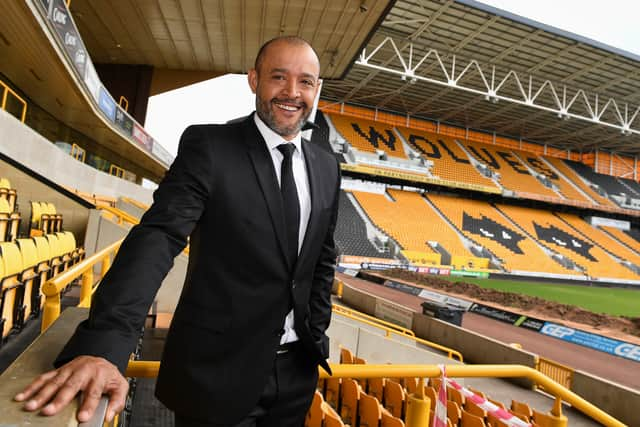
Fosun followed up a chaotic first year of ownership at Wolves by striking gold, shrewdly using their relationship with Gestifute and Jorge Mendes to gain an edge in the transfer market while appointing Nuno Espirito Santo and his elite coaching staff to oversee team affairs.
Promotion in 2017/18 with arguably the most talented side ever assembled in England’s second tier has been followed with seven consecutive seasons in the Premier League.
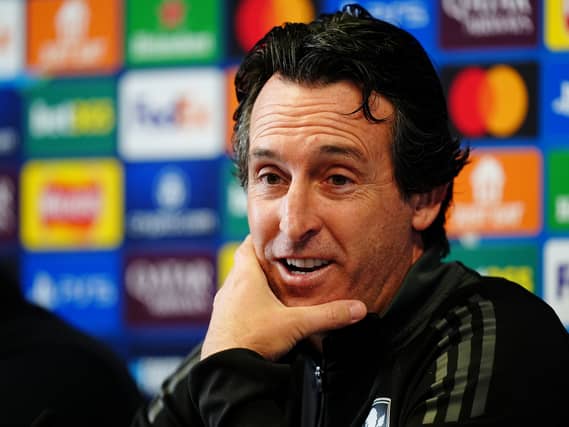
Yet it is Villa who have gone onto the greatest achievements on the pitch. Unai Emery was the catalyst for change, reversing the fortunes of the team under Steven Gerrard.
Significantly, the summer of 2023 saw Villa’s infrastructure brought into line with the work of the coaching staff. Sevilla’s sporting director Monchi – who had previously worked with Emery – was appointed as president of football operations, and Damian Vidagany was named director of football operations.
By now rebranded as V Sports, the club’s owners identified the key areas of development needed to ensure Emery was given the tools he needed to succeed. This summer, V Sports acquired a 20 per cent investment from American firm Atairos, increasing the club’s ownership value to £500m.
So, eight years on, what does the future hold?
Villa and Albion had to go through some dark days off the pitch.
For Albion supporters the fight has lasted longer and been more acrimonious but there is optimism once more, just as there was eight years ago when Peace’s ownership came to a conclusion.
Wolves are the only club of the three who haven’t changed ownership, but a successful search for investment is crucial to future success.
Years of stability on and off the pitch have given the club a basis to survive among the game’s elite but supporters fear further progress will be difficult.
For a club to truly thrive, then perhaps one of these has the edge.
V Sports has a wide range of global sporting investments and a collaborative approach has allowed the club to put best-practise into the operation of its flagship club: Villa.
None of it would have been possible without Emery’s work with the first team, though, and continued European qualification seems a reasonable aim.
Ultimately, we do not know how the next eight years will unfold.
As witnessed since I first penned a column in these pages, ownership can take many twists and turns.
As any seasoned observer will know, take nothing for granted when it comes to professional football and how its elite clubs are run.
Comment Guidelines
Iconic Media encourages reader discussion on our stories. User feedback, insights and back-and-forth exchanges add a rich layer of context to reporting. Please review our Community Guidelines before commenting.