
Staleness, spin-offs and radio funding slashed: Why I think the BBC TV licence has had its day
Question: Mark Chapman on Match of the Day - do you feel short-changed when he stands in for Gary Lineker?
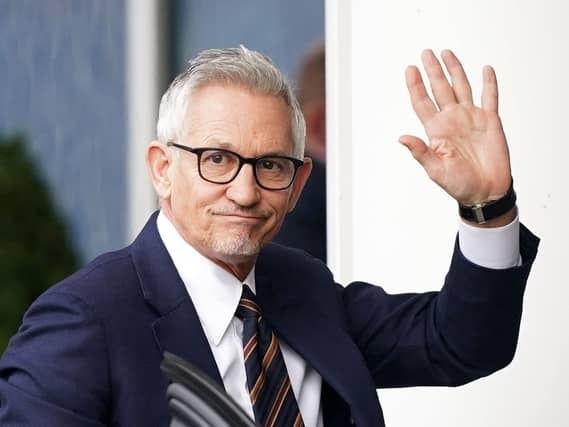


Just asking, because I don't - I've always found him perfectly competent at announcing which game we are about to watch, and putting a few probing questions to Ian Wright or Alan Shearer about who will challenge Manchester City this year, or what is going wrong at West Ham. And he does it for £264,000 year, a fifth of what the BBC pays for the supposedly indispensable talent that is Gary Lineker.
Yes, I know people are always going on about Lineker's salary, and as far as I'm concerned he does a pretty decent job of introducing football highlights. But doesn't the corporation's stubborn determination to pay him eight times the salary of the Prime Minister – even if he does have to supply his own specs – speak volumes of how out-of-touch Aunty Beeb has become?
The future of the licence fee is on the agenda once more, with the new Labour Government considering proposals to decriminalise non-payment, while Tory leadership hopeful James Cleverly has called for the licence fee to be abolished altogether.
The BBC has long argued that the 'unique way we are funded' allows it to perform a vital public service, producing programmes that would never be made if broadcasting was made by the private sector. And a generation ago, it was a pretty good point.
But here's another question: When was the last time the BBC came up with a brave, innovative programme that captured the public's imagination? I've just been scouring this week's TV listings, and I'm struggling to find anything that is remotely original, let alone worth watching. Celebrity this, reality that. EastEnders, which nobody has watched since Dirty Den left, repeats of The Fast Show, a chat show with Graham Norton. Then there's my personal favourite, decluttering with Stacey Solomon – which sounds like something Alan Partridge might have suggested to his boss, had Stacey Solomon been around then.
Oh yes, Alan Partridge, the BBC's spoof chat show, satirising the slick-but-vacuous presenters who were increasingly dominating TV schedules at the time. Now that was a clever, original programme – in 1994. And 30 years on, Partridge is still around, occasionally brought out of storage for the occasional new series. Of course, it's a pale shadow of what it was in its heyday, but what else is there to watch?
The BBC can be original and creative. Reviving the ho-hum Come Dancing ballroom show as a celebrity reality show was a stroke of genius, and shows that the BBC can come up with bold ideas. But that was 20 years. And of course, the BBC has again milked the idea to death, its schedules clogged with tedious spin-off shows.
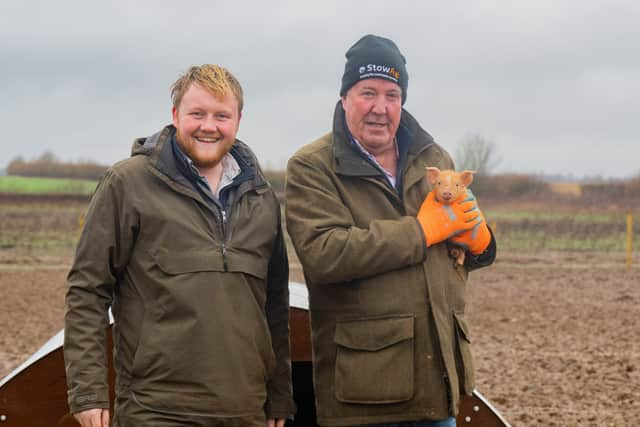
It's the same with Top Gear. The 2002 relaunch, the brainchild of Jeremy Clarkson and his producer Andy Wilman, turned a niche show for car buffs into a global hit. But again, it ran for about 10 years too long, and was looking stale years before Clarkson decided to punch his producer. And while the BBC struggled to revive the flagging format with various, ill-suited presenters, Clarkson joined the private sector and created Clarkson's Farm – a genuinely ground-breaking show which turned soil and crop-rotation into must-see TV.
Which brings us to the programme everyone is talking about at the moment: Joan. The true crime series, about a hairdresser leading a double life as a jewel thief, seems to have everyone on the edge of their seat, combining 1980s nostalgia with a gripping story. It was up against Nightsleeper, the much-derided drama set on a train which is under the control of terrorists.
Between them, Nightsleeper and Lineker sum up all that has gone wrong with the BBC today. Sure, it doesn't help that the corporation has grown into a giant bureaucracy, seemingly beholden to just about every pressure group going. It doesn't help that every attempt at popular entertainment has to be viewed through a lens of diversity quotas and identity politics. But its biggest failing is that it doesn't seem to know what it wants to be any more.
On the one hand it justifies the licence fee on the basis of providing a public service that the private sector wouldn't fulfil, but then offers exorbitant salaries to the likes of Norton and Lineker to supposedly stop them defecting to ITV. It chases ratings with populist entertainment programmes like EastEnders, but alienates the masses by filling it with a woke agenda.
Its once brilliant local radio coverage, which I always thought was the best justification for the licence fee, has been cut to ribbons, while millions of pounds are poured into news websites which duplicate services already well catered for by the private sector. So where we used to have giants like Eric Smith, Ed Doolan and Tony Butler, we now have cut-price programmes about 'noo music' which, shall we say, won't be troubling Simon Cowell any time soon.
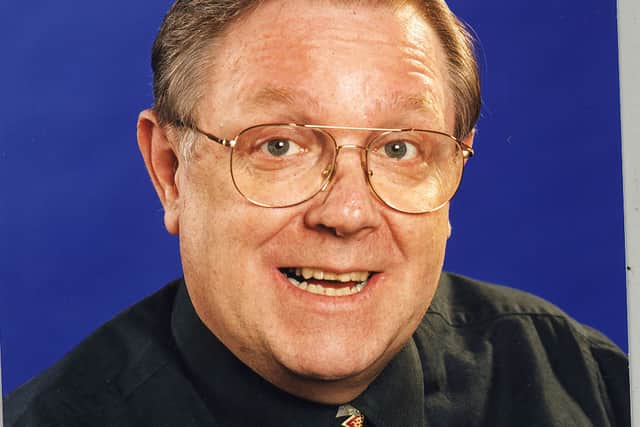
Which is why, for current affairs and informative chat, I now turn to the private sector. And start my day with LBC's Nick Ferrari.
As someone with neither a satellite dish, an online subscription, or even a home computer, I ought to be the BBC's ideal target market. So if I'm not watching or listening to it, who is?
Regardless of my misgivings, I suspect the end of the licence fee is inevitable anyway. The number of licence holders has fallen from 26.2 million in 2018 to 23.9 million today, and you can only see the trend going one way.
Instead of trying to delay the inevitable, it is surely time for old Auntie to reinvent herself and come up with a funding model for the 21st century.
Comment Guidelines
Iconic Media encourages reader discussion on our stories. User feedback, insights and back-and-forth exchanges add a rich layer of context to reporting. Please review our Community Guidelines before commenting.