
'I've been targeted by 'fake cures' for my condition for a decade - the problem isn't new'
The BBC recently exposed a shocking amount of misinformation being spread online about women's health by influencers with 'fake cures' - but this has been happening for over a decade.
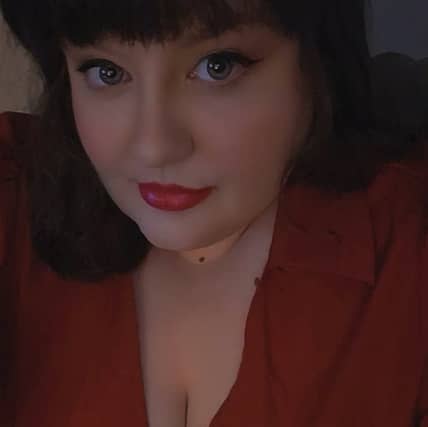

It's no secret that I have Polycystic Ovary Syndrome.
When I was diagnosed at 17, it was difficult to deal with the idea that I have a condition that will not only affect my ability to have children but would also affect my physical and mental health.
I felt isolated. Other young girls didn't seem to have the same worries as me. So, I decided to find others that related to me by being open about my struggle with the symptoms online - including weight gain, hair growth and mood swings.
According to everything I read on the NHS website, it's estimated that 1 in 10 women in the UK have the incurable condition, which didn't make it too difficult to find others just like me.
However, being so open about it made me an easy target for people looking to sell their 'fake cures' online.
It started on Instagram. Almost every day I would receive a message from a woman who'd signed up to a diet pill pyramid scheme claiming she had all my answers. Spoiler alert - she didn't.
I would call it out. Block and move on.
Thankfully, I had done my research when I was diagnosed so I knew enough to know they were talking rubbish. But others who may not be diagnosed yet or are freshly diagnosed may believe the things they see on social media over more credible sources.
But over the years the spread of misinformation has evolved to more than just messages. My social media feeds and TikTok 'For You Pages' are plastered with influencers sharing their "secret" with an affiliate link.
I even find myself the target for weight-loss surgery clinics abroad I've never heard off that are specifically "looking for women with PCOS who want to make a change."
And as it turns out, I'm not alone. This bombardment of misinformation has recently become the subject of a BBC World Service report by Jacqui Wakefield.
While weight-loss can help improve the symptoms of the condition, which is also linked to unexplained weight gain (like some kind of cruel irony), I'm afraid there's no miracle that can "cure" it or that you can rely on completely to improve your symptoms and not everyone with PCOS has the weight gain symptom.
Treating your PCOS isn't a 'one-size-fits-all' deal. You have to find what works for you.
Up to 70% of women with PCOS worldwide have not been diagnosed, and even when diagnosed, women struggle to find treatments that work, according to the World Health Organization (WHO).
The BBC report stats that "here is no evidence that highly restricted calorie diets have any positive effect, and the keto diet may make symptoms worse. Birth control pills do not cause PCOS and in fact help many women, though they don’t work for everyone. There is no known root cause for PCOS and there is no cure."
TikTok denies allowing misinformation about women's health on the platform and Mete, the owner of Facebook and Instagram, said user content on women’s health is allowed on the platform with “no restrictions” but they are t consulted with third parties to debunk health misinformation.
Comment Guidelines
Iconic Media encourages reader discussion on our stories. User feedback, insights and back-and-forth exchanges add a rich layer of context to reporting. Please review our Community Guidelines before commenting.