
The Queen is dead, long live the King - a look at the 2020s so far
Mark Andrews takes a look back through the decades to mark the Express & Star's 150th birthday. In the final instalment, we look at the 2020s so far


The Queen is dead, long live the King!
The death of Queen Elizabeth II, just three months after her Platinum Jubilee celebrations, marked the end of the longest reign in British history, seeing off 15 prime ministers. But as the sun set on the Queen’s 70-year reign, the accession of her eldest son, King Charles III, also marked the dawn of a new era.
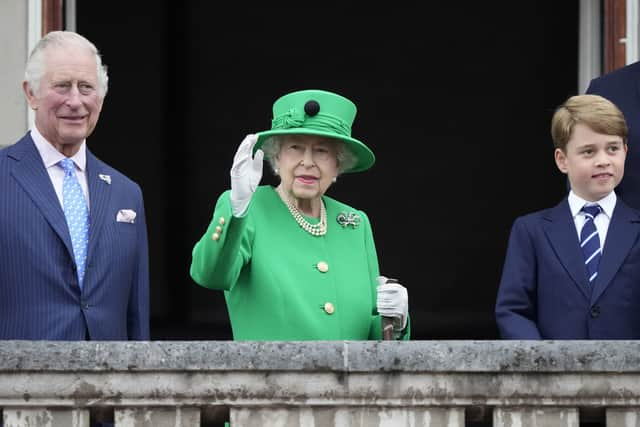
The spring of 2022 was a largely joyful affair. With the gloom of the coronavirus lockdowns finally behind us, the people of the West Midlands were united in celebrating the Queen’s unprecedented Platinum Jubilee.
The Queen herself observed that it was difficult to know how to mark the occasion, given that such a celebration had never been held before.
“When it comes to how to mark 70 years as your Queen, there is no guidebook to follow, it really is a first,” she said.
The 70th anniversary of her accession, in February, was a relatively low-key affair. Her Majesty held a small reception at Sandringham, on February 7, which was attended by members of the local Women’s Institute. Among them were Angela Wood, a former cookery student who helped create the original recipe for Coronation chicken in 1953.
Renewing the pledge she had made on her 21st birthday, the Queen said: “As we mark this anniversary, it gives me pleasure to renew to you the pledge I gave in 1947 that my life will always be devoted to your service.”
The main event, though, would be a four-day celebration in June, with an extra Bank Holiday being created on June 3, the normal spring bank holiday moving to June 2, and the celebrations continuing throughout the weekend.
The West Midlands became sea of red, white and blue – with a dash of royal purple – as hundreds of street parties were held across the region.
More than 20 fires were lit across the region, attracting thousands of well-wishers wanting to mark a moment in history. Thousands descended on the Severn Valley Railway to get a glimpse of the 34027 Taw Valley locomotive, which was painted purple, renumbered No. 70 and renamed Elizabeth II to mark the occasion.
The traditional Trooping the Colour ceremony was moved to June 2, and the Queen observed a flypast of more than 70 aircraft from the balcony of Buckingham Palace. The flypast was made up of aircraft from the Royal Air Force, Fleet Air Arm and Army Air Corps, including the Battle of Britain Memorial Flight, the Red Arrows and 15 Typhoon fighters forming the number 70.
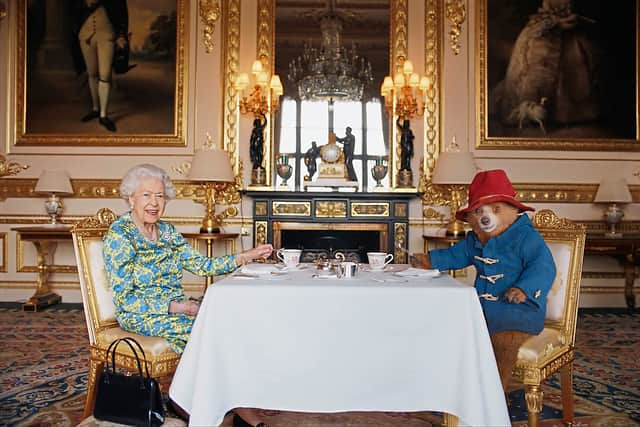
The following day, a service of thanksgiving was held at St Paul’s Cathedral, but Her Majesty was conspicuous by her absence. It was reported that she had been suffering from ‘some discomfort’ following the previous day’s events, and the Prince of Wales was tasked with standing in for her.The Platinum Party at the Palace, a music event featuring stars such as Elton John, Duran Duran, Andrea Bocelli, Alicia Keys, Rod Stewart and Diana Ross, was broadcast live around the world, with the Prince of Wales once more standing in for his mother at the end of the event. A comedy sketch, featuring the Queen in conversation with Paddington Bear,. was also screened. The celebrations were rounded off with a pageant along The Mall on June 5. A surprise appearance by the Queen from the palace balcony at the end rounded off what had been a much-needed period of joy, but it also became evident that the Queen’s health had been in rapid decline.
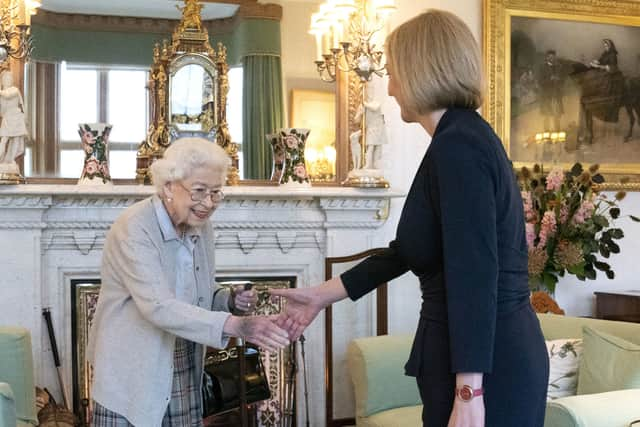
On September 6 the Queen appointed Liz Truss as her 15th prime minister, and for the first time she conducted the ceremony at her home at Balmoral rather than Buckingham Palace. Official photographs of her greeting the new PM raised concerns about the Queen’s health. Two days later Buckingham Palace announced her death. A statement from the Palace said the Queen died peacefully at 3.10pm on September 8, 2022. She was the first monarch to die in Scotland for almost 480 years.
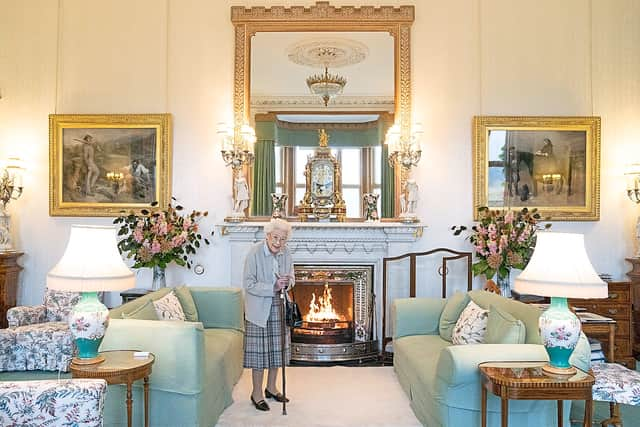
King Charles III gave his first speech to the nation at 6pm on September 9, paying tribute to his mother and announcing the appointment of his elder son, William, as Prince of Wales. The following day, the Accession Council publicly proclaimed Charles as King, the ceremony being televised for the first time.
The King’s Coronation, the following year, was also marked by a bank holiday, and once more thousands flocked to community events across the region.
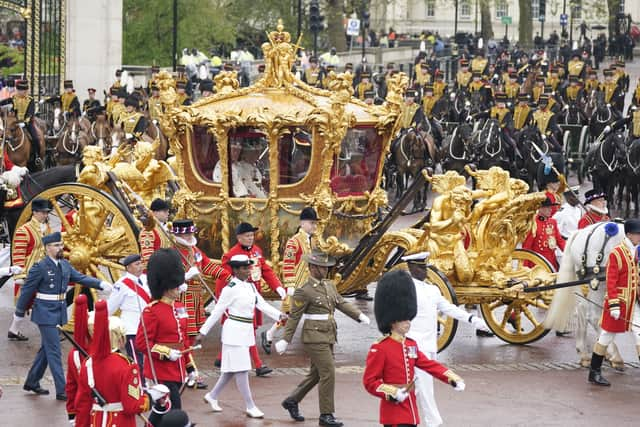
The ceremony itself, in Westminster Abbey, was held on Saturday, May 6. As was the case with the Coronation of 1953, rain failed to dampen the spirits of those celebrating the occasion. More than 100 patriotic and hardy individuals turned up to watch the ceremony on a huge outdoor screen at Himley Park, near Dudley. In London, tens of thousands of well-wishers lined the route of the procession from Buckingham Palace to the abbey, and also for the procession back. On their return to the palace, the King and Queen Consort Camilla appeared on the balcony for a flypast by the RAF.Aside from the change to the monarchy, the first five years of the 2020s represented one of the most eventful periods in recent history.
The decade began with the emergence of the coronavirus Covid 19 in the Wuhan district of China. As the first cases were confirmed in the UK, Prime Minister Boris Johnson – who had been re-elected with an 80-seat majority in December 2019 – imposed draconian ‘lockdown restrictions’, beginning on March 26, 2020. The laws initially saw people confined to their homes for all but essential activities, although the rules were somewhat relaxed in June, and made way for local lockdowns.
A second wave of the virus saw another national lockdown beginning in November. The development of a vaccine, and a mass immunisation programme beginning in December 2020, saw the gradual easing of the restrictions from March onwards.
Within a fortnight of the first lockdown being called, Johnson himself was admitted to intensive care, and reportedly came close to losing his life. While the Government’s handling of the crisis inevitably divided opinion, it was largely praised for its rapid vaccination programme which enabled the UK to emerge from lockdown before its neighbours.
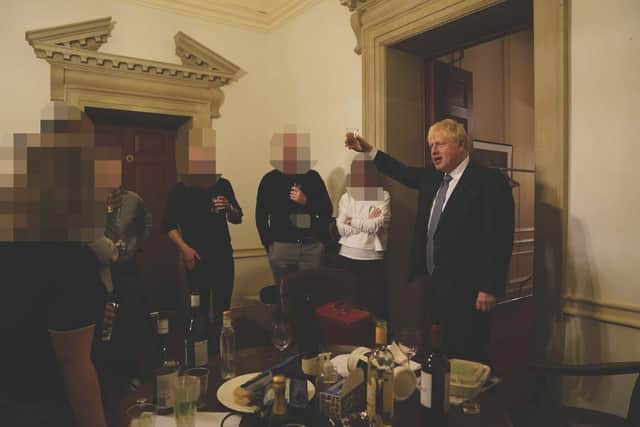
However, goodwill towards Johnson and his government diminished rapidly when allegations began to surface of Christmas parties in Downing Street while restrictions were in place. Johnson, his wife Carrie and Chancellor of the Exchequer Rishi Sunak were among 83 people who were issued with fixed penalty notices following a police investigation in January 2022. The scandal saw Johnson’s popularity plummet. The resignations of Sunak and Health Secretary Sajid Javid on July 5, 2022, over an unrelated matter, led to a collapse in confidence in the Prime Minister, and a flurry of ministerial resignations. Johnson announced his resignation on July 7.
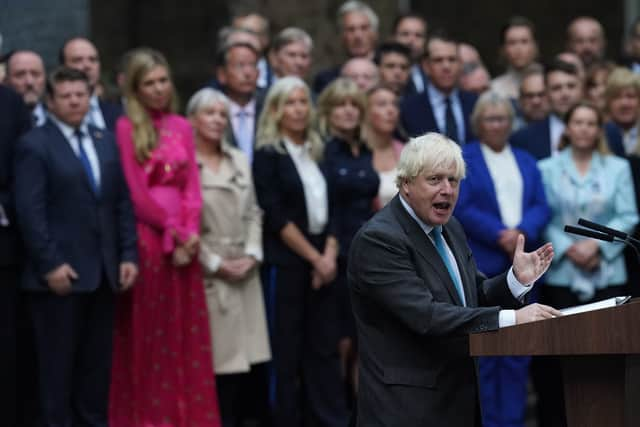
A two-month leadership election eventually saw Foreign Secretary Liz Truss defeat Sunak, and she was invited to form a government by the Queen on September 6. It would prove to be the shortest tenure in history.
Following a period of public mourning following the Queen’s death, the Truss administration’s first act was to announce a ‘mini budget’. The package included a cap on energy prices, to tackle the crisis caused by Russia’s invasion of Ukraine, increases in public spending, and tax cuts. The package was to have been funded by a significant increase in borrowing, leading to a collapse in confidence by the money markets and soaring mortgage rates. On October 20, after just 44 days in office, Truss announced her resignation. She was succeeded by Rishi Sunak on October 25.
Sunak did succeed in stabilising the economy, and the Conservative Party did see a modest improvement in its poll ratings, but it still heavily trailed the opposition Labour Party.

On May 22, 2024, Prime Minister Sunak surprised many by announcing a General Election to be held on July 4. The election saw Labour, led by Sir Keir Starmer, win a landslide victory, despite failing to significantly increase its vote share on the 2019 defeat. But a collapse in the Conservative vote saw Starmer become UK’s fourth prime minister in less than five years.
Big changes mark the star of a new dawn
The 2020s were a decade of dramatic change at the Express & Star, as the newspaper had to adapt to both the challenges of the coronavirus pandemic and a rapidly changing industry.
The decade was not quite three months old when Prime Minister Boris Johnson put the nation under 'lockdown', ordering everybody but those in a handful of occupations to stay at home, and only to venture out of the house in exceptional circumstances.
This required considerable ingenuity for a newspaper such as the Express & Star. While journalists had certain exemptions as an 'essential' occupation, the rules did not grant staff impunity to travel without very good reason. On the other hand, with the people of the West Midlands confined to their homes, the role of the Express & Star in keeping people informed about what was going on was arguably more important than ever.
To begin with, it was very much a 'make-do-and-mend' affair. Queen Street, along with the Shropshire Star offices in Telford and Shrewsbury, were quickly evacuated, and all staff were told to work from home. By this time, the majority of editorial staff had been equipped with laptop computers which could connect to the company's internal network; the ones who didn't were quickly issued with them.
Initially, lines of communication had to be through staff's personal mobile phones or home telephone lines, although eventually work laptops were adapted to use a telephone system called 3CX, which enabled them to make and receive calls through the company telephone network.
Throughout the 15 months of restrictions, the Express & Star kept its readers informed of what was going on, as well as the bringing morale-boosting stories about the thousands of essential workers who kept the country going, often at great risk to themselves. To keep people entertained during those dark days, we introduced a weekly 'pub quiz' feature, which proved very popular with readers.
As the rules were relaxed, journalists were allowed to go out more freely, and were eventually allowed back into the offices, although strict social distancing rules meant they were obliged to keep their distance.
The exponential growth of the internet as a source of news, at the expense of printed newspapers, also presented a challenge. While the Express & Star now had more readers than it had ever done before, the conundrum of how to turn internet 'clicks' into a viable revenue stream was something that had confounded the industry for many years.
The Express & Star was determined not to go down the 'clickbait' route which many newspapers had opted to follow. While sensationalist, click-driven stories and alluring headlines may have generated short-term profit, the company management felt that in the long run it would erode the reputation of the newspaper which had been built over the previous 140-odd years.
Some of the top experts in the industry were called in to draw up a long-term strategy, and they came to the conclusion that a more positive way forward would be to offer readers a premium, paid-for service, that would run alongside the existing free-to-view website. During the second half of 2022 a series of 'true crime' features were put together, using a high-end software package to give the features a premium feel. A trial scheme was held towards the end of the year, where the features would only be released to Express & Star Plus subscribers. The results were excellent, and it was decided to launch Express & Star Plus in full the following year.
For the launch of the subscription service, a painstakingly researched series of features looking back at the infamous Bhatti brothers era at Wolves was put together, and proved particularly popular. Of course, adapting to a rapidly changing market required huge investment, and as a family-owned business it was becoming increasingly hard for the Express & Star to maintain its position in an industry dominated by national groups. On September 29, 2023, it was announced that the Graham family's company, the Claverley Group, had made the difficult decision to sell the Midland News Association – including the Express & Star – to National World Plc.
Claverley Group chairman Phil Inman said: "The Midland News Association, including iconic Express & Star and Shropshire Star brands, has been owned and managed by the Graham family for generations.
"Agreeing to sell was an extremely difficult decision for the shareholders, but after careful consideration, the shareholders concluded that a larger organisation was better placed to secure the future of the business.
"National World's chairman David Montgomery, whose long career had made him one of the best-known names in Fleet Street, said acquiring the Express & Star and Shropshire Star was a major coup for the fast-growing group."
These iconic and premium brands will strengthen our footprint, improving our Midlands and national rankings in UK media," he said. "Our innovations in television and video, specialist content and our move to greater automation, will enhance the future performance of these new additions to the group.
"The greater scale will help underpin our accelerating transition to a multi-platform content business, focused on creative talent."
The takeover also meant it was time for the Express & Star to move from Queen Street, the newspaper's home since the 1870s.
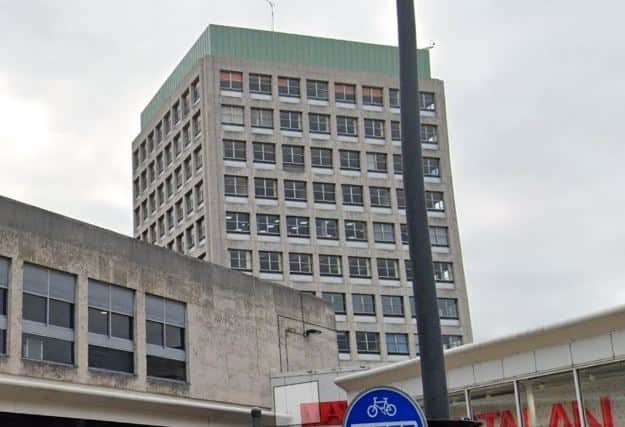
For the longer-serving members of staff, the departure from the famous old building just before Christmas 2023 was an emotional time, although most realised the move had been inevitable for some years. The sprawling complex which also straddled Tower Street and Castle Street, had been purpose built for the labour-intensive days of hot metal, and was both too large and outdated for the needs of the 21st century. As the Express & Star entered its 150th year, a new dawn beckoned in the towering heights of Mander House.
The first 150 years of the Express & Star have been a remarkable period for the newspaper, the region, and indeed the country. Let us all hope that the next 150 years are just as exciting.
Comment Guidelines
Iconic Media encourages reader discussion on our stories. User feedback, insights and back-and-forth exchanges add a rich layer of context to reporting. Please review our Community Guidelines before commenting.