
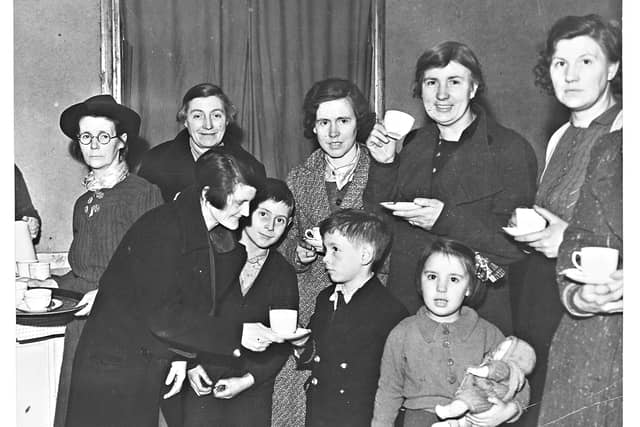

The 1940s brought the seismic shock of war, and for many children the upheaval of evacuation. Thousands left Britain’s cities for the relative safety of villages and towns across Staffordshire and Shropshire.
Hardship and uncertainty defined the war years, yet life continued as best it could. On the Home Front, communities pulled together, each playing their part in the struggle for victory and the hope of a better future.
As the decade drew to a close, Britain faced further challenges, including one of the harshest winters on record. It was also a time of profound change, with the creation of the NHS and the arrival of the Windrush marking a new chapter in the nation’s story.
We invite you to share your reflections on this gallery in the comments below.
- You can enjoy this and more with our weekly FREE Nostalgia Newsletter - with scores of archive pictures and exclusive features on the history of Wolverhampton, Staffordshire and the Black Country - all sent to your inbox every week. Sign up here.
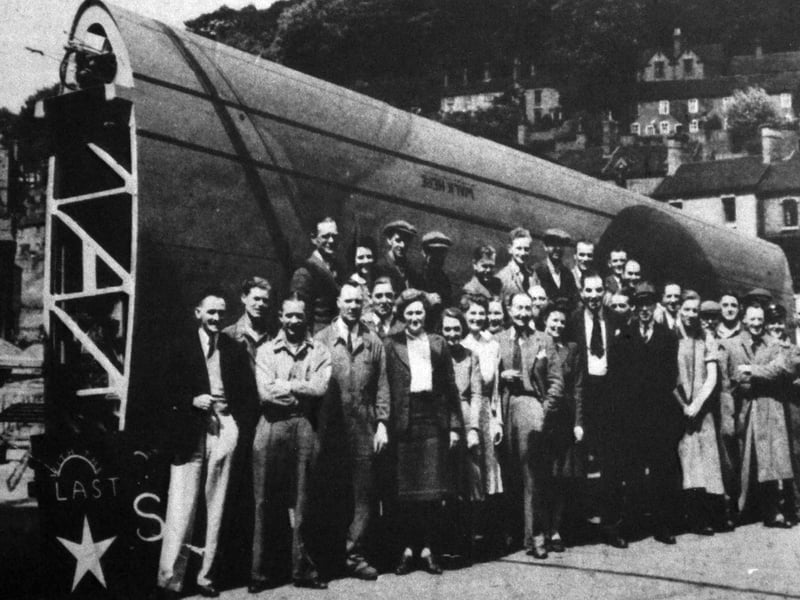
13. Coalbrookdale, 1945
Workers at Coalbrookdale Works are pictured with a bomber wing believed to be the last starboard wing produced for a Lancaster aircraft. | Shropshire Star archive
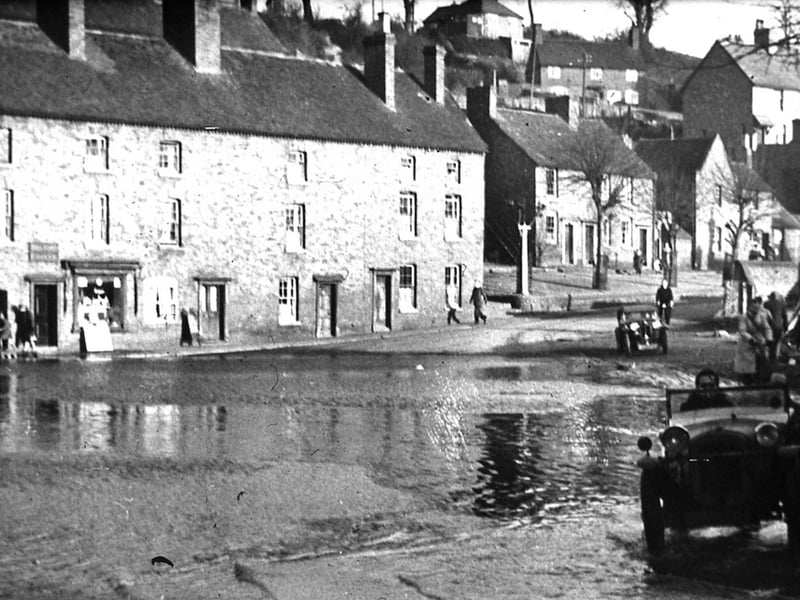
14. Bridgnorth, c.1946
Bridgnorth, c.1946–47 – floodwater engulfs the Fox Corner area as children pick their way through submerged streets, heading out for fish and chips despite the rising water. With the local chip shop forced to serve customers from the back door, life carries on in remarkably resilient fashion under difficult conditions. Shared by the Rev Frank Foxall, the scene recalls a post-war Bridgnorth where flooding was a familiar challenge, and everyday routines adapted to the river’s unpredictable reach. | Picture: The Rev Frank Foxall
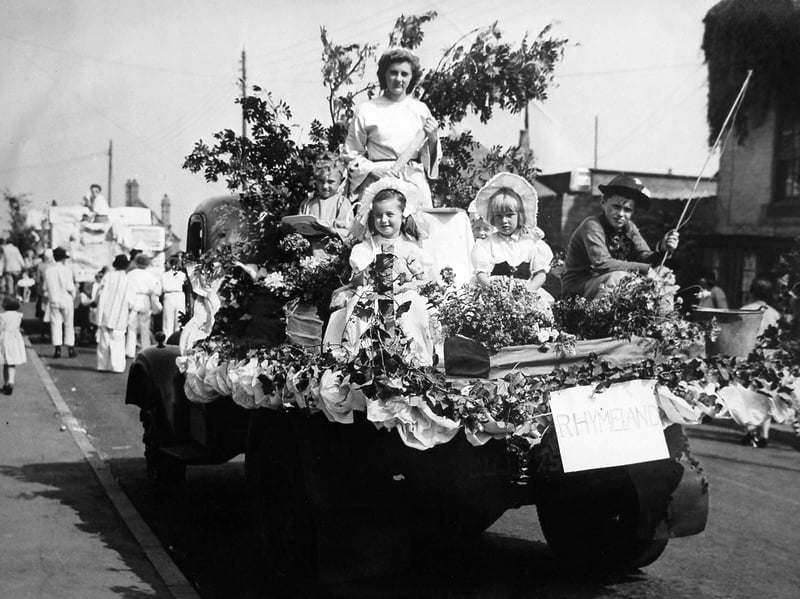
15. Madeley, c.1940s
Madeley, late 1940s a carnival float titled “Rhymeland” passes through the town, capturing a post-war moment of community celebration and street pageantry, likely along Madeley High Street near the Anstice. | Picture: William Haddock
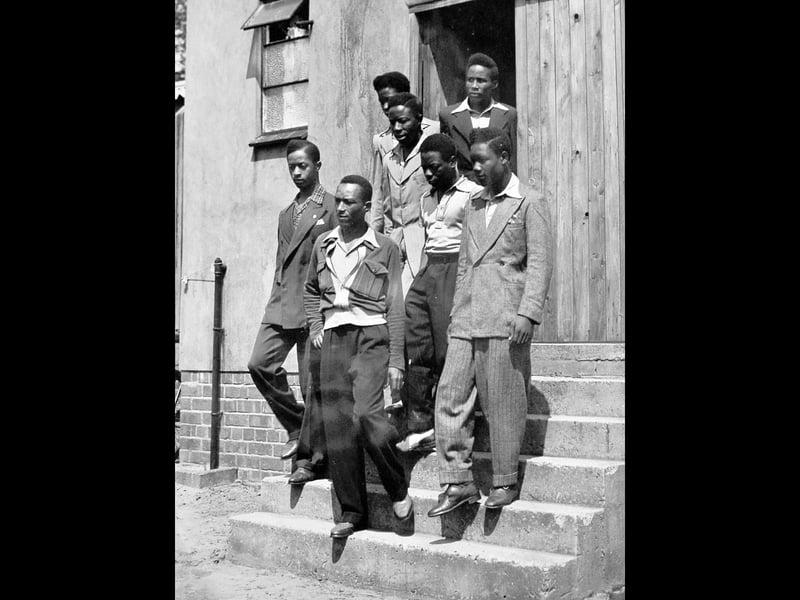
16. Perton, 1948
Wolverhampton, June 1948. Seven Jamaican men leave a hostel at Perton as they head into the city to seek work in post-war Britain. All had served in the RAF during the war and brought a range of trade skills as they looked to build new lives and contribute to the country’s recovery. | Express & Star archive