
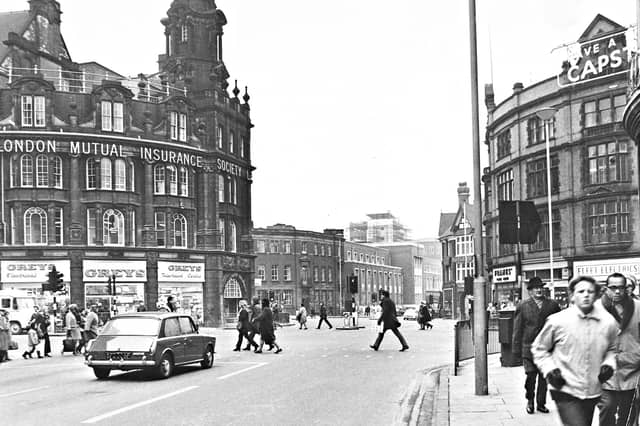

Take a trip back to Wolverhampton in 1969 with this collection of archive photographs capturing a town changing before people’s eyes.
It was a time when the expanding ring road and major redevelopment transformed the landscape, while familiar streets, traditional shops and long-established industries continued to define everyday life.
From busy factories and engineering works to community events, royal visits, churches, markets and neighbourhoods including Heath Town, Penn, Bradley and Tettenhall, these pictures offer a snapshot of Wolverhampton at the close of a remarkable decade.
Do you remember any of these places, people or events? Browse the gallery and let us know which photographs bring back the strongest memories by sharing your stories in the comments.
- Take a look back at Staffordshire and the Black Country in 1962 here.
- You can enjoy this and more with our weekly FREE Nostalgia Newsletter - with scores of archive pictures and exclusive features on the history of Wolverhampton, Staffordshire and the Black Country - all sent to your inbox every week. Sign up here.
37. Standing up for industrial history
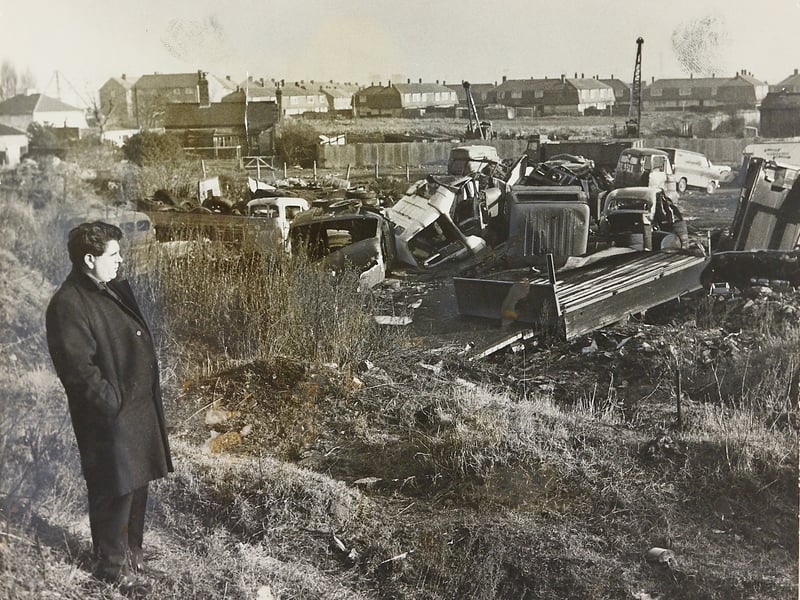
Councillor Dennis Turner looks across a cluttered scrapyard site on Walter Road, Bilston, in 1969, protesting against local authority proposals to construct public toilets on the historic plot. Revered as the "Heart of the Black Country", the land holds tremendous heritage value as the place where pioneering industrialist John Wilkinson erected Britain's first blast furnace in 1767. The young councillor's campaign highlighted a passionate push to protect key historical landmarks from inappropriate development across Wolverhampton. Do you remember Dennis Turner's early campaigning efforts or the debate surrounding the historic Walter Road site? | Picture: Express & Star
38. End of an era at James Gibbons
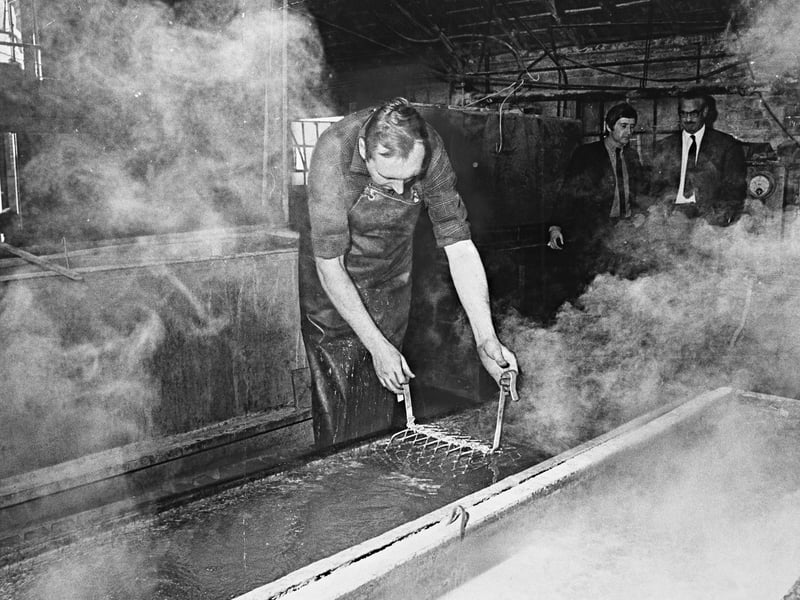
Enveloped in clouds of steam, a worker carefully dips metal components into chemical baths at James Gibbons Ltd in October 1969. The scene captures the final days of the factory's old hand-operated anodising plant before it was decommissioned and sent to the scrapyard to make way for modern automated facilities. A historic name in Wolverhampton manufacturing known for high-quality architectural ironmongery and metalwork, the firm’s transition marked another step forward in the technological upgrading of local Black Country industry. Do you or a family member remember working at the James Gibbons foundry or witnessing the changing techniques in Wolverhampton's metal trades? | Express & Star archive
39. A cast-iron piece of local history
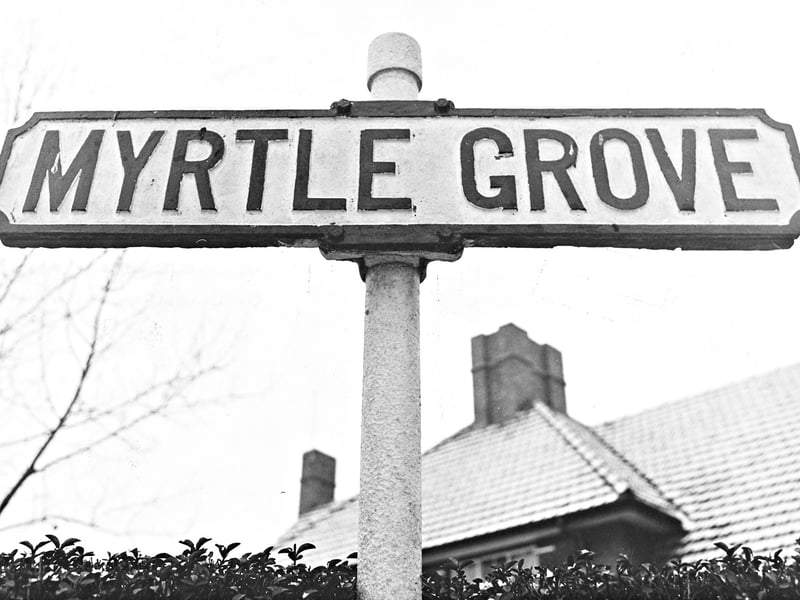
A classic cast-iron street nameplate for Myrtle Grove, situated just off Coalway Road, stands clearly against a backdrop of suburban rooftops in February 1969. Mounted on a traditional concrete post, this style of street sign was once a ubiquitous feature across Wolverhampton's residential neighbourhoods. The straightforward photograph offers a nostalgic glimpse into the quiet, everyday details that defined the local urban landscape in the late 1960s. Do you remember seeing these iconic cast-iron street signs around Coalway Road and Penn? | Express & Star archive
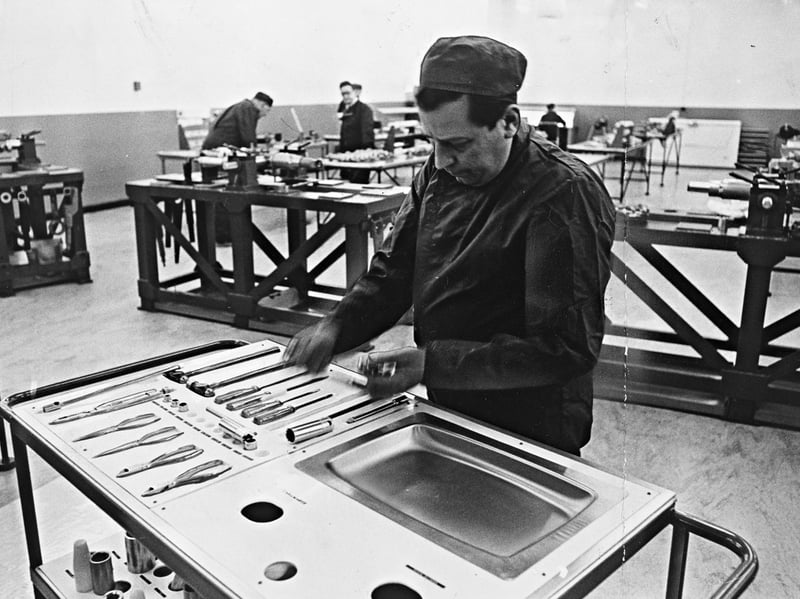
40. Surgical precision in aerospace manufacturing
A technician carefully organises tools on a stainless steel bench inside the ultra-clean assembly room at Boulton Paul Aircraft in Wolverhampton on January 14, 1969. Working on the final assembly of complex power control systems, staff in the pressurised, air-filtered facility wore protective clothing that was laundered daily to prevent dust particles from contaminating vital flight components. The photograph highlights the painstaking standards of precision engineering that made Wolverhampton a powerhouse of the British aviation industry. Did you or a family member ever work at the Boulton Paul factory in Wolverhampton? | Express & Star archive