
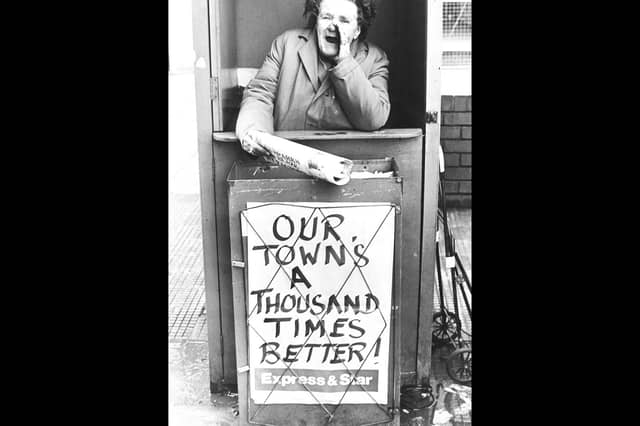

Some of these sights might bring back fond memories - from the early arrival of the milkman and the unmistakable call of the rag-and-bone man to the rhythmic clink of local workshops, familiar street vendors and everyday scenes that were once simply part of life.
Over the decades, many of these trades and traditional ways of life have changed, while others have quietly disappeared altogether. But through this gallery, we can step back in time across Wolverhampton, the Black Country and Staffordshire to discover the hardworking people, traditional crafts, familiar scenes and everyday items that once featured in daily life. From typewriters and index filing systems to video cameras and workshops, these pictures offer plenty of reminders of just how much has changed.
How many of these bygone moments do you remember? Take a stroll through our nostalgia gallery, see what sparks a memory and share your own stories, photos and recollections in the comments.
- You can enjoy this and more with our weekly FREE Nostalgia Newsletter - with scores of archive pictures and exclusive features on the history of Wolverhampton, Staffordshire and the Black Country - all sent to your inbox every week. Sign up here.
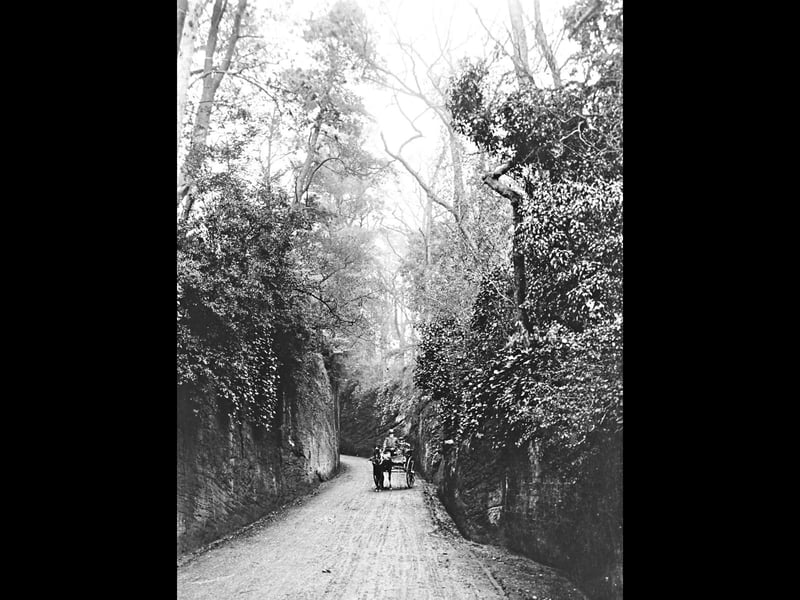
21. Journeys at a gentler pace
Captured in a tranquil, leaf-draped sandstone cutting, a horse and carriage make their way down a quiet lane in this undated photograph. Long before motorways, exhaust fumes, and traffic jams dominated daily travel, journeys were measured by the steady clatter of hooves and the rustle of the surrounding woods. Do you recognise this distinctive sandstone cutting, or can you help us identify exactly where this peaceful scene was taken? What do you think life was like when traveling between local villages meant a calm horse-drawn ride through the countryside? | Express & Star archive
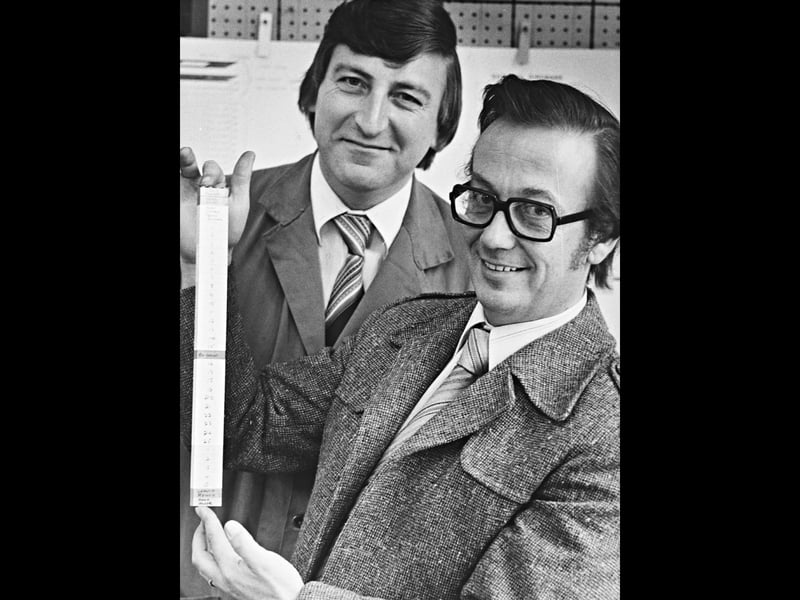
22. Mastering the craft of bank security
In July 1980, print line finishing manager Jeff Welding (right) and print line supervisor Bob Hill proudly showed off a clever handmade scale model demonstrating the precise assembly process of a cheque book at Kenrick & Jefferson in West Bromwich. As renowned security printers, the firm produced millions of official financial stationery items, relying on meticulous physical engineering and craftsmanship long before modern digital banking and contactless payments took over. Do you remember when paying for weekly shopping or bills meant tearing out a paper cheque from a fresh cheque book? Did you or anyone in your family ever work at Kenrick & Jefferson or in West Bromwich's famous printing industry? | Express & Star archive
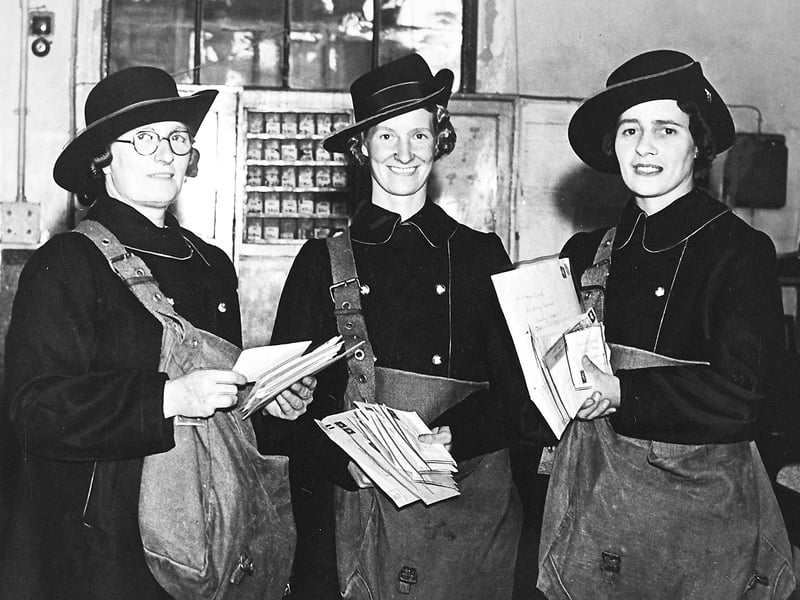
23. Early risers keeping the post moving
In June 1940, postwomen Miss M Tonkinson, Mrs E Eccleston, and Miss B Palmer posed with their postbags before setting off on their daily rounds. Rising at five in the morning to sort and deliver wartime mail, these dedicated workers stepped up to keep vital postal services running smoothly while many male postal staff were serving away from home. Can you believe this photograph was taken 86 years ago? Does anyone in your family have memories or stories passed down about the hardworking postwomen who kept the mail moving during the Second World War? | Express & Star archive
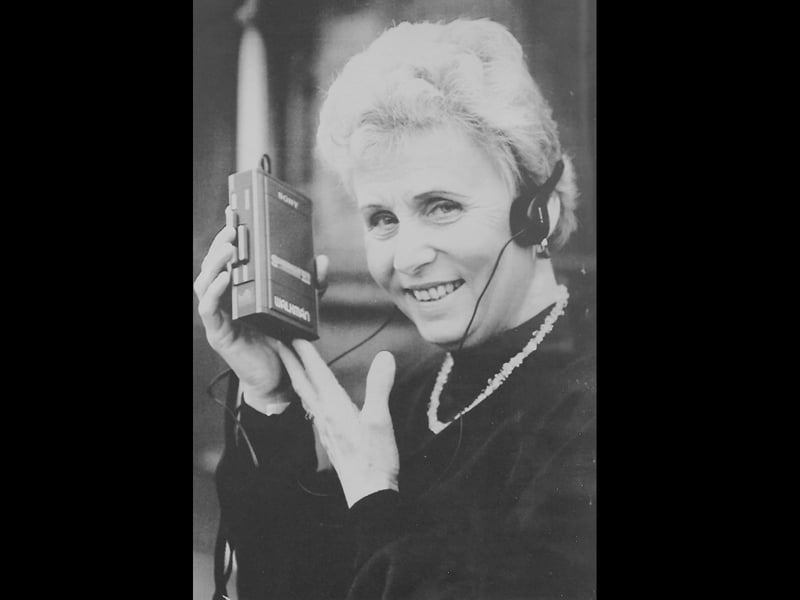
24. Audio guides on the Walkman generation
In January 1993, museum assistant Christine Hodgetts tried out a newly introduced audio guide system at Wednesbury Art Gallery. Designed to help blind and visually impaired visitors experience the permanent exhibitions through detailed word pictures, sound effects, and commentary, the scheme used specially adapted portable Sony Walkman cassette players to make art accessible to everyone. Do you remember carrying a iconic Sony Walkman around on your belt to listen to your favourite cassette tapes? | Express & Star archive