
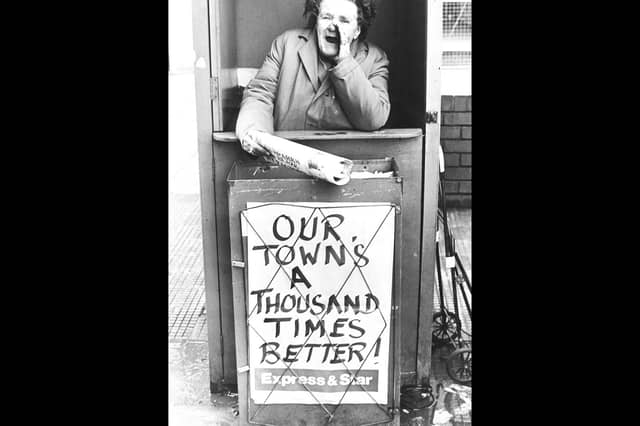

Some of these sights might bring back fond memories - from the early arrival of the milkman and the unmistakable call of the rag-and-bone man to the rhythmic clink of local workshops, familiar street vendors and everyday scenes that were once simply part of life.
Over the decades, many of these trades and traditional ways of life have changed, while others have quietly disappeared altogether. But through this gallery, we can step back in time across Wolverhampton, the Black Country and Staffordshire to discover the hardworking people, traditional crafts, familiar scenes and everyday items that once featured in daily life. From typewriters and index filing systems to video cameras and workshops, these pictures offer plenty of reminders of just how much has changed.
How many of these bygone moments do you remember? Take a stroll through our nostalgia gallery, see what sparks a memory and share your own stories, photos and recollections in the comments.
- You can enjoy this and more with our weekly FREE Nostalgia Newsletter - with scores of archive pictures and exclusive features on the history of Wolverhampton, Staffordshire and the Black Country - all sent to your inbox every week. Sign up here.
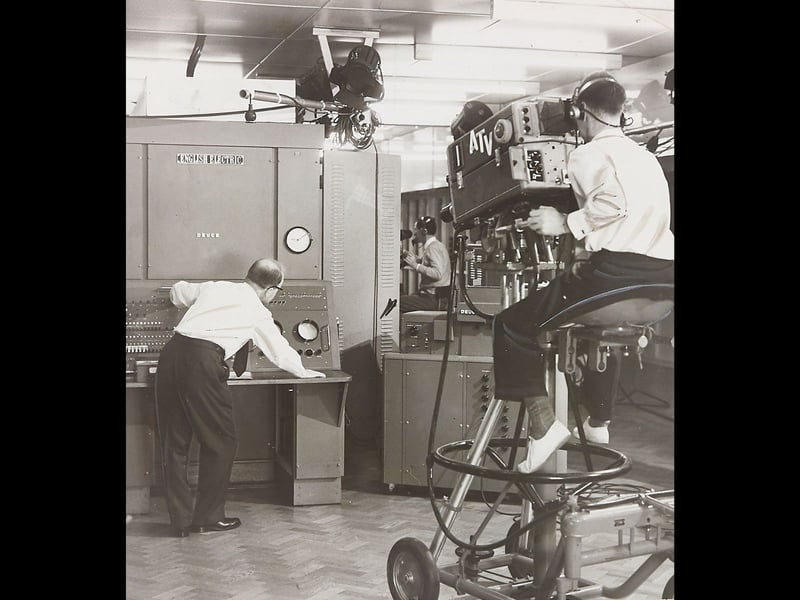
13. Early computing hits the television screens
In October 1959, cameras from ATV captured the massive "Deuce" computer at English Electric in Stafford as it electronically analysed early election results. Towering over the studio and manned by technicians in shirt and tie, this room-sized pioneer of computing represented a groundbreaking moment in broadcasting technology - long before desktop screens, graphics packages, or instant digital coverage existed. Do you remember staying up late to watch election coverage on television back in the 1950s or 60s? Did you or anyone in your family ever work with the early mainframe computers at English Electric in Stafford? | Express & Star archive
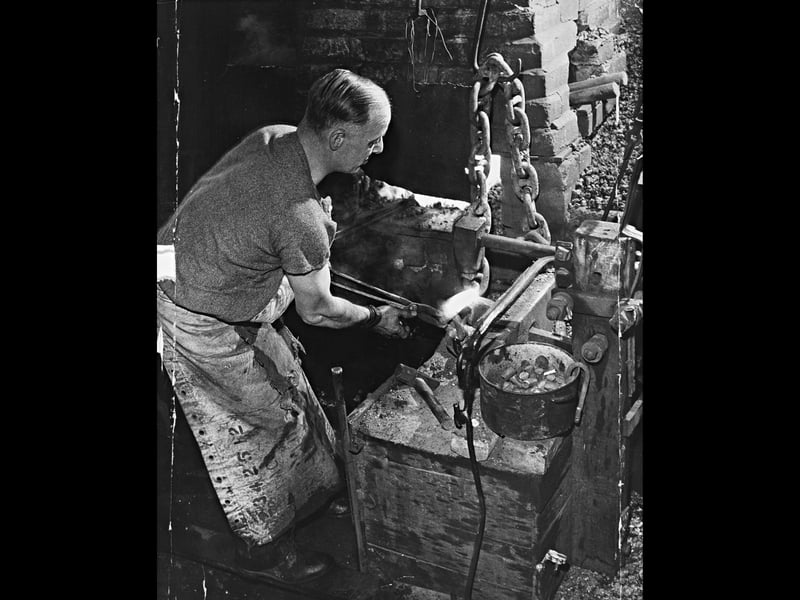
14. Forging the links of heavy industry
In April 1965, Mr A. Bagley was captured working at a traditional hearth, carefully hammering out a heavy stud link chain from glowing white-hot iron. Working with hand tools and relentless heat, chainmakers like Mr Bagley crafted the vital heavy-duty tackle that powered shipyards, coal mines, and heavy industry worldwide. Did anyone in your family work at the anvil or in the local chain and anchor shops? Do you remember the rhythmic ring of the hammer on the anvil, or the intense heat that radiated from the open brick hearths on a cold spring morning? | Express & Star archive
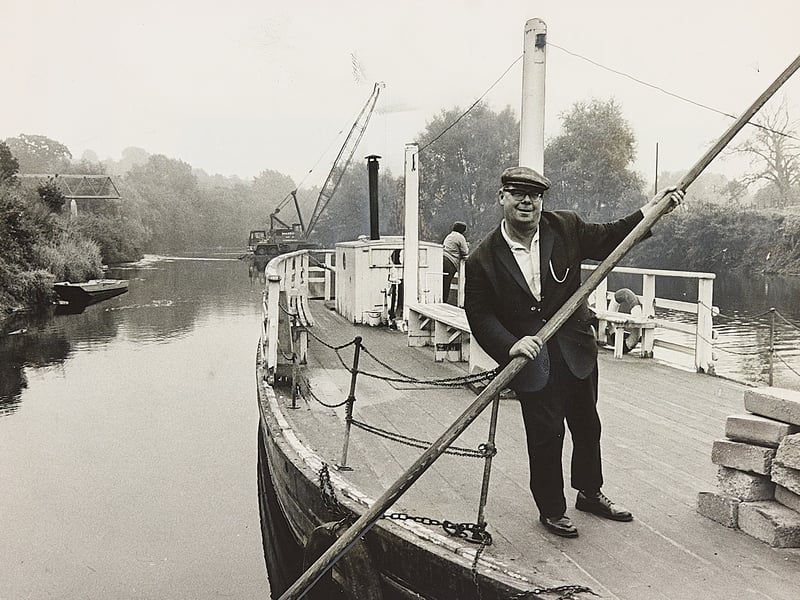
15. The last journey for a river tradition
In October 1971, 62-year-old Bert Evans - known affectionately to regular passengers as "Bert the Boatman" - pushed off on the Arley Ferry across the River Severn, just as he had done for years. Yet right behind him, a crane was already hard at work erecting the new footbridge that would soon bring an end to a river crossing tradition dating all the way back to 1323. Do you remember taking a ride on the old Arley Ferry before the footbridge opened in early 1972, or chatting with Bert as he guided passengers across the water? | Express & Star archive
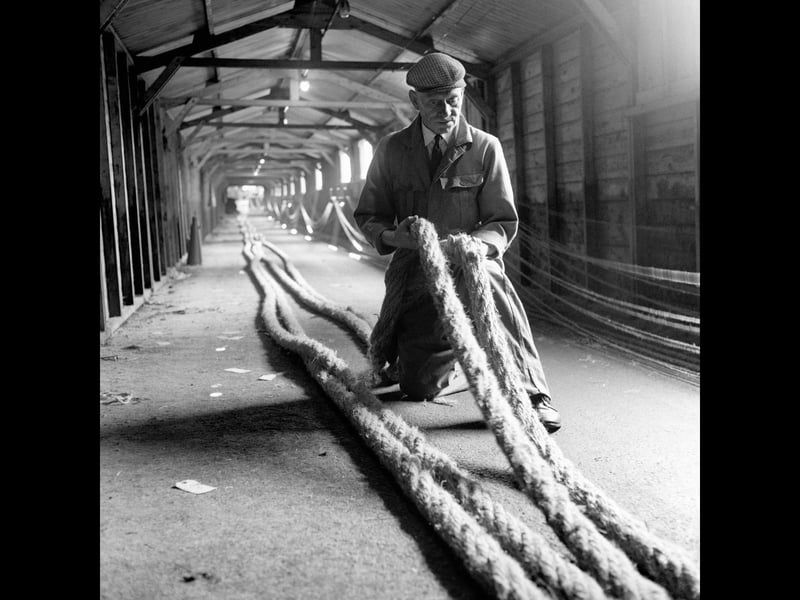
16. Walking the length of a traditional craft
In 1968, a craftsman inspected heavy strands of jute rope stretching into the distance along the covered rope walk at the Moxley Rope Works. Hand-spun and laid out along exceptionally long timber sheds, these specialised natural fibre ropes were used in major engineering projects to seal massive water pipes together. Did anyone in your family ever work down at the rope walk, or do you remember seeing these uniquely long timber buildings around town? Can you guess how many yards a ropemaker might walk back and forth in a single working day? | Express & Star archive