
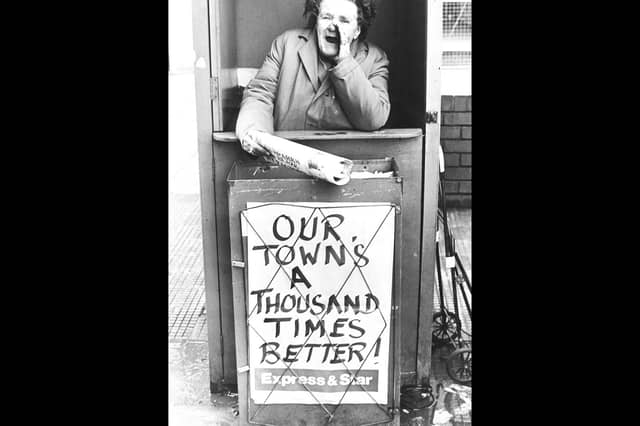

Some of these sights might bring back fond memories - from the early arrival of the milkman and the unmistakable call of the rag-and-bone man to the rhythmic clink of local workshops, familiar street vendors and everyday scenes that were once simply part of life.
Over the decades, many of these trades and traditional ways of life have changed, while others have quietly disappeared altogether. But through this gallery, we can step back in time across Wolverhampton, the Black Country and Staffordshire to discover the hardworking people, traditional crafts, familiar scenes and everyday items that once featured in daily life. From typewriters and index filing systems to video cameras and workshops, these pictures offer plenty of reminders of just how much has changed.
How many of these bygone moments do you remember? Take a stroll through our nostalgia gallery, see what sparks a memory and share your own stories, photos and recollections in the comments.
- You can enjoy this and more with our weekly FREE Nostalgia Newsletter - with scores of archive pictures and exclusive features on the history of Wolverhampton, Staffordshire and the Black Country - all sent to your inbox every week. Sign up here.
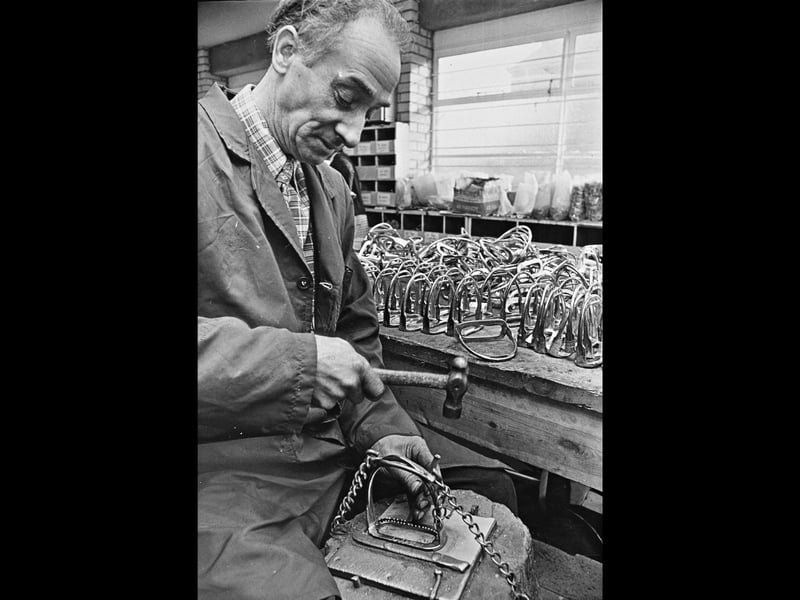
5. A master of the traditional leather trade
In February 1976, craftsman Robert Buckler was captured demonstrating the time-honoured technique of "lagging" a metal stirrup with leather at Stanley Bros Ltd in Walsall. Operating at the heart of a town famous worldwide for its saddlery and metalware trades, skilled artisans like Robert relied on years of handed-down experience, a small hammer, and incredible precision. Did anyone in your family work at Stanley Bros or in the local Walsall saddlery trades? Do you remember the distinct smell of freshly cut leather and polish, or the clink of metalwork that used to echo from the town's historic workshops? | Express & Star archive
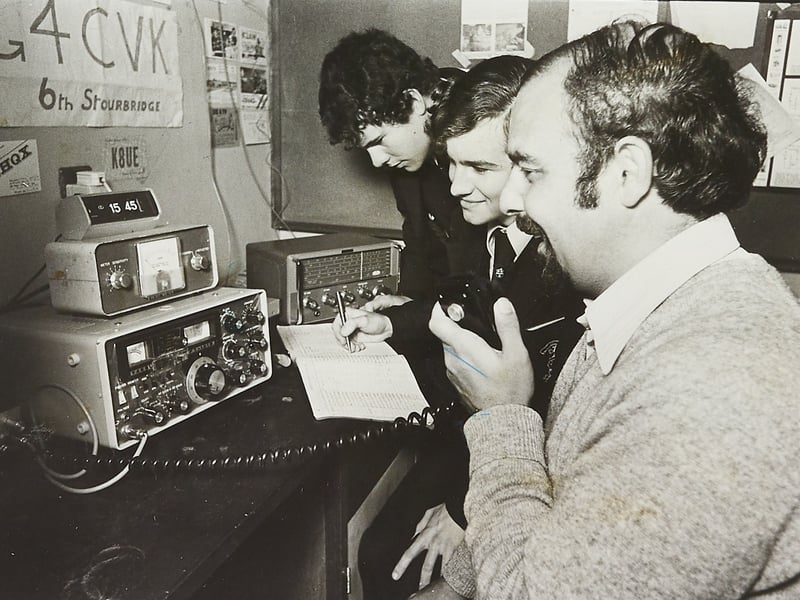
6. Calling the world on the airwaves
Surrounded by dials, meters, and logbooks, members of the 6th Stourbridge Scout Group operate a amateur radio rig (callsign G4CVK) to connect with fellow enthusiasts across the globe. Before smartphones, social media, and instant messaging, ham radio was a thrilling way to broadcast messages, swap callsigns with distant countries, and build technical skills. In a world where we can now send a text or video call anywhere in seconds, do you remember the magic of tuning into static-filled airwaves to reach someone miles away? Did you or anyone in your family ever hold an amateur radio licence or build your own radio set? | Express & Star archive
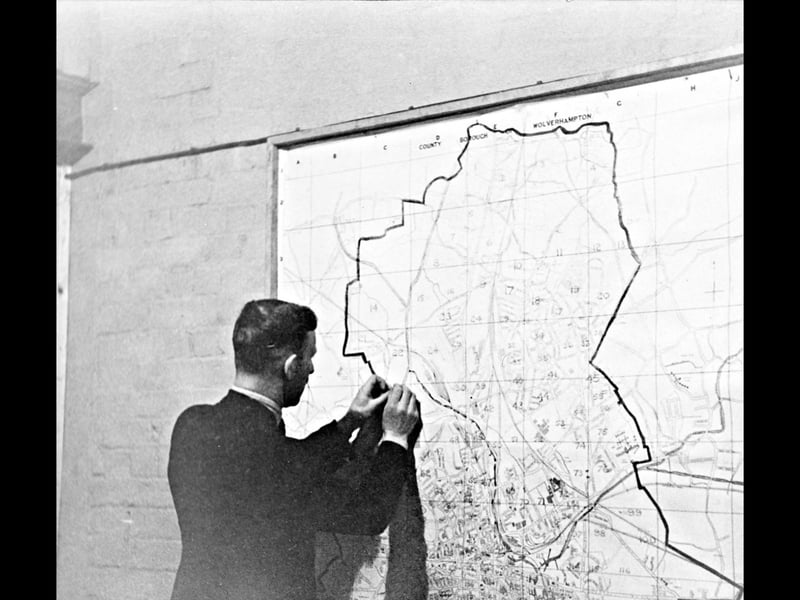
7. Plotting the borough’s front line
During the 1940s, Sergeant Stonier carefully marked positions by hand on a large wall map inside the control room of Wolverhampton’s Civil Defence Organisation. Long before satellite navigation, digital tracking screens, and real-time GPS coordinates, emergency responses were mapped out pin by pin on paper to coordinate air-raid wardens and rescue services across the borough. Do you remember a time when every journey or emergency was planned using physical paper maps and wall charts rather than a tap on a smartphone screen? | Express & Star archive
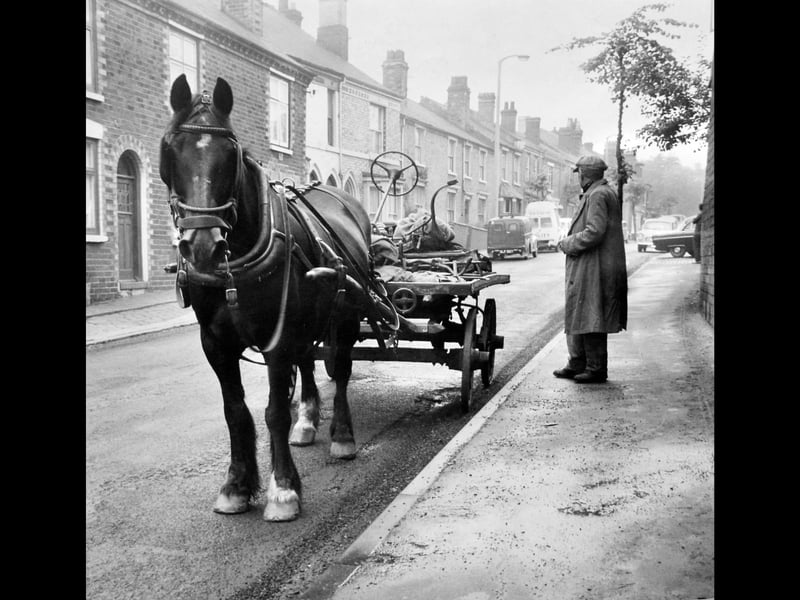
8. Any old iron?
A familiar call down the terrace rows used to send everyone scrambling to the front door with unwanted scrap metal, old clothes, or brass fittings. Long before council tip runs and resale apps, these street traders - and their hardworking horses - were the heart of neighbourhood recycling. Do you recognise this street corner, or do you remember trading an old kettle for a goldfish, a balloon, or a wooden peg on a summer afternoon like this one in August 1963? | Express & Star archive