
A decade of change and contrast, the 1970s saw communities across the Black Country, Staffordshire and the surrounding areas remain rooted in industry, close-knit neighbourhoods and bustling high streets, even as towns and estates adapted to redevelopment, changing economies and new ways of living.
From busy shopping scenes and Silver Jubilee celebrations to demolition sites, modern housing schemes and everyday moments, these images capture a period of transition, resilience and community spirit that helped shape the region's identity.
Enjoy browsing the gallery, and don't forget to tell us which picture is your favourite and share your memories in the comments below.
Missed our 1960s gallery? Take a trip back in time here.
- You can enjoy this and more with our weekly FREE Nostalgia Newsletter - with scores of archive pictures and exclusive features on the history of Wolverhampton, Staffordshire and the Black Country - all sent to your inbox every week. Sign up here.
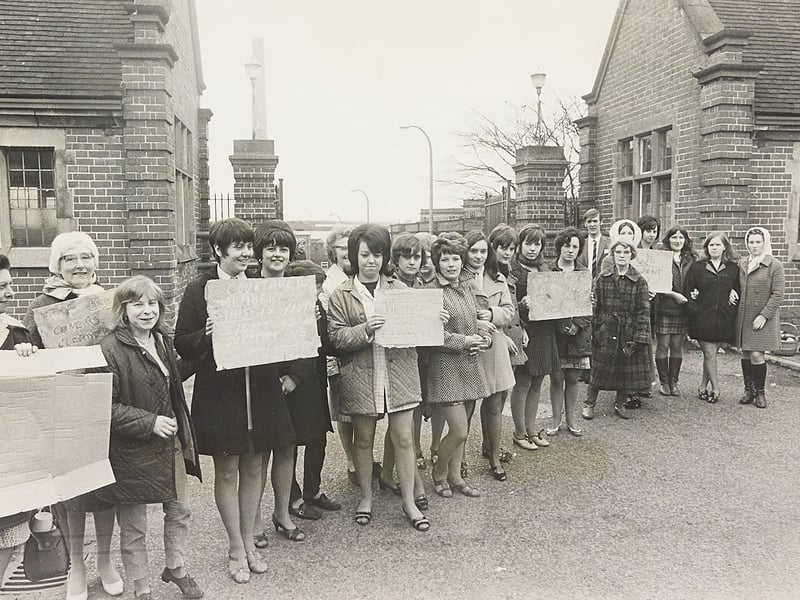
1. Courtaulds, Wolverhampton, 1970
A powerful moment from Wolverhampton’s industrial history in April 1970, as women workers at Courtaulds take to the picket line during a strike over pay. Holding protest signs outside the factory, the photograph captures a determined workforce standing up for fairer treatment, reflecting a period when workplace equality and industrial action were shaping the lives of communities across the Black Country. | Express & Star archive
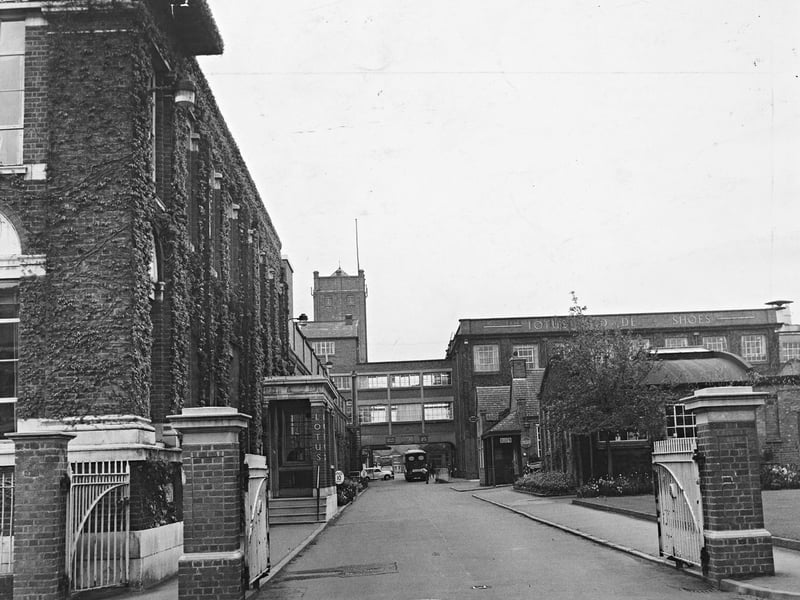
2. Lotus Shoe Works, Stafford, 1970
A familiar sight for generations of Stafford workers, this photograph captures the entrance to the Lotus Shoe Works in May 1970. More than just a factory gateway, it marked the start and end of countless working days, reflecting the town’s proud footwear manufacturing heritage and the industries that helped shape everyday life in Stafford during the 20th century. | Express & Star archive
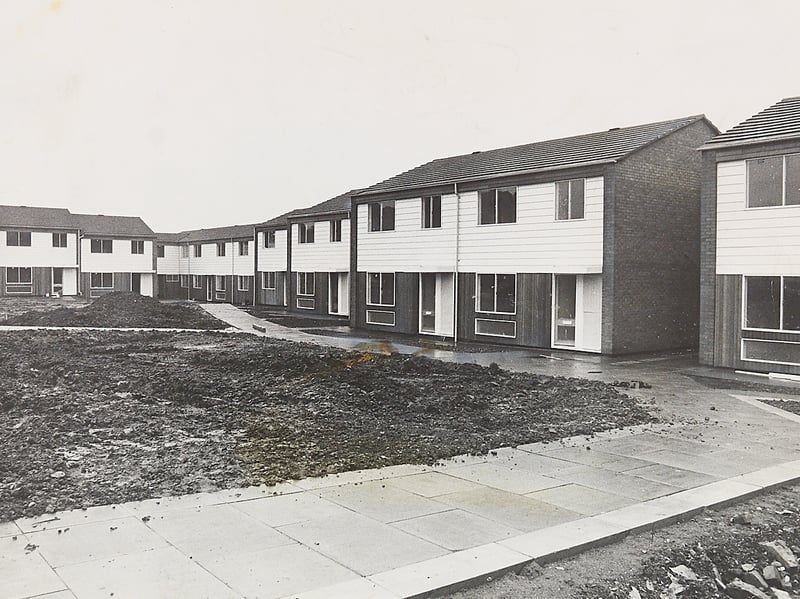
3. Coventry Street, off Willenhall Road, Wolverhampton, 1970
A glimpse of Wolverhampton’s changing streetscape in 1970, as Coventry Street off Willenhall Road captured a moment of transition from older terraced housing to new council-built homes. The accompanying caption described the area as one of the city’s “twilight zones”, where rows of ageing terraces were considered beyond economic repair, making way for a pilot redevelopment scheme. Eighteen modern houses, complete with central heating and some offering four bedrooms, stood on the site where a traditional street once ran, reflecting a wider era of urban renewal and changing living standards. | Express & Star archive
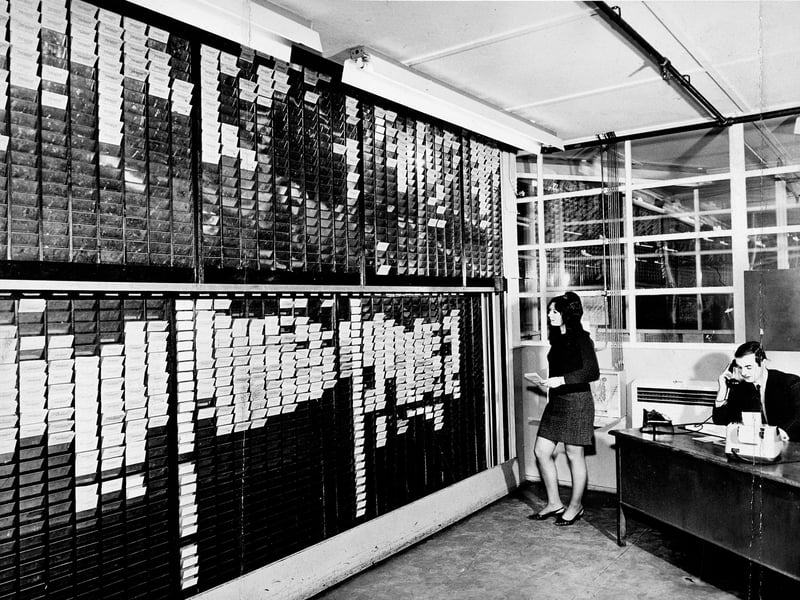
4. Enots Ltd, Lichfield, 1970
A glimpse inside modern industry in June 1970, as Enots Ltd unveiled an innovative production planning system at its new factory in Lichfield. The photograph captures a bank of five pneumatically powered load-planning charts, designed to save space and make work easier for staff. With nearly 1,000 card pockets on each chart and air-powered controls allowing them to be raised and lowered effortlessly, the system reflected the drive for greater efficiency and technological progress in British manufacturing during the era. | Express & Star archive