
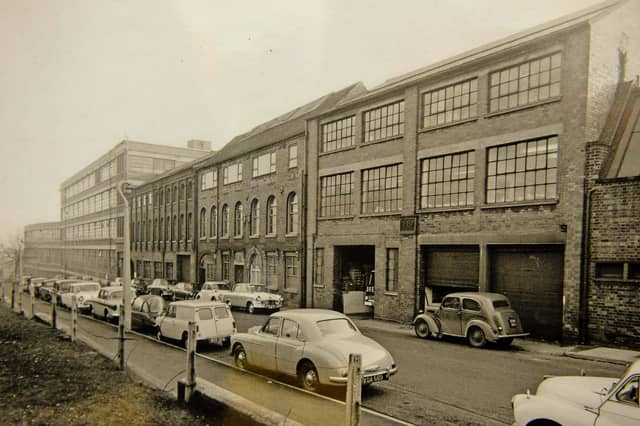

Step back to 1962 and discover a fascinating snapshot of Wolverhampton, Staffordshire and the Black Country at a time of change, confidence and industrial strength. These photographs capture the people, places and moments that shaped the region more than 60 years ago.
From the roaring furnaces of Bilston Steelworks and busy press lines in Willenhall to the opening of new schools, factories and industrial centres, the pictures reveal a region at the heart of Britain's manufacturing might. But alongside the industry are the stories of everyday life that made these communities unique.
You'll find Wolverhampton's Caribbean community celebrating Jamaican Independence at Wulfrun Hall, the centuries-old tradition of the Abbots Bromley Horn Dance, community gatherings, familiar faces and moments that capture the character of the region in 1962.
Whether these scenes bring back memories or offer a glimpse into a bygone age, this gallery is a celebration of the people, traditions and industries that helped shape Wolverhampton, Staffordshire and the Black Country. If these photographs spark a memory, we'd love to hear your stories in the comments.
- Explore these 59 nostalgic pictures capturing the workplaces and industries that shaped the Black Country and Staffordshire in the 1980s.
- You can enjoy this and more with our weekly FREE Nostalgia Newsletter - with scores of archive pictures and exclusive features on the history of Wolverhampton, Staffordshire and the Black Country - all sent to your inbox every week. Sign up here.
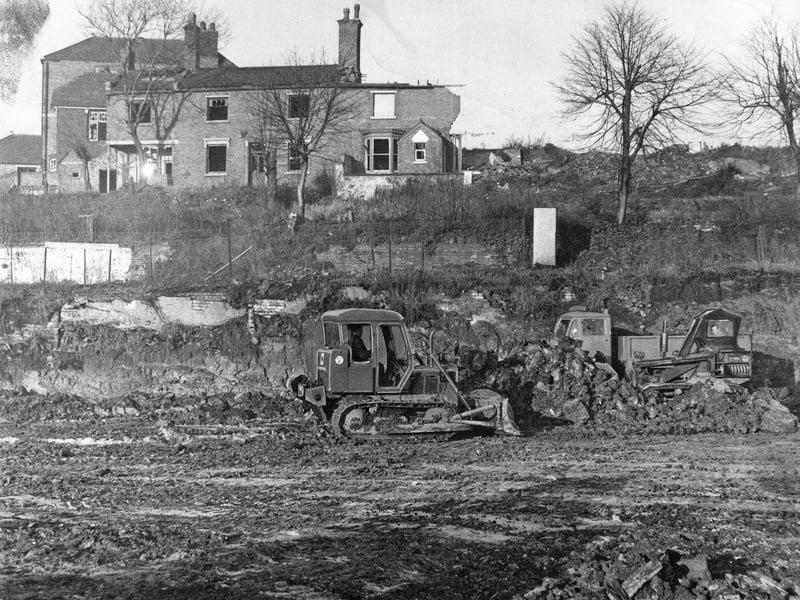
9. Making way for a massive high-rise housing boom
Mechanical diggers churn through mud and rubble as ground clearance gets underway for a major local housing development in December 1962. Brierley Hill Urban District Council kicked off the ambitious Hill Street and Chapel Street redevelopment scheme by clearing older terrace properties to reshape the skyline. The heavy machinery prepared the site for seven planned blocks of flats, including six six-storey buildings and a dominant 13-storey tower block, marking a dramatic shift toward modern post-war housing. Do you remember when these high-rise flats were first built, or do you recall how this area looked before the old streets were cleared? | Express & Star archive
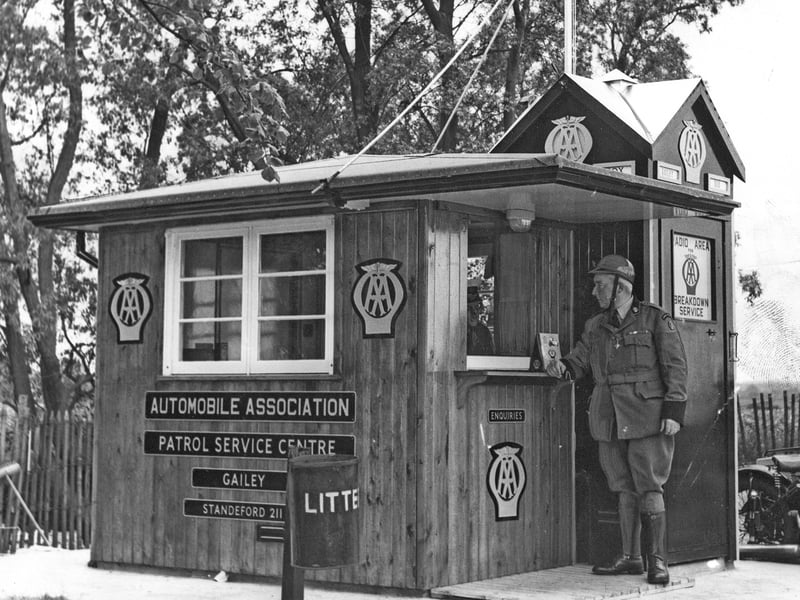
10. A modern new look for roadside assistance
An AA patrolman stands smartly at the enquiry window of a novel, chalet-style patrol service centre in June 1962. Installed at Gailey, this wooden hut was one of the first of its kind in the district, representing a modern upgrade to the Automobile Association's roadside network. Complete with radio breakdown service links, prominent AA insignia, and local signage, these distinctive wooden hubs provided a welcome haven and direct line of help for stranded motorists during the rapid expansion of 1960s road travel. Do you remember pulling over at these wooden AA posts or saluting the patrolmen back in the 1960s? | Express & Star archive
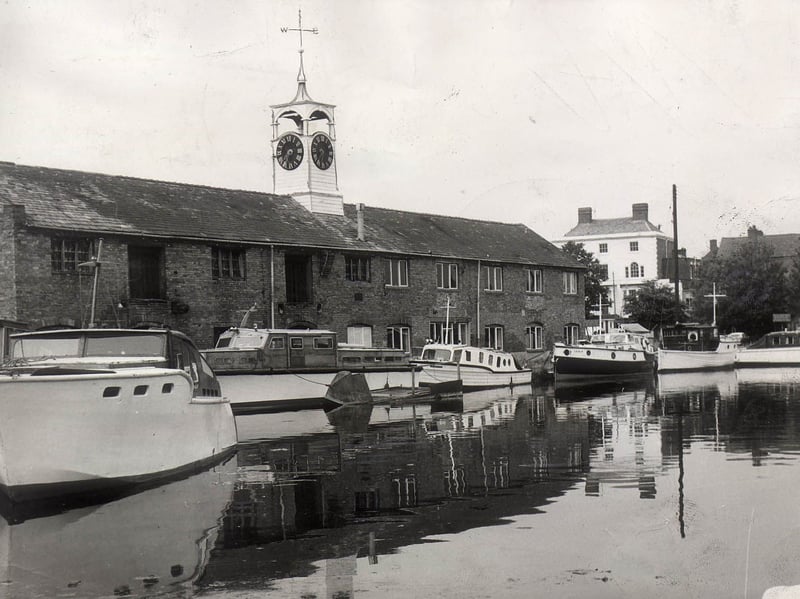
11. Messing about on the water in the Little Venice of the Midlands
Pleasure craft and cabin cruisers rest peacefully in the calm waters of one of the famous canal basins at Stourport on Severn in August 1962. Often affectionately dubbed the Little Venice of the Midlands, the town grew around the junction of the Staffordshire and Worcestershire Canal and the River Severn, turning it into a thriving inland port. Overlooked by the historic clock tower and surrounding warehouses, this tranquil summer scene captures the era when the historic basins were transitioning from busy commercial transport hubs into popular leisure destinations. Do you remember taking trips out on the water or visiting the canal basins at Stourport in the 1960s? | Express & Star archive
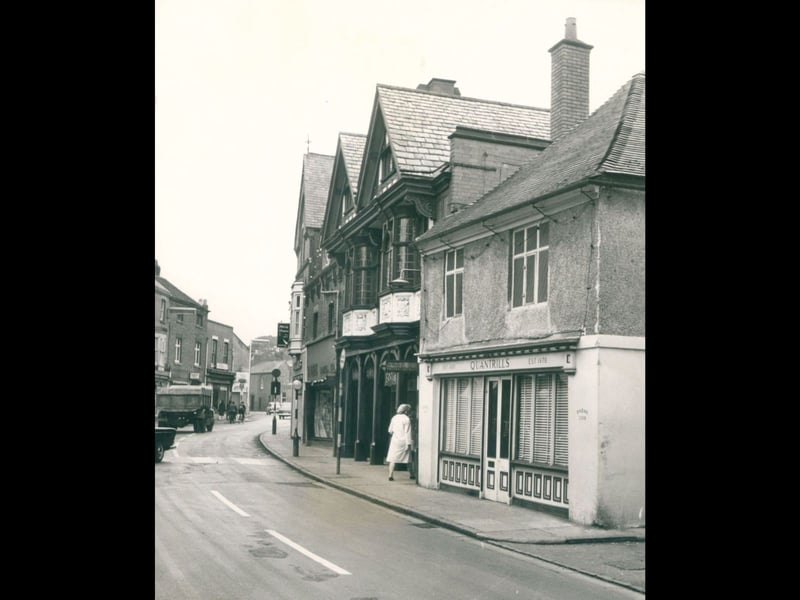
12. A traditional taste of high street history
A shopper walks past the traditional storefront of Quantrills butcher's shop on Tamworth Street in Lichfield in September 1962. Established in 1870, as proudly displayed above the door, the family business served local families for generations from its premises tucked among the town's historic timbered and gabled buildings. This quiet street scene captures a classic era of independent high street shopping, complete with traditional blinds, a narrow roadway, and classic delivery lorries trundling past in the background. Do you remember popping into Quantrills or visiting the shops along Tamworth Street back in the 1960s? | Express & Star archive