
Gas masks rush in Wolverhampton as war threat loomed
Here they come. It was the PPE of its day, and although the threat was not that of pandemic, it was equally deadly – the prospect of war.
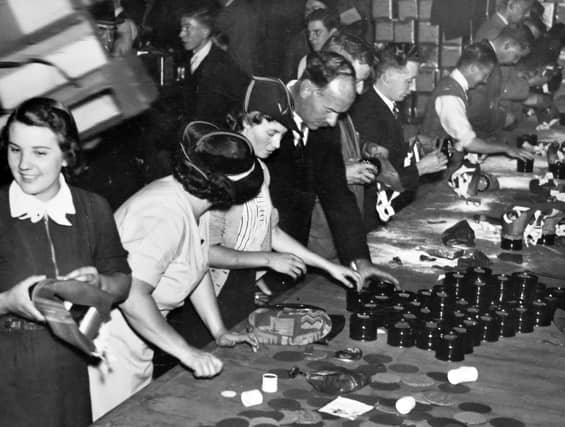

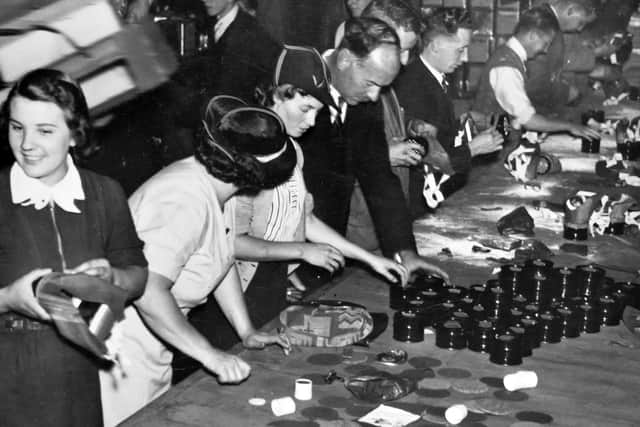
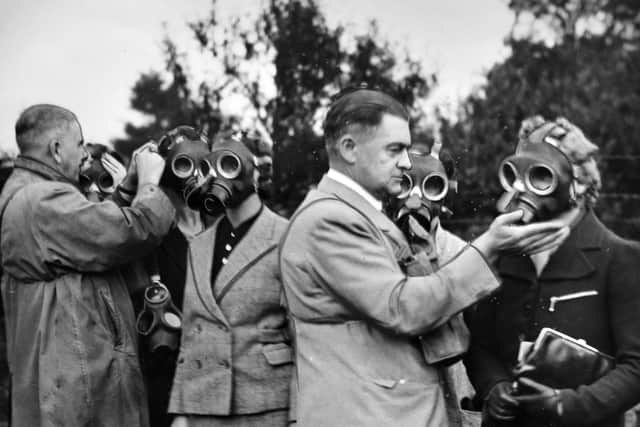
And as the gas masks arrived in Wolverhampton in September 1938 there was a big scramble to assemble and distribute them, as our archive pictures from the time show.
The backdrop was the Munich Crisis in which Hitler was demanding a land grab of part of Czechoslovakia which posed the question to Britain and France of whether they were ready to go to war over the issue.
In Britain there were air raid drills and work was done on building shelters and trenches. There was a big fear, based on the experience of the Great War, that gas would be used as a weapon, and precautions were taken to protect the population.
Wolverhampton's first instalment of gas masks arrived on Monday, September 26, 1938, and they were speedily put together during the night by volunteers toiling in fitting and distribution centres.
A police patrol car fitted with a loudspeaker toured the town streets broadcasting the message: "Police calling! Police calling! Volunteers to assemble gas masks required immediately. Please go to the depot at Raglan Street."
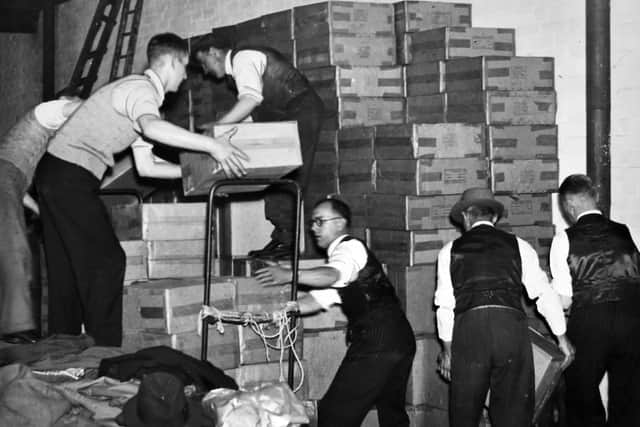
It worked. Within a short time hundreds of volunteers had made their way to the depot and worked through the night without stop on 15,000 masks. It would be a continuing process while Wolverhampton's quota of 150,000 arrived.
"At midnight the depot was crowded with hundreds of people. Practically every cinema and theatre worker in the town was there," the Star reported.
"Some came from nearby houses, and quite a number of motorists on their way home altered their course to assist in the work. While they worked at top speed hot drinks and food were passed round. As people went home after doing two or three hours' work, many more poured into the stores.
"Outside in Raglan Street and Brickkiln Street there were streams of cars at each side of the road, one being over 200 yards in length."
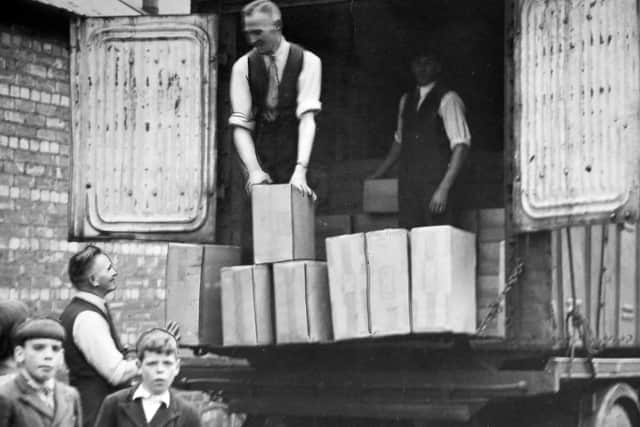
An appeal went out for drivers of all types of vans to move the masks to the key centres in the town where they were to be distributed. These ranged from Wolverhampton Civic Hall to the Holly Bush Inn on the Penn Road, and from the Butler's Sports Pavilion to the Union Cycles Stores in Upper Villiers Street, and various other places besides.
By the morning the distribution of the masks was well under way.
But within days the tensions eased with the Munich Agreement in which Britain and France caved in to Hitler's demands and Prime Minister Neville Chamberlain returned to Britain famously proclaiming "peace for our time."
Subsequent events showed that he was wrong and that Hitler's ambitions had only just started, and by the outbreak of war in September 1939 over 44 million gas masks had been distributed.
While the arrival of gas masks all those years ago has echoes of the response to the Covid pandemic, there is a difference. Wearing a face mask was made compulsory during the pandemic but, while some accounts claim carrying a gas mask was a legal requirement during the war and people were fined for not doing so, it seems this is not correct as the Imperial War Museum says: "The public were urged by the government to carry their gas masks at all times, although it was not a legal requirement to do so.
"Initially, there were instances where workplaces sent home any employees who did not have their masks and some places of entertainment refused to allow people to enter without them. During the Phoney War period – from September 3, 1939, to May 10, 1940 – many people stopped carrying their gas masks."
Comment Guidelines
Iconic Media encourages reader discussion on our stories. User feedback, insights and back-and-forth exchanges add a rich layer of context to reporting. Please review our Community Guidelines before commenting.