
Black Country locals share 15 things 'lost in time' that they miss the most
It is not unknown that our Black Country has a rich and diverse history.


But with each decade our towns have changed. The Black Country is not what it was 50 years ago.
We asked Express & Star readers what they would bring back from the Black Country's past – and over 450 people responded, many with mutual thoughts.
Here's a selection of the top things that locals miss most.
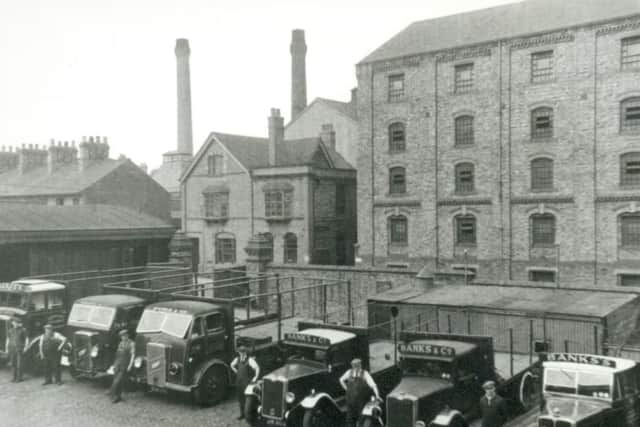
1. Banks's and Hanson's pubs
In the late 1800s, a merger took place between the Banks's & Co brewery and the Victoria & Dudley Breweries. Since that merger, in 1890, the company expanded massively, snapping up a string of local breweries and pubs in the early decades.
The company changed its name to Marston's in 2007, which sadly saw many Banks's pubs in Wolverhampton and the Black Country being rebranded.
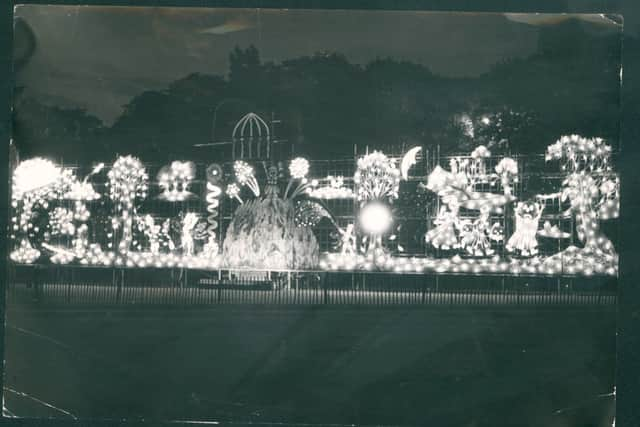
2. Walsall Arboretum Illuminations
A huge annual light display in Walsall Arboretum ran every year between 1951 and 2008 as part of Walsall's Festival of Britain celebrations. Fears over the future of the lights extravaganza then began to raise, but council chiefs insisted it was under review.
In 2011, it was announced that the illuminations would not be returning. It emerged that the show was losing £200,000 a year and suffering from dwindling numbers.
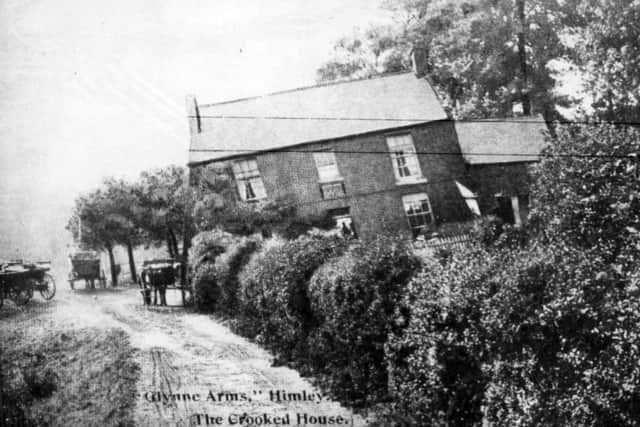
3. The Crooked House
Built in 1765, the quirky and historic pub was known by the nation for its wonky interior. It was sadly destroyed by a fire in August 2023.
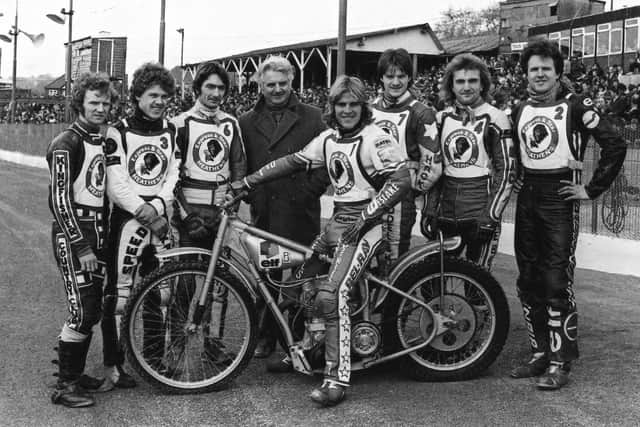
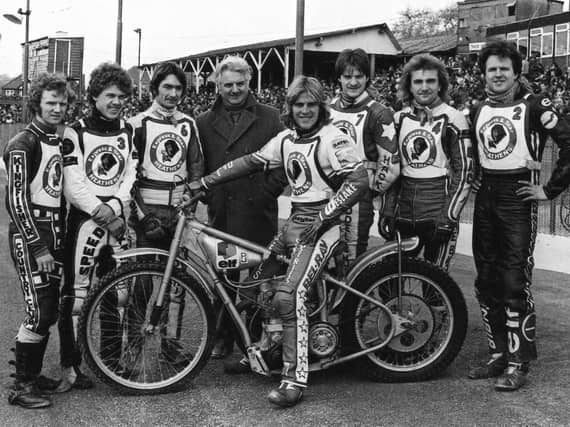
4. Cradley Heath Speedway
Originating in Dudley, the motorcycle speedway team Cradley Heathens were founded in 1947. The team competed primarily at the top level of British speedway at Dudley Wood Stadium until its closure in 1995. The team was revived as Dudley Heathens in 2010, but had their final season at the 2019 National League Speedway, where they finished in fourth place.
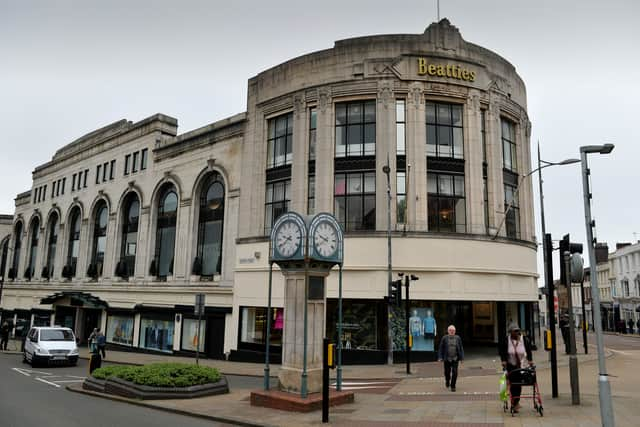
5. Beatties, Wolverhampton
The department store was first opened in 1895 and employed 30 people, operating as a staple of the city for more than 150 years before being bought out. Plans are now in place to convert the building into apartments.

6. Walsall Market
The bustling market was held in High Street since circa 1220 according to Walsall Council. The town thrived as a market town and had a primarily agricultural economy for centuries.

7. Bilston Steel Works
The Bilston Steel Works was situated in Springvale and was taken on by the Hickman family in 1866. Between 1866 and 1883, six new blast furnaces were built there.
In 1882 Hickman set up the Staffordshire Steel and Ingot Iron Co. Ltd. for the purpose of local manufacture of ingot, iron and steel by the Thomas Gilchrist process. This gave him the edge over other manufacturers and turned Bilston from an iron town into a steel town.
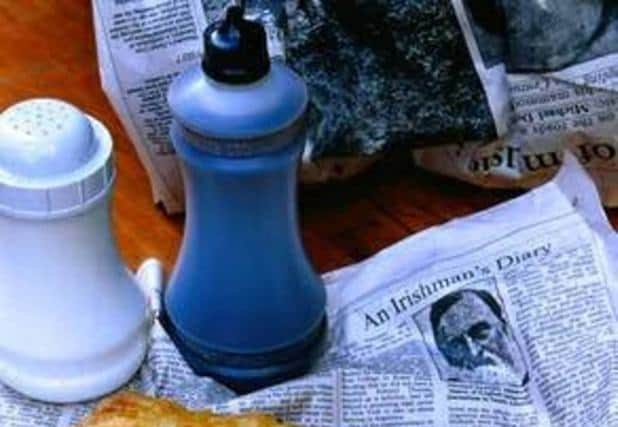
8. Chips wrapped in newspaper
Readers miss getting their chippy dinner wrapped in newspaper, the best method of insulation for a tasty tea – and getting in tune with current affairs at the same time...
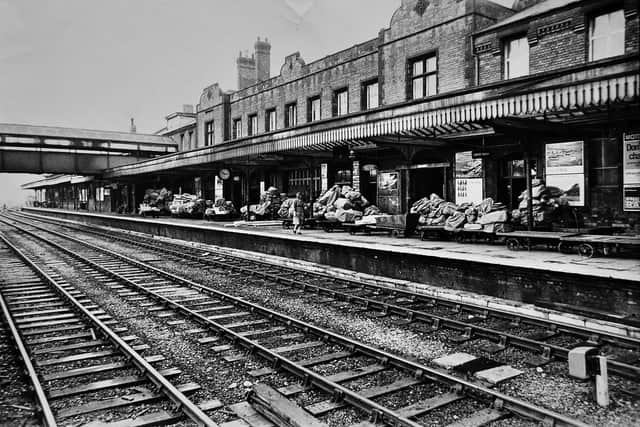
9. Walsall's old railway station
The railway came early to Walsall, with the first line, the Grand Junction Railway, opening in 1837 from Birmingham to Warrington. The South Staffordshire Railway opened the Cannock line in 1858, increasing passenger and coal traffic to Walsall and the Black Country. In around 1900, Walsall Station had approximately 1,000 train movements in 24 hours and provided jobs for more than 200 guards, porters, shunters, clerks and officials.
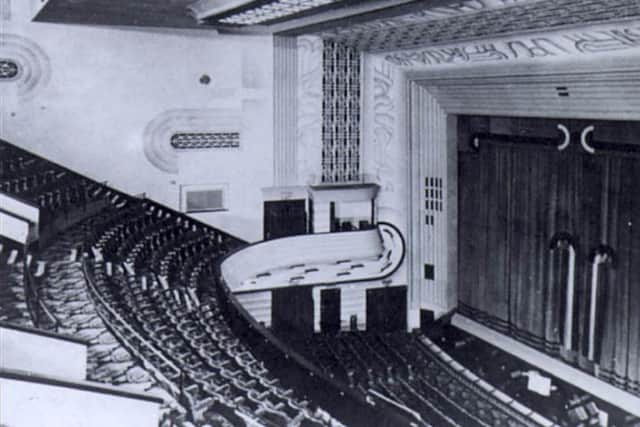
10. Dudley Hippodrome
The Hippodrome was built in 1938 on the site of the Dudley Opera House. The disused theatre had not hosted live entertainment since 1974 but remained as a bingo hall until 2009. It was demolished in 2023 to make way for a new university campus.

11. Willenhall Swimming Baths
Readers miss the leisure centre, which was opened in 1938, where some would go after school on a Monday night or as a teenager every day. They would also enjoy dancing in the hall on a Saturday night during the winter.
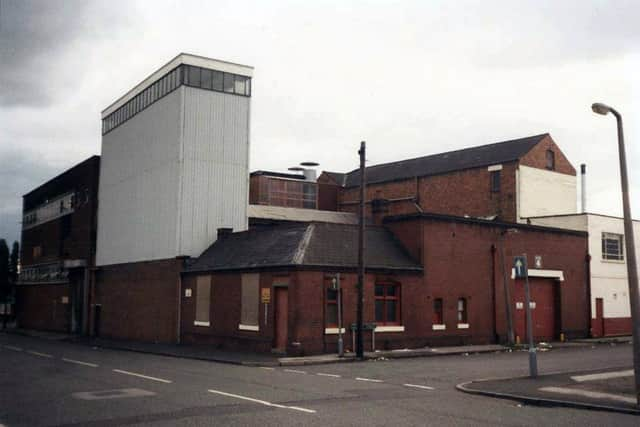
12. Hickinbottom's Bakery
Another fond memory was the fresh hot bread baked at Hickinbottom's on Stafford Street. Readers reminisced on the delicious smell of tasty baked goods.
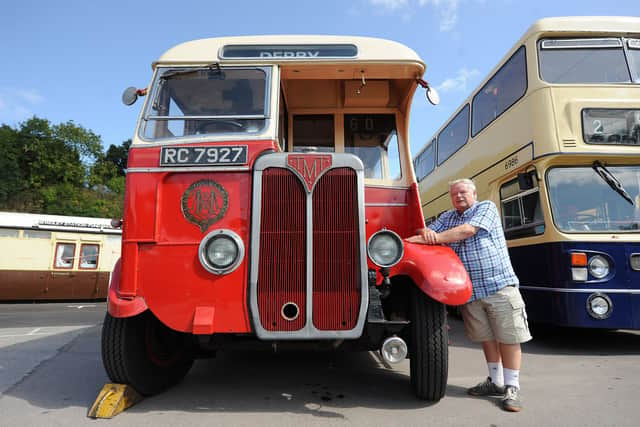
13. Midland Red buses
The iconic red buses played a big part in the lives of Midlands folk since the early 20th century and clearly still has some loyal enthusiasts.
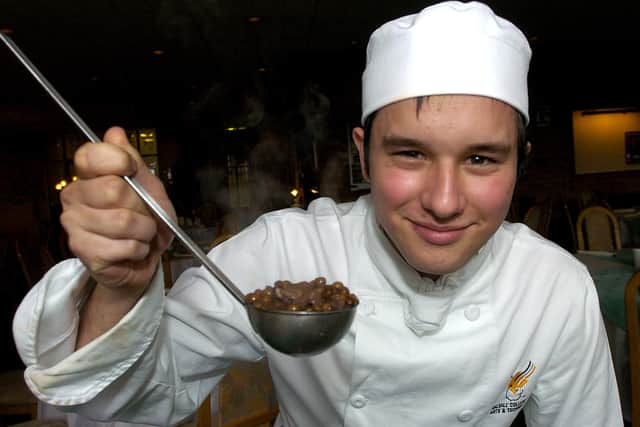
14. Grey peys and bacon
The Black Country is famous for many things, but grey peas and bacon is a firm favourite of our readers', and could be found on the menu at most pubs – a comforting pot of peas, bacon, and onions. The dish is often associated with bonfire night and Ash Wednesday.
However, there was one memory that most popular.
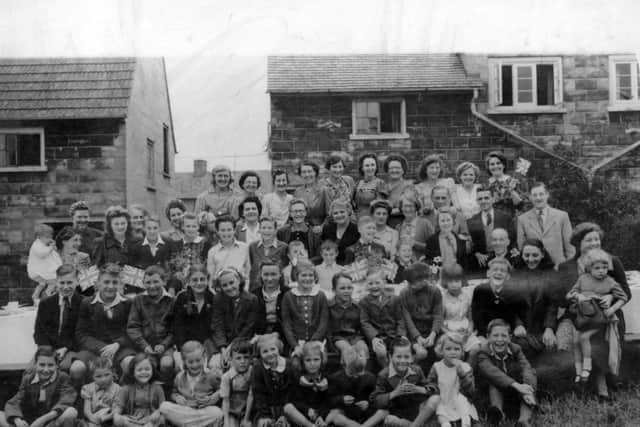
15. 'Neighbourly togetherness, respect and community'
Over 100 of our readers agreed that they miss the 'togetherness' they once felt in their neighbourhood, where people pulled together.
Wilfred Pringle commented: "[I miss] The old days when kids showed respect."
Debbie Louise said: "Dignity and respect."
Debbie Slater misses a 'proper community and respect to the elders'.
Our readers all agree that in a fast-moving world, the most important thing is to be kind, respectful, and to help others as much as one can.
Comment Guidelines
Iconic Media encourages reader discussion on our stories. User feedback, insights and back-and-forth exchanges add a rich layer of context to reporting. Please review our Community Guidelines before commenting.