
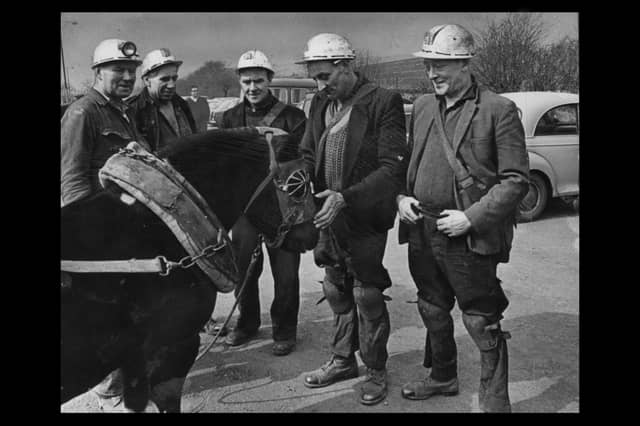

They can reclaim the landscape, but they can’t remove the memories.
For generations boys and men went underground to bring out the coal under Cannock area. Now, all finished, all gone. Mining wasn’t just a job, a dirty, hazardous job at that. It was a community, a mesh between people and families, creating bonds and understandings. Mining towns were proud towns. Pit mounds and pit heads were beacons in the landscape of a way of life which spanned the ages.
The closure of Littleton Colliery in 1993 brought down the final curtain in the Cannock district. But we can still remember this aspect of the area’s heritage with a selection of pictures from our archives. Of course, they only scratch the surface of the local mining tradition, but they do help us celebrate and honour a proud, disappeared industry, and those who devoted their lives - and in some cases gave their lives - to it.
- Take a trip back to Wolverhampton in 1969 with 61 nostalgic pictures sure to bring back memories - view them here.
- You can enjoy this and more with our weekly FREE Nostalgia Newsletter - with scores of archive pictures and exclusive features on the history of Wolverhampton, Staffordshire and the Black Country - all sent to your inbox every week. Sign up here.
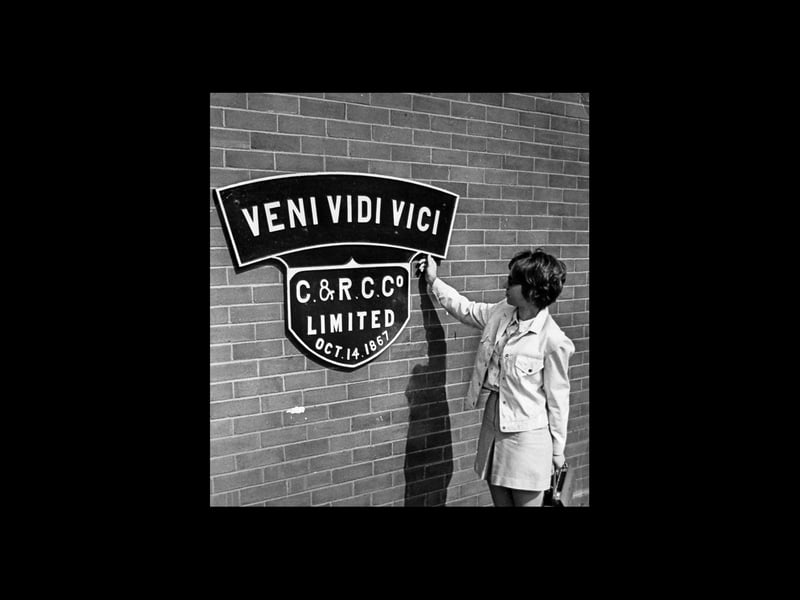
5. We came, we saw, we dug
Julius Caesar's words about the Roman conquest of Britain - translated as I Came, I Saw, I Conquered - also made a fitting tribute to the men who sank the first shaft at Cannock Wood Colliery. The plaque was put on an underground ventilation furnace to record the opening of the pit by the Cannock and Rugeley Colliery Company. It was brought to the surface and put on the side of the colliery offices when the pit celebrated its centenary in 1967 - the foundation date on the plaque is October 14, 1867. The girl with an eye for history is 16-year-old Joy Cox, of Rawnsley, seen here admiring the plaque in April 1969. | Express & Star archive
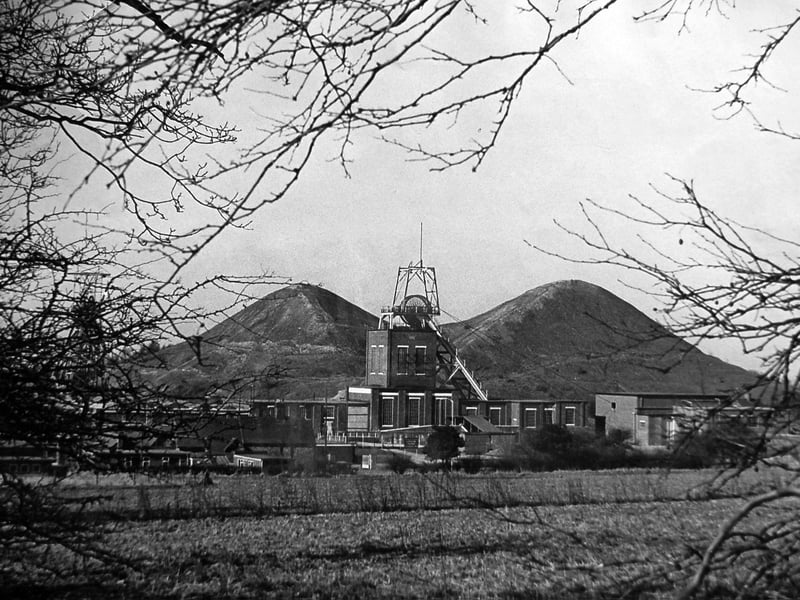
6. Looking for support
These mounds on the skyline were known as Mae West by the miners at Huntington, after the famous Hollywood actress. At an estimated three million tons, Mae was an industrial starlet once seen and never forgotten. At the time of this March 1969 picture a row of wooden pegs climbing the mound nearest Cocksparrow Lane had set folk wondering whether the National Coal Board was planning to give the mounds some reduction surgery. However, a board spokesman was reassuring. "The measuring rods are just a common form of movement check made periodically on pit mounds," he said. Huntington's wartime Home Guard used one summit for the oddest observation post in Britain - a piece of steel pipe with a door cut in the bottom and a lid for the roof. | Express & Star archive
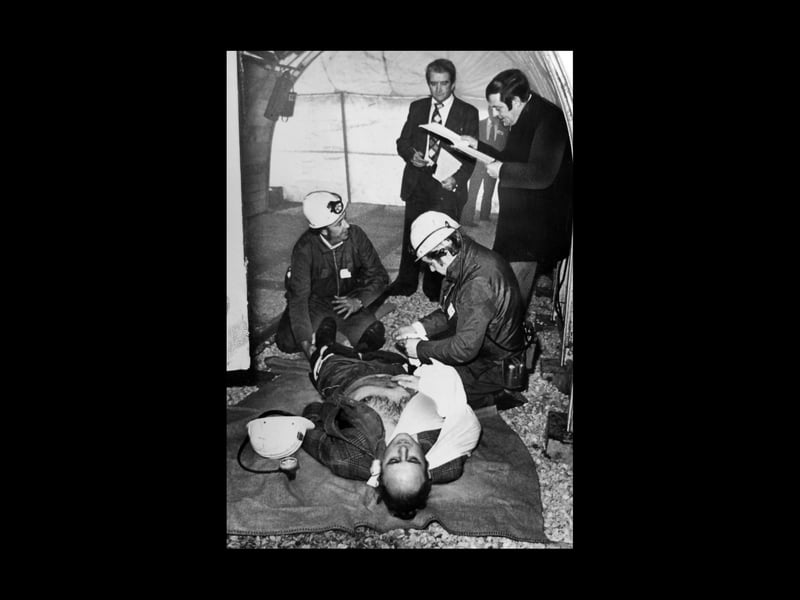
7. No humans were harmed
Judges watch intently to mark every move as miners test first aid skills on a "casualty" at Cannock in November 1976. Some colliery teams travelled long distances to take part in an NCB Western Area First Aid League "match." They used this replica of a mine gallery and other props to give the tests an authentic atmosphere. | Express & Star archive
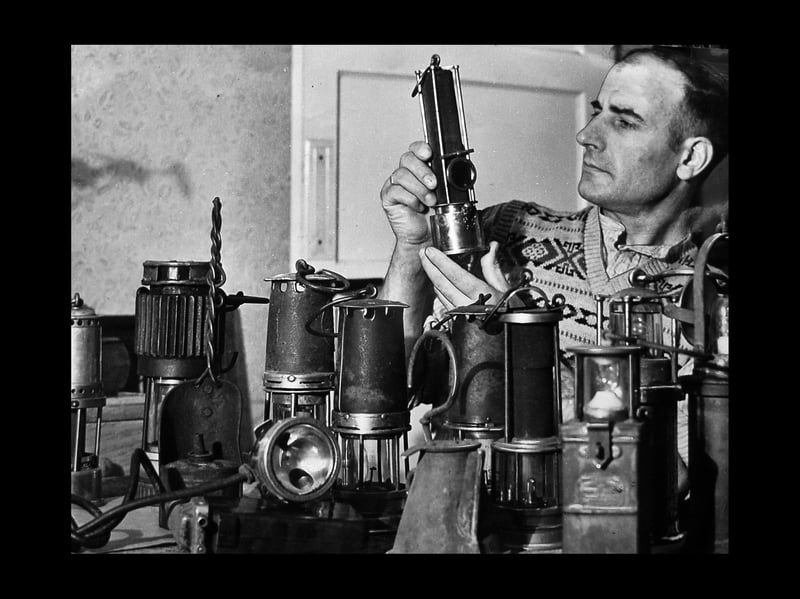
8. You light up my life
Cannock miner Bert Pritchard had a collection of miners' lamps, which included one over a century old, and another of a type in use for nearly 200 years. The picture is from 1955. | Express & Star archive