
Wolverhampton blood condition expert hails success of drug trial

One of the experts behind the clinical trial said he was immensely proud to see the drug now available on the NHS for patients.
A leading blood condition consultant has spoken of his pride at the success of a trial around a drug designed to treat an incurable type of blood cancer.
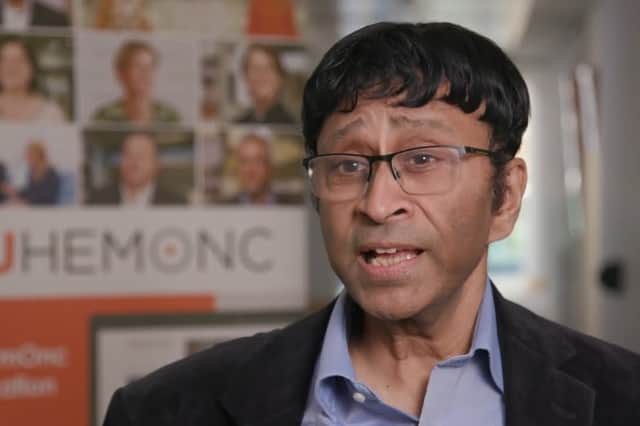
Professor Supratik Basu, Haematology Consultant, The Royal Wolverhampton NHS Trust and University, said it was a major step forward for the treatment of Multiple myeloma that a clinical trial had been successful.
The National Institute for Health and Care Excellence (NICE) has recommended DARZALEX® (daratumumab) with bortezomib, lenalidomide and dexamethasone (D-VRd) for untreated multiple myeloma in adults when an autologous stem cell transplant (ASCT) is unsuitable, in its Final Draft Guidance.
This recommendation means that eligible patients can soon be treated with D-VRd, the only UK-licensed subcutaneous CD38-directed antibody combination for multiple myeloma, on the NHS in England and Wales.
Multiple myeloma is an incurable type of blood cancer affecting 33,000 people in the UK, and, over time, myeloma becomes resistant to treatment, making it more difficult to treat with each relapse.

As a result, it is important that people with myeloma receive the most effective treatment at first-line, since subsequent lines of therapy may become less effective.
This is particularly important for those who are ineligible for an Autologous Stem Cell Transplant (ASCT), accounting for approximately two-thirds of all newly-diagnosed myeloma patients, which is often considered the “gold standard” treatment.
Professor Basu said the trust had been asked to take part in the study by Johnson & Johnson and had brought in patients from across the city and further afield, so had a large cohort of patients for the study and said it had been a great success.
He said: “This study has shown that the treatment has actually improved the outcome of these patients with bone cancer even further and that has now significantly improved the outcome.
“It has been published in very large international journals in America, such as the Nature Medicine, one of the most prestigious medical journals in the world, and, since then, the NHS has been assessing the cost-effectiveness of the therapy.
“The good news is it has now been accepted as a standard of care for NHS patients and means that anyone who fulfils the criteria can have this combination of drugs, which will significantly improve their survival compared to what we were doing before.”
Professor Basu said he felt immense pride that Wolverhampton had been at the forefront of the work to deliver the studies and trials against some of the more established centres and said there was still more work to come.
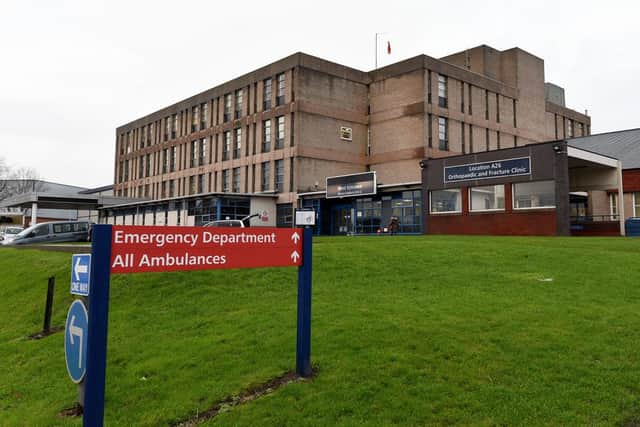
He said: “We are one of the flagships of a trial centre based in Wolverhampton, where our local population can access and take advantage of this trial unit or the site at New Cross Hospital, which is at the forefront of studies and trials around blood cancer.
“It’s amazing that we are where we are as we’re not a big university hospital like Cambridge or Oxford, but we compete with these places and, apart from Birmingham University Hospital, we’re the second largest unit for research and trials.
“This is a great achievement, but it’s also not the end of the study as we’ve got three or four new studies opening up here, based on our track record, which is again looking further beyond what we are getting now, so that’s really good for the patients.”
Comment Guidelines
Iconic Media encourages reader discussion on our stories. User feedback, insights and back-and-forth exchanges add a rich layer of context to reporting. Please review our Community Guidelines before commenting.