
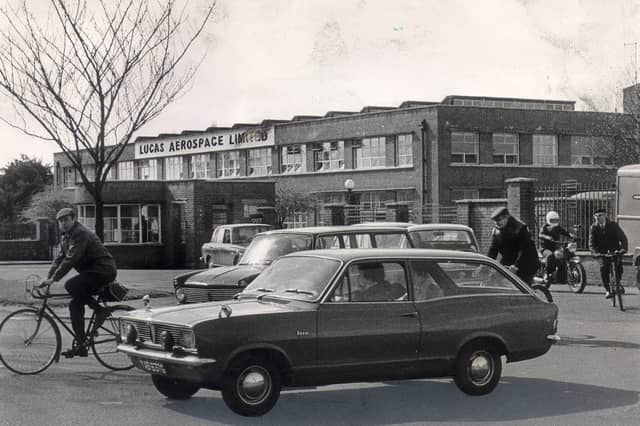

Take a trip back to 1973 and see Wolverhampton as it was, from familiar streets and landmarks to the people and places that made the town tick.
From the final days of traffic rolling down Dudley Street before pedestrianisation and the sweeping housing redevelopments transforming Whitmore Reans and Low Hill, to busy assembly lines at Norton Villiers and S B S Trailers, these archive photographs capture a town in transition.
Alongside major civic milestones – including the move of the cramped Wulfruna Street Wholesale Market and plans to give a green-tinged Prince Albert statue a Queen Square facelift – this collection also revisits the quieter moments that shaped local life in 1973. These include families enjoying the water at East Park pool during the summer heatwave and members of Wolverhampton Cricket Club watching their team compete in the National Club Knockout final from the famous pavilion balcony at Lord's.
Share your memories and thoughts in the comments.
- You can enjoy this and more with our weekly FREE Nostalgia Newsletter - with scores of archive pictures and exclusive features on the history of Wolverhampton, Staffordshire and the Black Country - all sent to your inbox every week. Sign up here
- For anyone curious about where their own family story leads, MyHeritage DNA kits are currently £19.90, excluding shipping. The test can help explore genetic origins and identify DNA matches who may share branches of your family tree. This is an affiliate link. We may earn a small commission on items purchased, but that does not affect our editorial judgement.
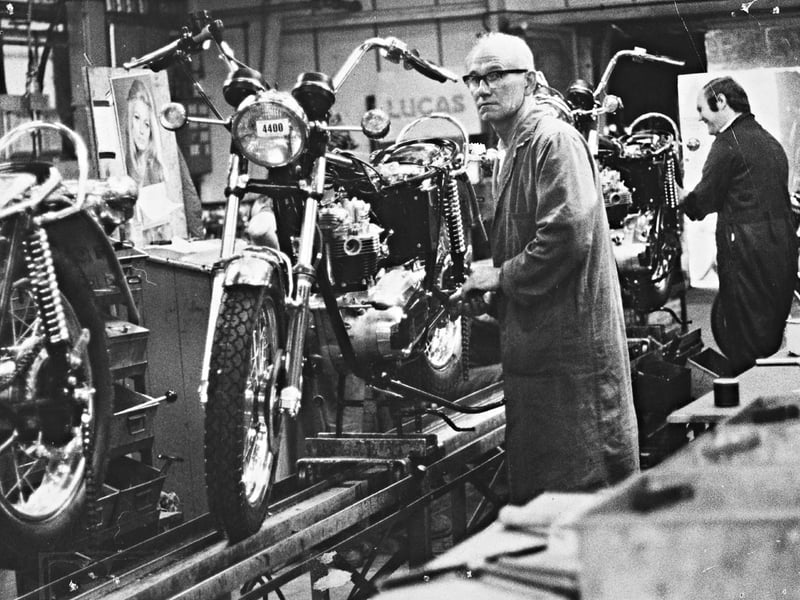
17. Craftsmanship on the Marston Road motorcycle assembly line
Working steadily beside a line of gleaming machines along the track, a craftsman in a workshop coat assembles a motorbike on the production line at Norton Villiers on Marston Road in Wolverhampton on October 6, 1973. Framed by rows of finished and part-built bikes with a Lucas sign visible on the factory wall behind, the scene captures the proud engineering heritage of one of the town's most famous manufacturers. Do you remember working at Norton Villiers on Marston Road in the 1970s, or riding one of their Wolverhampton-built motorcycles? | Express & Star archive
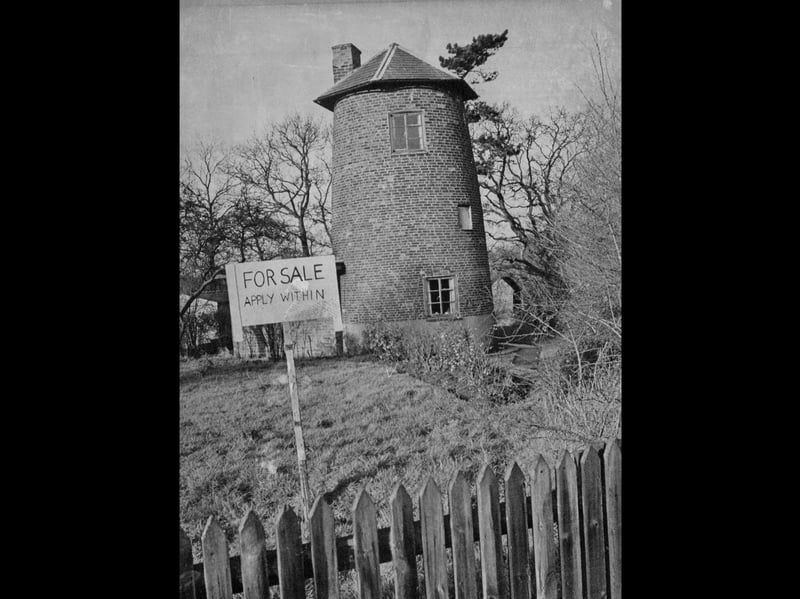
18. For sale sign sparks rush of interest in Castlecroft landmark
Standing behind a wooden picket fence and a bold "For Sale - Apply Within" sign on a grassy rise, the red-brick windmill that gives its name to Windmill Lane in Castlecroft, Wolverhampton, is pictured in January 1973. Disproving any suggestion that only mice would want to live inside, the distinctive tower sparked around 40 inquiries from prospective buyers within just three days of going on the market. Do you remember the Castlecroft windmill going up for sale in 1973, or recall how the landmark looked back then? | Express & Star archive
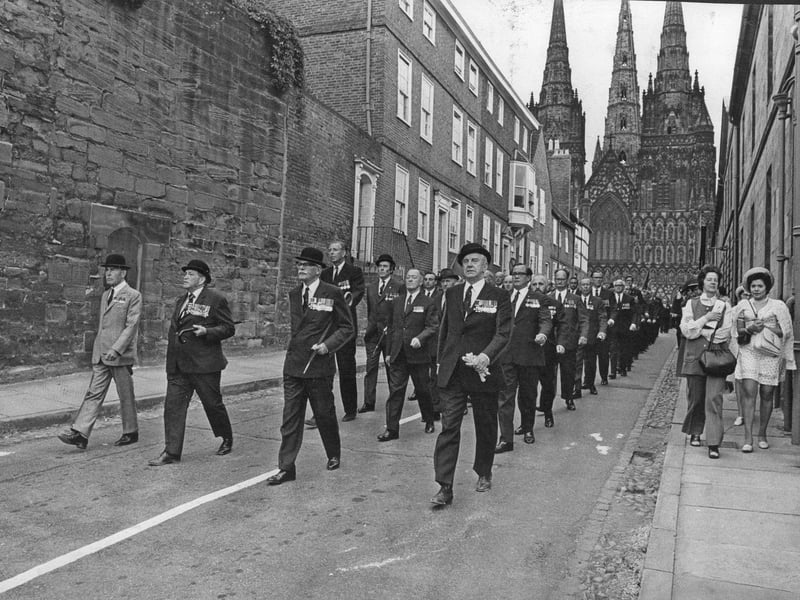
19. Chindit veterans march past cathedral spires for standard dedication
Wearing bowler hats, dark suits and rows of campaign medals, members of the Chindits Old Comrades Association - whose headquarters were based at Fallings Park in Wolverhampton - march away from the towering spires of Lichfield Cathedral following the dedication of their national standard in June 1973. Around 250 former Burma campaign commandos and their families attended the service led by the Dean of Lichfield, Bishop George Holderness, before Captain O J Wingate, son of their wartime leader General Orde Wingate, took the salute at the Guildhall march-past. Do you recognise any of the veterans marching in this 1973 parade, or remember the Chindits Old Comrades Association in Fallings Park? | Express & Star archive
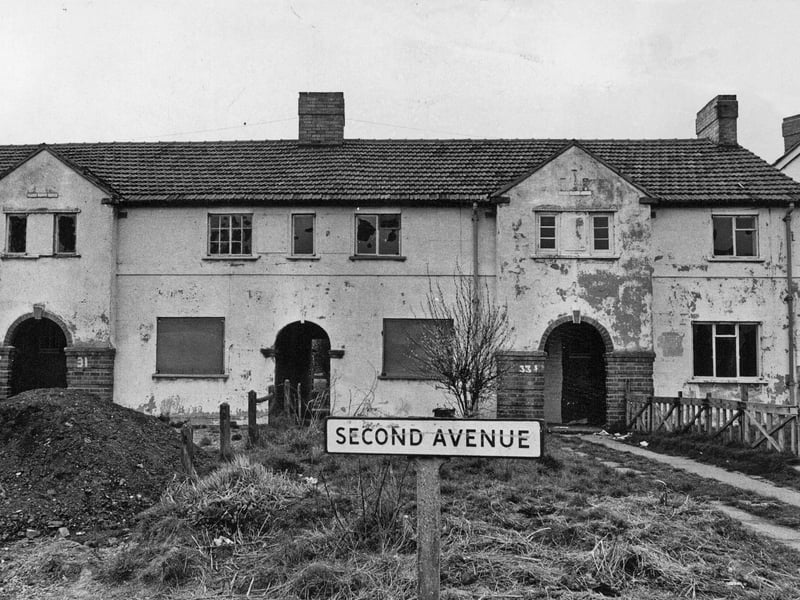
20. Major face-lift transforms pre-war homes on Low Hill estate
Standing behind boarded-up windows, a mound of excavated earth and a Second Avenue street sign, pre-war council homes on Wolverhampton's Low Hill estate are pictured undergoing an extensive inside-and-out modernisation on April 19, 1973. Although the £3,737-per-house scheme sparked controversy over a 30 per cent cost rise from its original £2,800 estimate, local residents like 74-year-old Fourth Avenue pensioner George Rowe praised the transformation for making the properties look like new luxury homes built to last. Do you remember living on the Low Hill estate during the 1970s, or recall these pre-war homes getting their big makeover? | Express & Star archive