
What is the 'super El Nino' - and does it mean potential droughts for the West Midlands and Staffordshire?

The phenomenon is expected to drive up temperatures across the world next month.
According to some meteorologists, the UK could be in for a prolonged hot and dry summer this year, as climate scientists predict that ‘El Niño’ is just around the corner.
The change in climate pattern, which some scientists are referring to as ‘super El Niño’, is expected to bring a drastic change to weather patterns globally, supercharging extreme weather events, and raising temperatures across the globe.
While mainly affecting the tropical Pacific Ocean and its surrounding regions, that doesn’t mean that the UK will remain unaffected, as the El Niño could increase the likelihood of higher temperatures over the summer period.
But what does all of this mean to the West Midlands?
‘What is a super El Niño?’

An El Niño occurs when the tropical Pacific naturally transitions between two warmer and cooler weather patterns, which are known as El Niño and La Niña.
The cooler phase of the two, La Niña, has been present since December 2024, and usually sees a cooler global temperature as a result.
However, El Niño is the opposite, and with it comes a chance for much drier and warmer spells of weather than normal.
The World Meteorological Organisation (WMO) previously predicted that El Niño would return this year as early as May or June.
Talking of the weather change, Wilfran Moufouma Okia, chief of climate prediction at the WMO, said: “After a period of neutral conditions at the start of the year, climate models are now strongly aligned, and there is high confidence in the onset of El Niño, followed by further intensification in the months that follow.”
Some meteorological groups predict that the upcoming El Niño could be particularly strong, with some now branding it a ‘super El Niño’.
What does this mean for the West Midlands and the surrounding regions?

El Niño is associated with a rise in global temperatures, with 2024 still currently being registered as the hottest year on record, which occurred in the last El Niño phase.
Despite being in the cooler period of the two, 2025 was still registered as among the warmest years on record in the UK, according to the Met Office.
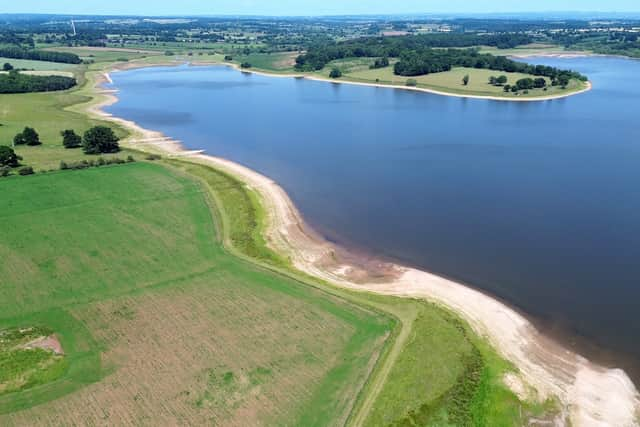
Last year saw a number of drought actions being enforced across the UK and the West Midlands, and reservoir levels falling significantly lower than average.
During the period, Blithfield Reservoir dropped to 47.5 per cent, whilst Tittesworth Reservoir was reported at 56 per cent, with water restrictions being urged across the region.
Does this mean another drought for the region?

Due to our distance from the Pacific, the impact of an El Niño is less predictable.
However, the UK can be influenced indirectly by the global rise in temperature.
Typically, an El Niño event brings warmer weather to the UK during summer, and also increases our likelihood of experiencing colder temperatures during the winter period.
Whilst the drought status in 2025 struck during the La Niña phase, it is unknown yet exactly how this El Niño will affect us directly.
Comment Guidelines
Iconic Media encourages reader discussion on our stories. User feedback, insights and back-and-forth exchanges add a rich layer of context to reporting. Please review our Community Guidelines before commenting.