
West Midlands fire chief speaks out on the dangers of lithium-ion batteries following a series of local incidents
Firefighters have fought dozens of blazes involving lithium-ion products including at scrap yards and recycling centres across the West Midlands.

Between April 2022 and April 2023 West Midlands Fire Service tackled a total of 26 incidents at scrap yards and recycling centres, with recent weeks seeing at least four more incidents across the Black Country including in Smethwick and Aldridge.
The brigade's station commander for investigation and fire prevention Matt Ling explained: "Any lithium battery, be it vapes, scooter or mobile phone batteries, will react if it's damaged and introduced into the general waste systems."
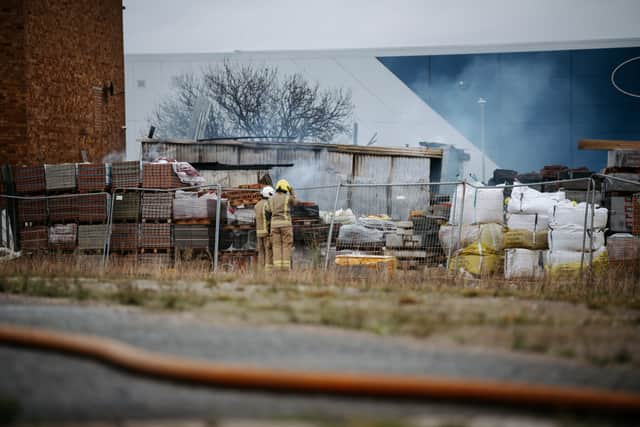

"We have had instances of these types of fires in the West Midlands in recent months. The issue is that when lithium-ion batteries are wrongly recycled, they can suffer damage through piercing or bending, and then they go into what we call thermal runaway, which is a sudden intense heat over a short amount of time.

"Because of where these fires happen, the fire is often surrounded by other flammable materials such as food waste, and cardboard. That is where we have been getting these large fires we have been seeing over the last few months."
Flammable and toxic gases
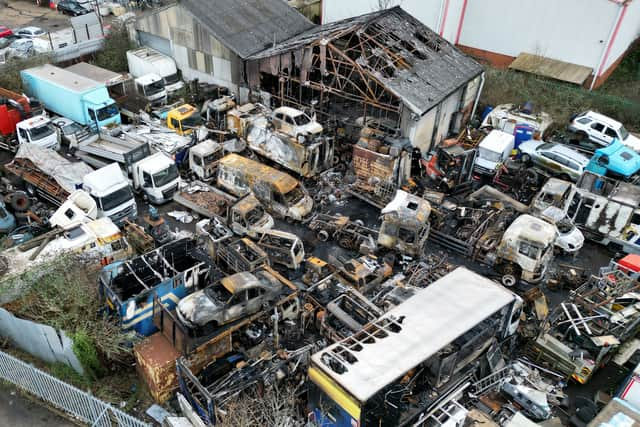
While fighting a lithium-ion battery fire can be similar to battling a 'regular' non-battery fire, the fire service said there is an added risk due to toxic fumes, flammable gases expelled by the lithium cells and possible re-ignition.
Commander Ling added: "There isn't a major change in the way we handle these fires, but the operational tactics often differ because of the evolution of the fire.
"These types of fires generally expel a number of flammable but also toxic gasses, these can also cause an explosive atmosphere, which is dangerous to our personnel and also any members of the community that are in the nearby area.
"It means that we can see a very rapid fire spread over a wider area, leading to very difficult circumstance that often requires a lot of water and added resources. We also have the additional hazard that once they have been on fire they can, without notice, reignite. So again, it can mean an increase in fire service resources to handle that potential reignition."
Lithium-Ion
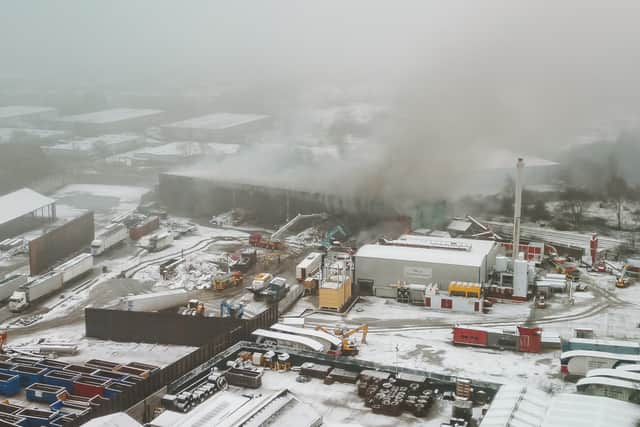
The increase in fires comes as it was announced that lithium-ion battery-fueled single-use vape devices will be banned from June 1 - possibly meaning a short-term increase in the number of vapes ending up in our bins.
"Any lithium-ion battery that is introduced into the normal waste recycling system poses a potential risk. Any of these products have the potential to react the same way if it's damaged and introduced into the waste system without going through the proper disposal procedures. When these batteries are damaged or involved in a fire, they go into thermal runaway, which is the rapid generation of intense heat over a short amount of time."
Updated advice
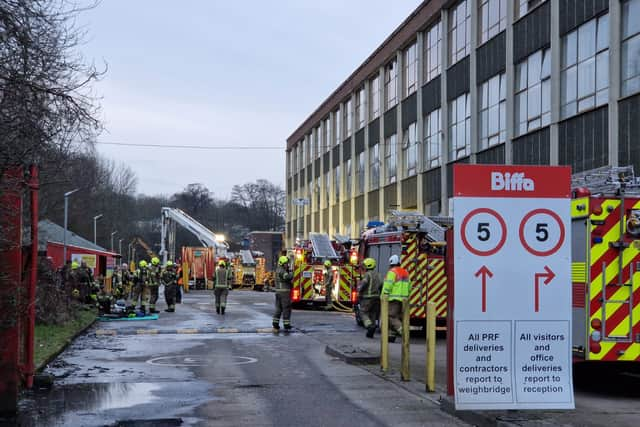
West Midlands Fire Service has also released advice on safely storing and disposing of lithium-ion battery products in our home, saying the first line of defence is "always working smoke alarms".
"First of all, with any property that someone lives in or works in, always have working smoke alarms, that is your first line of defence in an incident.
"In terms of E-bikes, make sure they are always charged and never in a fire escape route and always use the charger that is designated for that battery, Don't swap batteries, and always buy from a reputable dealer."
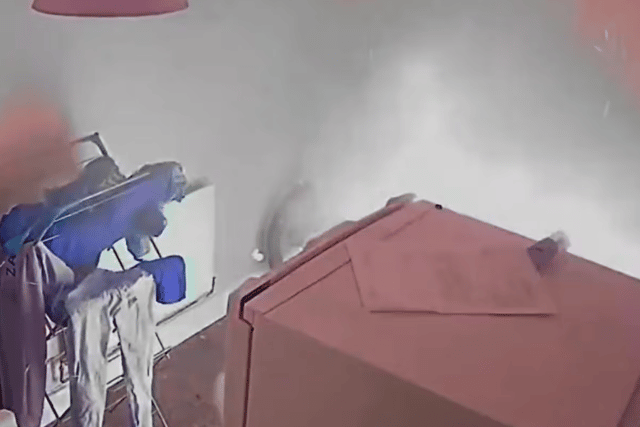
"If you're buying an unregulated batter or bike-conversion kits, the risk of a fire goes up exponentially."
"We would ask everyone to utilise local waste recycling centres for their batteries, they have specific facilities for the safe disposal of the batteries, or alternatively at the supermarkets in the area as they are required to have safe disposal centres," he added.
The figures relating to the incidents in 2024 are being collated.
Comment Guidelines
Iconic Media encourages reader discussion on our stories. User feedback, insights and back-and-forth exchanges add a rich layer of context to reporting. Please review our Community Guidelines before commenting.