
‘We thought we’d be shut for two weeks – we never realised how bad it would be’: How Covid shook West Midlands pubs and cafes to the core
It was sudden. One day pubs and restaurants were operating as normal, the next they were closed indefinitely as Covid closed in.

The pandemic was a once-in-a-lifetime event which affected everyone in some way, shape or form and left an impact on different industries which are still being felt now.
Within the food and drink industry, the impact was almost immediate, with the UK Government taking the drastic steps to close all pubs, bars and restaurants, as well as cafes and other non-essential premises on March 20, 2020, as a response to the rising threat.

While shops that sold alcohol, such as supermarkets and off-licences, as well as farm shops, were able to remain open, due to being designated as "essential services", the lockdown saw the two industries effectively ground to a halt for nearly four months.

The pandemic resulted in a significant economic impact, especially in the hospitality sector, due to a decline in tourism and leisure activities and the public being urged to stay at home to reduce the spread of Covid-19 during lockdowns.
Apart from the controversial Eat Out to Help Out scheme, a scheme which many experts said may have caused a further spread of the virus and led to the winter lockdown, the industry did not begin to revive fully until April 2021, with a gradual reopening of venues and the majority of restrictions being lifted on July 19.
The restrictions up to that date had seen groups of six or two households of any size able to meet inside, with groups of 30 allowed outside, and people had to order, eat and drink while seated in places where alcohol is served, while social distancing was encouraged and capacity limits were in place.

The impact of the pandemic was particularly felt by venues such as the Royal Oak pub in Chapel Ash in Wolverhampton and at Canalside Farm, Shop & Cafe in Great Haywood in Stafford, both of which found themselves forced to close their doors to the public on March 20, 2020.
Terry Cole, who is the co-licensee at the Royal Oak with his wife Emma, said the announcement by the Prime Minister Boris Johnson had been a shock, but he hadn't expected lockdown to last as long as it did.
He said: "We realised the scale of it on the night when Boris shut us down, as it came about 5pm in the evening when he made the announcement and there was the realisation of what was about to happen, but he did say it might be two weeks.
"We didn't think it would be as bad as it would be to start off with, but then two weeks became a month, then it became three months and you suddenly realised the scale of the lockdown and being completely isolated."
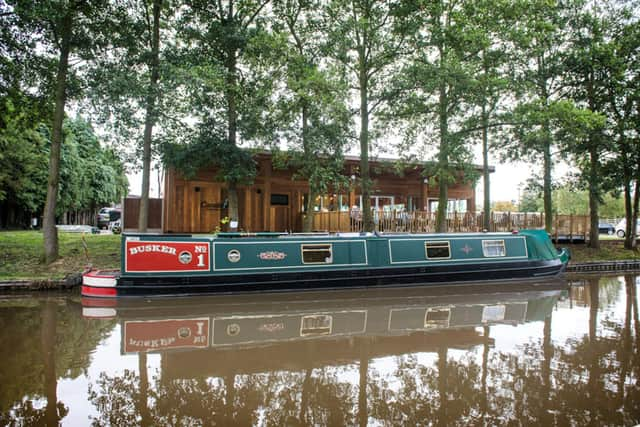
For Anna Barton at Canalside, the scale of the pandemic also only hit home when the lockdown was announced and they entered what she called unchartered waters.
She said: "We'd been at an awards ceremony at the start of March and people were talking there about it and saying how it was abroad and it would never come here and people were hugging and kissing, so it felt like this ethereal thing that was never coming here.
"But we had the news of the lockdown on March 20, we were at the parents-in-law and we realised we had to close the cafe at the farm straightaway and, because it was before Mothering Sunday, we had to ring around and cancel the bookings and return their deposits.
"After that, it was into unchartered territory as we didn't know what happens with all the staff, what furlough was and whether it was going to be applicable to us, so it was all a bit of blind-sided thing."
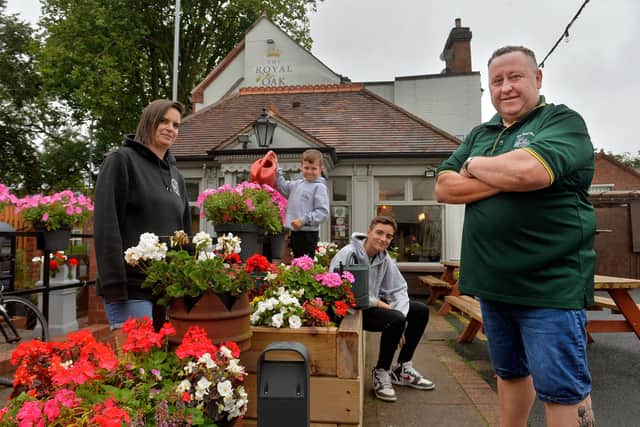
Both Terry Cole and Anna Barton said it had been a very uncertain time due to not knowing when they could reopen, how they would pay the bills and what the future held, although they did also find that there were some pluses to the situation.
Terry Cole said: "For myself and Emma, there was the benefit of spending more time with our children, which we don't get to do a lot of in this job, so that was a good thing.
"However, mentally, it was a worry as we didn't know where we were going to make money as we couldn't make any money from people coming in.
"Marston's were very good with us though, with them filling us in on information on Zoom calls and reducing our rent and helping us when we had to destroy beer, plus Emma was amazing at finding out what grants were coming out and hunting them down, which helped keep the business alive."
Anna Barton said: "We were lucky in a sense because the farm shop was able to stay open as it was classed as an essential business due to being a food shop, so we were able to relocate a lot of staff to the shop from the cafe.
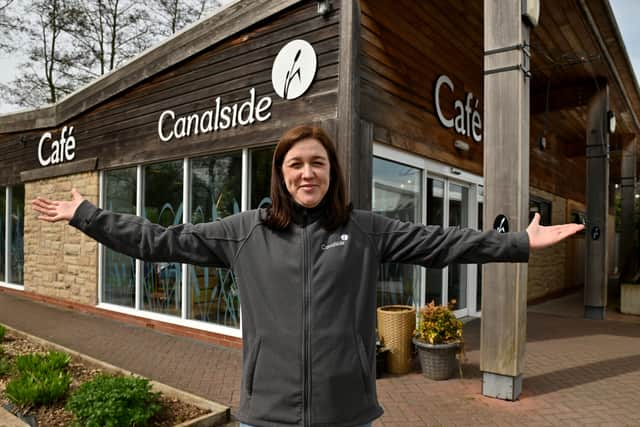
"There was that fear of the unknown, of course, as we didn't know how long we'd be closed for and how we were going to pay staff with no income coming in, so it was definitely a worrying time with no information coming in."
Both venues were able to make use of their outdoor spaces, with the Royal Oak installing an outside bar and a full tented area to allow for socially-distanced seating, while Canalside operated a food truck and coffee hut in its car park, allowing people out on walks to get a takeaway coffee.
Anna Barton said the cafe had also been part of the Eat Out to Help Out scheme, but said she had been confused about the idea behind it.
She said: "It was confusing, to be honest, as it felt like you were encouraging people to come out very quickly after months of being told you couldn't mix together, so we were super busy and it was great from a business standpoint, but felt strange going from one extreme to another.

"It never really computed for us as to the reason why they wanted hospitality to come back and thrive as it went away from the message of isolating and keeping away from people."
Both the Royal Oak and Canalside Farm said they were able to come out of the other side of the Covid-19 pandemic lockdowns relatively unscathed and become vibrant and popular places for people to go.
However, both Terry Cole and Anna Barton said they had learned from the lessons of the pandemic and the effect it had had on society as a whole.
Terry Cole said: "A lesson that I take from it is that we had to learn a lot and learn on our feet a lot quicker and become a better business through learning new things and adapting to what society wanted.
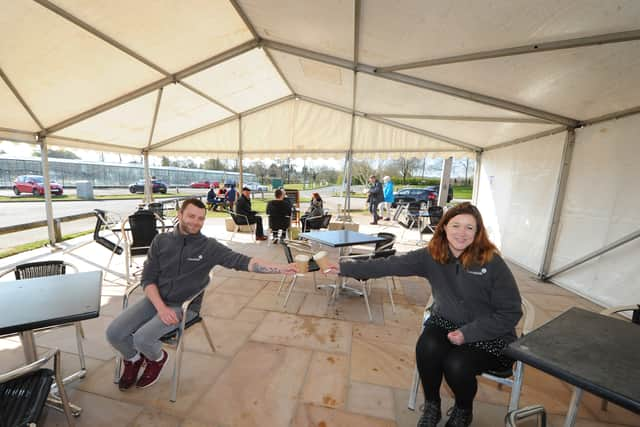
"We're never going to get back to what we had before, but it's made us learn and be better, but we are still going and fighting and we've got that community spirit that we put back into Chapel Ash, so we work hard to look after people and be part of that community."
Anna Barton said: "We were very lucky to have the farm shop and that took a lot of the pressure off, so we felt that any revenue lost in the cafe was made up from the shop.
"Ever since Covid, we've been busy and growing and thriving and I think being a daytime venue has helped, as has being in an area of natural beauty, with great walks and activities.
"I would like to not have to go through something like that again because of the great unknown and how hard it was to adapt to the situation as no one understood what was going on, so it was a stressful and hard time."
Comment Guidelines
Iconic Media encourages reader discussion on our stories. User feedback, insights and back-and-forth exchanges add a rich layer of context to reporting. Please review our Community Guidelines before commenting.