
We take a look around Wolverhampton College as our reporter remembers his life and times as a student
It's a building which holds a lot of memories and helped to shape the life of our reporter James Vukmirovic and as it prepares to close, he took the chance to explore the building one last time.

There are people who say that you shouldn't get nostalgic about a building, that it's just bricks and mortar and when it's gone, it's gone.
Personally, I disagree with that way of thinking as I like to remember the places that hold fond memories for me and which helped to shape me into the person I am today.
Over the years, I have seen buildings and places that I frequented for educational purposes or for fun disappear, torn to the ground and reduced to nothing more than memories of what stood there previously.
These buildings, which range from university buildings I lived at or learned in to pubs and clubs that I can still picture the inside of years after they disappeared, are part of my life and my development, so when it's time to say goodbye to them, I want to have the chance to take one last look to refresh those memories.
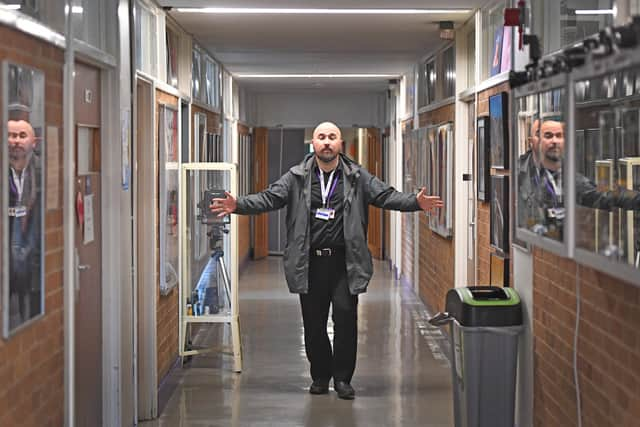

An important building in my life, both as a young man and again in my mid-30s, is the Paget Road campus of Wolverhampton College.
I was 16-years-old and fresh out of my GCSEs when I first walked through the doors of the college in 1998 and spent two years there doing a National Diploma BTEC in Media Studies, then went back in 2018 to begin my journalism journey by joining the NCTJ training course, so I have two experiences of being a student there.
When I heard that the campus was closing due to the new Learning Quarter campus in Wolverhampton city centre opening in September, I wanted to have one more chance to visit the building and take in the parts that helped me develop and learn.
I can still remember my way into the car park, through a windy road at the back of the college which, between 1998 when I first went there and 2019 when I got my journalism qualification, hadn't changed and was still the grey building I remembered.
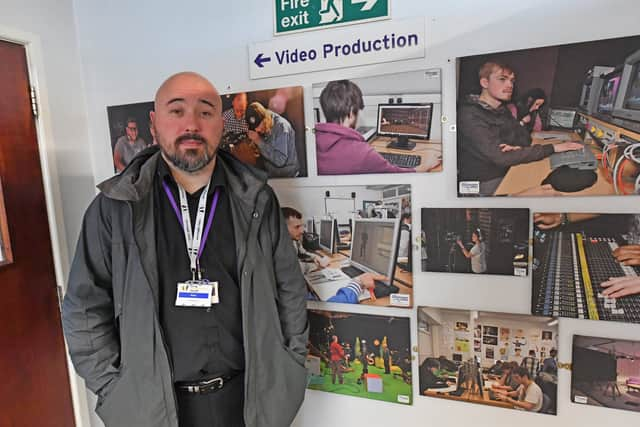
Walking in, the reception area was a bustling hub of activity, with students heading into exams or towards the canteen to get breakfast or a cup of coffee before lectures.
I was met by the college's lead marketing executive Lucy Bennett and taken up to what used to be the main area for video production on the first floor, walking past classrooms and along corridors which, to all intents and purposes, took me back to being 16 again and heading through the college for the first time.
It didn't feel overly weird going back, having been a student there just six years previously, but I did get the pangs of nostalgia upon arriving at the former video area, which has a studio on one side and what is now an excellent editing suite on the other.
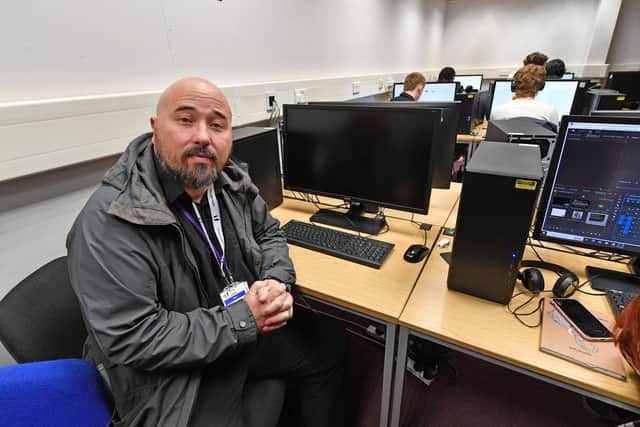
The suite had been the video studio back in my BTEC days and I can well remember filming a very funny music video with my friends, as well as coming up with ideas for adverts and documentaries as part of the Video module.
It was also where I learned a lot of video editing skills for Video Journalism, one of the modules I enjoyed on my NCTJ qualification and where I sat and passed my last exam to become a fully qualified journalist.
That was a good start and it was onwards to the main part of my college experience, the media and photography corridor.
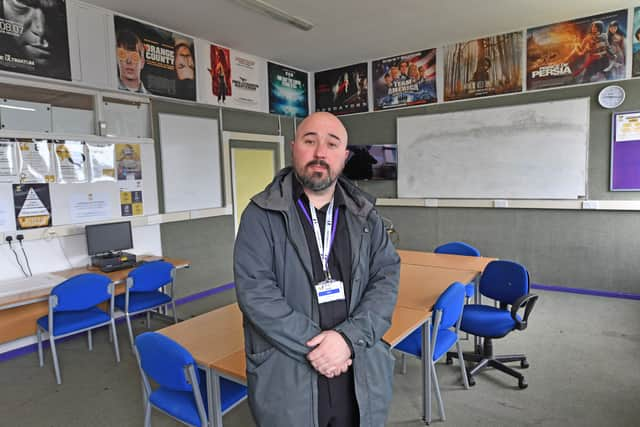
Walking into the corridor, I walked past rooms where I would have learned about film studies, how a TV programme was put together, where we would have discussed the plot of films and so much more theory.
I also looked into where I would have done radio production, recording documentaries and other pieces, then editing them on the DAVE system, although the radio studio is long gone and only the dividing line on the carpet remains. It was a little sad to see how the radio studio had disappeared and just become another classroom.
However, where the corridor does bring back the memories is with the photography area, a subject I wasn't an expert at, but soldiered on and occasionally produced some really nice pieces of work.
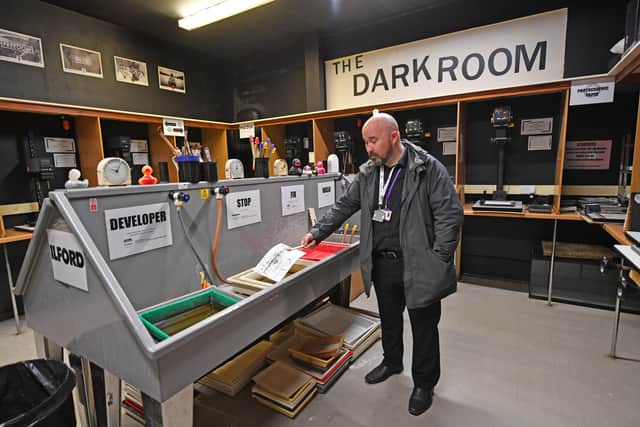
As you walk along, you'll find an historic selection of cameras from all across the years, as well as seeing the three stages of the journey for photography in the studio, the processing room and the dark room, all of which had barely changed for me in 25 years.
I found myself eliciting wows and woos as I looked inside each room, taking in the strong smells of the developing room (kind of vinegary) where I would have developed my own black and white film and got it ready to be given life in the dark room.
It was intoxicating to be in there, although that might have been the developing chemicals that had that effect, and it was just as nice to walk in and see the dark room, which brought back memories of someone opening both doors and hearing 'shut that door!' yelled in response.
The room is a remnant of time, a skill which a lot of modern photographers might not possess or practice, but one I still remember fondly, particularly when I turned out the lights and the room became a dark and red tinted room.
I remembered the process of shaking and prodding and treating each photo before washing and drying them, then taking them next door to see if I'd got it right or had to go back to the drawing board. It was 50/50 whether it would go right, but I had fun trying.
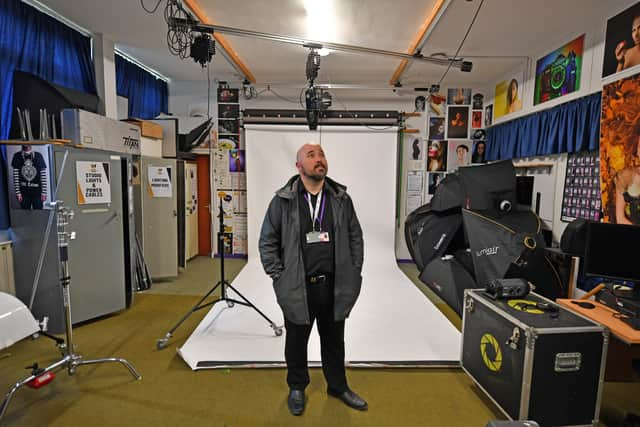
The studio itself was a cool room to walk into, full of white screens and lights and plenty of other tools to make a photo work and was a nice way to finish my trip down memory lane.
They say that you can't go back, but I was pleased to be able to have one last chance to do so and it really was wonderful to walk around and remember being a young man wanting to work in the media and getting to learn all the tools to do it.
Whatever the new campus has to offer, it has a lot of work to do to match the spirit and the memories of Paget Road. Good luck to everyone making their own history and following their own journey there.
Comment Guidelines
Iconic Media encourages reader discussion on our stories. User feedback, insights and back-and-forth exchanges add a rich layer of context to reporting. Please review our Community Guidelines before commenting.