
We can't spray weeds in hot weather: Dudley Council chief says heatwave is affecting weed control

Weedkiller isn’t suitable above 75F, says council report
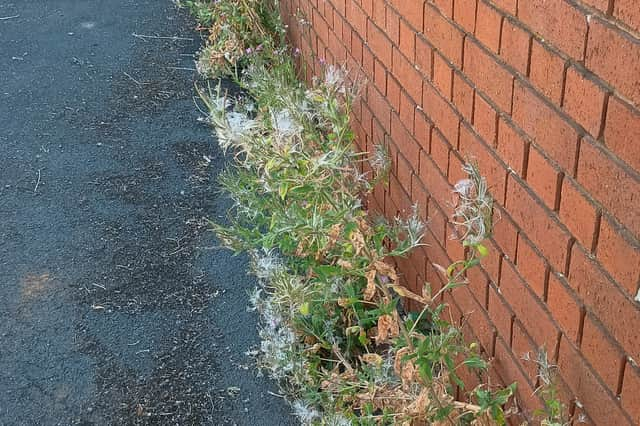
A Black Country council’s attempts to tackle a proliferation of weeds is being hampered because the weedkiller is unsuitable for use in hot weather, a senior officer has admitted.
A report to Dudley Council’s cabinet said the warm weather was frustrating the council’s efforts to tackle weeds growing in public places.
Nick McGurk, group director for communities, said: “The product used for weed treatment is limited by recommendations to not spray above 24 degrees, which has impacted activity in the recent hot weather.”
The authority was required to publish an update on its efforts to tackle grass cutting, weed control, street cleansing and fly-tipping following a motion that was passed at last month’s meeting of the council.
It is understood that spraying weeds when temperatures rise above 75F (24C) can cause the weedkiller to evaporate, damaging nearby plants through drifting vapor. Hot temperatures can also make weeds more resistant to weedkiller.
Mr McGurk’s report said the council’s grounds maintenance and grass-cutting services were affected significantly by the council’s financial position in 2024/25, resulting in a net loss of 10 staff.

”The service has also struggled with ride-on mower maintenance, contending with dated machinery, and associated fleet support, diminished for similar cost reduction reasons,” he said.
Mr McGurk said the council reduced grass cutting from 12 to 14 times a year to a minimum of six, with weeds being treated twice a year.
He said the council responded last year by taking on external contractors to provide additional support, and helped by a period of low growth, teams were able to ‘stay on top of requirements’.
But he said this year the service had been affected by a period of high growth, particularly during May and June.
“This has caused a proliferation of weeds and grass across the country, with Dudley being no different,” he said.
“Whilst it is not easily achievable to significantly increase resources to meet this demand, the councils improved financial position has led to additional investment and an increase in agency provision to support seasonal demand, staff sickness and holiday cover, and allow the teams to carry out essential weekend, traffic-managed sightline works in key areas such as arterial transport locations.
“As a result, the service is largely back on track, although weed treatment and removal is lagging in some areas.”
Mr McGurk said teams were also carrying out trials of new grass cutting machinery to replace the ageing fleet, with new mowers expected to be in service by next season.
Comment Guidelines
Iconic Media encourages reader discussion on our stories. User feedback, insights and back-and-forth exchanges add a rich layer of context to reporting. Please review our Community Guidelines before commenting.