
Birmingham seeing ‘real change’ despite HS2 delay, says transport secretary

Transport secretary says Birmingham already seeing 'real change' despite major HS2 delay.
The transport secretary has insisted that Birmingham is already seeing ‘real change’ despite a major HS2 delay being confirmed today.
When construction of Curzon Street Station began in 2024, the divisive high-speed railway had a target of getting trains running from Brum to London between 2029-2033.
But the government today set out plans for a reset and confirmed new delivery timeframes and costs for the troubled project, which has been hit by delays and rising costs.
In particular, transport secretary Heidi Alexander said the first trains are now expected to start between Old Oak Common in west London and Birmingham Curzon Street between 2036 and 2039.

And an estimate of the full scheme from London Euston to Brum’s Curzon Street, and a connection to the West Coast Main Line, is between 2040 and 2043.
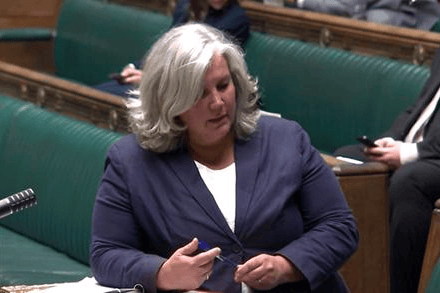
Speaking in the House of Commons this afternoon, the transport secretary argued that the HS2 project was already bringing positive change to Birmingham.
“I understand that this statement today will be met with cynicism and anger,” she said.
“But I say with genuine pride and conviction that I believe we are finally starting to see real delivery. Tunnelling machines are currently working under Londoners’ feet to make HS2 to Euston a reality.
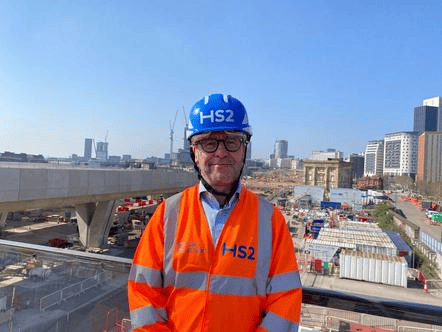
“Birmingham’s skyline is changing before our eyes with new film studios, a Sports Quarter and housing all being built around the new Curzon Street Station. This is national renewal in action.”
The government announced today that the project is now expected to cost between £87.7 and £102.7 billion and confirmed that HS2 will run at 320km/h (200mph) – aligning with speeds across Europe and Japanese bullet trains but slower than initially intended.
The government says the reduction in speed could deliver savings of up to £2.5bn and at least a year in delivery time.
The transport secretary has convened the team that delivered the Elizabeth Line and insisted that HS2 Ltd CEO Mark Wild’s ongoing reset has already had a positive impact, with six major construction milestones reached earlier than planned in the last year.

Transport secretary Heidi Alexander, said: “Taxpayers, passengers and communities along the route have been let down by years of mismanagement on HS2.
“I share their anger about the waste and mess, but I am proud that this Government has worked with HS2’s new senior team to get this project off life support and on the road to recovery.”
The BBC reports that shadow transport minister Jerome Mayhew responded for the Conservatives and accepted that “it is true” that the early years of HS2 were beset with issues.
But he says the appointment of current CEO of HS2 Ltd Mark Wild – under the Tories – has meant the organisation is in better shape.
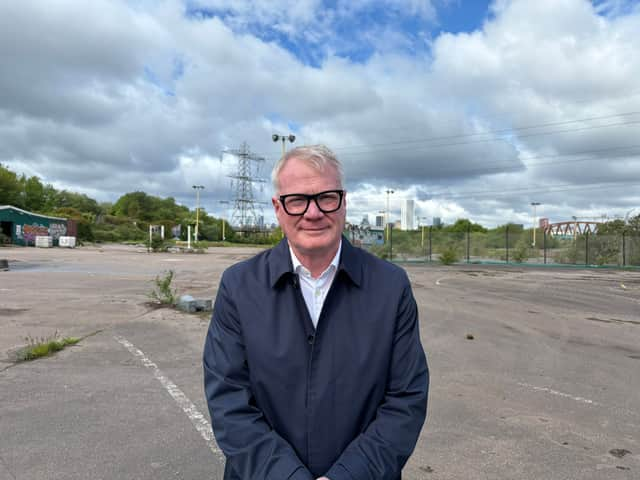
This announcement comes on the same day that West Midlands Richard Parker launched Britain’s ‘biggest and most powerful’ Mayoral Development Corporation (MDC) to ‘significantly speed up’ the £11 billion regeneration of East Birmingham.
Mayor Parker said this week that the MDC initiative will combine a range of powers including land acquisition, planning, business tax incentives and infrastructure funding.
He continued that this will allow it to cut through red tape, build investor confidence and accelerate investment into the area, benefiting enormous projects such as the Sports Quarter, Smithfield and the Knowledge Quarter.
He was also asked about Brummies who may be sceptical that the scale of the ambition for the Sports Quarter plans can be fully realised, given delays and setbacks impacting the likes of HS2.
“We’re doing this because we’re focusing on five prime sites that are going to be delivered by the private sector,” he said.
“My role is to ensure the private sector gets the support it needs to deliver those more quickly and we remove every barrier we can to ensure those sites are delivered at pace.
“It’s supported by significant amounts of public sector funding, including the £400 million we’re putting into the Metro.
“So this is about the public and private sector working in partnership and ensuring we’ve got the confidence and the certainty that investors need to invest in this city at this very important time.”
Joanne Roney, managing director at Birmingham Council, added: “People can hear the plans and see the drawings and they don’t believe it’s going to happen – and I understand that.
“Doing big schemes or big projects, there are always unforeseen delays and complexities.
“What I would like to say to residents is by creating this MDC that is the confidence that both investors and businesses have, as well as residents, that we are now in partnership with dedicated resources and capacity, more devolved powers and we really can accelerate.
“I’d also say this might be the biggest MDC in the UK that we’re creating here but MDCs have been created in other areas and once they’re created, they really can get a momentum behind them.”
Comment Guidelines
Iconic Media encourages reader discussion on our stories. User feedback, insights and back-and-forth exchanges add a rich layer of context to reporting. Please review our Community Guidelines before commenting.