
Grandfather left with reduced life expectancy following prostate cancer diagnosis delay calls for lessons to be learned
A man left with a reduced life expectancy following a near two-year prostate cancer diagnosis delay is calling for lessons to be learned.
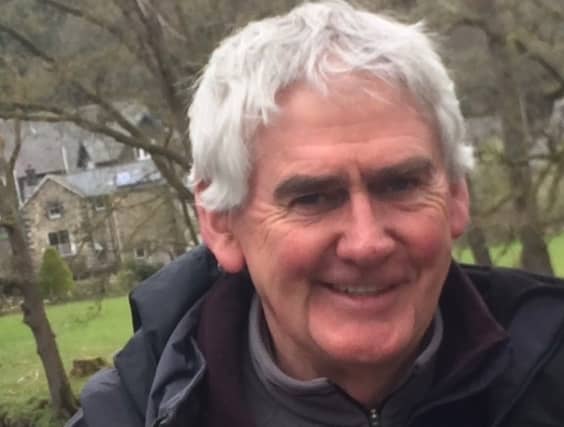


John Mason, of Rugeley, was referred by a GP to the urology department at Queen’s Hospital in Burton-upon-Trent with a significant increase of the protein prostate-specific antigen (PSA) in his blood – a possible sign of the disease.
He had also experienced blood in his semen, which is another symptom of prostate cancer.
However, following an examination, John, who had been diagnosed with an enlarged prostate in 2014, was told there was nothing suspicious.
He continued to have a raised PSA level for more than a year.
Around 20 months after being sent to Queen’s Hospital, he was referred again.
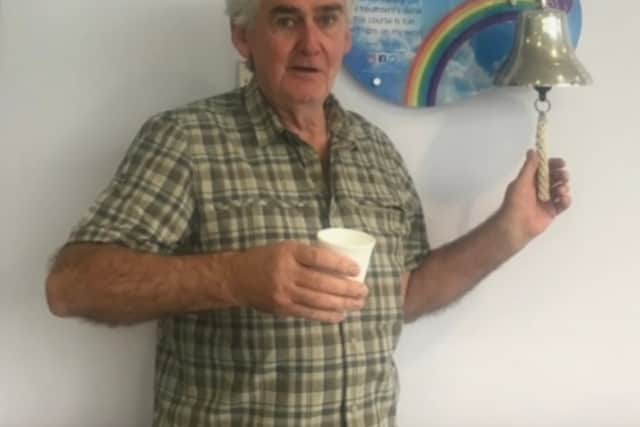
Following tests, the dad-of-three and granddad-of-four was diagnosed with prostate cancer in March 2018.
The former electrical engineer had surgery, but his cancer then returned and had spread to his spine and ribs.
He was told that radiotherapy would not be able to treat the cancer that had spread and John now requires hormone injections for life to try and limit the cancer’s growth.
The 78-year-old, who has been diagnosed with a reduced life expectancy, has now spoken for the first time about the impact the cancer has had on his life.
Lawyers at Irwin Mitchell are investigating his care under University Hospitals of Derby and Burton NHS Foundation Trust, which runs Queen’s Hospital, and John has joined his legal team in supporting Prostate Cancer Awareness Month to raise awareness of the signs of the disease.
The law firm says the hospital trust had admitted a breach of duty and apologised for errors in John’s care.
Irwin Mitchell said the trust had admitted that a biopsy should have been arranged when John was referred to hospital in July 2016.
John said: “It’s incredibly difficult to find the words to describe what the last few years have been like.
“Life is totally different following my diagnosis and I’m unable to do a lot of things people take for granted.
"While I’d retired, I was still active and have never been one to sit around idly. Me and Lynne were an equal partnership but now I’m a lot more reliant on her as I can get fatigued very easily.
“We used to go on holiday, long walks and bike rides together but that’s all changed.
"I live with bowel and bladder problems so can’t be too far away from a toilet. If I do leave the house I have to forward plan meticulously to ensure I’m never far away from a toilet.
“While I try and remain as positive as I can, I get angry at what I’ve had to go through, especially as my cancer could have been diagnosed sooner and because of my prognosis.
“While it’s too late for me I just hope that by speaking out I can help raise awareness of what I’ve had to face to help others. There can sometimes be a stigma around men’s health and seeking medical advice.
"I would urge anyone concerned they may have prostate cancer to seek medical advice as soon as they can and to advocate for themselves if something does not feel right. It could make all the different to them.”
Sophie Smethurst, an expert medical negligence lawyer representing John, said: “John and his family have faced an incredibly difficult few years, trying to come to terms with his diagnosis and also what the future may hold.
“Understandably John had a number of concerns about whether more should have been done to diagnose his cancer sooner.
“The hospital trust has admitted worrying errors in John’s care which have had a devastating impact on his life.
“Sadly, 12,000 men in the UK die of prostate cancer each year, therefore, it’s vital that lessons are learned from the issues identified in John’s case to improve patient care for others.
“It’s also vital that men concerned they may have cancer seek medical advice at the earliest opportunity. Early detection and treatment are key to beating it.”
Prostate Cancer Month runs throughout March.
A University Hospitals of Derby and Burton NHS Foundation spokesman said: "We want to give the best possible care to every patient and we are deeply sorry for what happened to John in 2016 and the missed opportunity in diagnosing his cancer sooner.
"Our teams work diligently to try and detect cancers, closely monitoring patients; blood results and doing thorough examinations to support the diagnosis of prostate cancer in particular so that we can start treatment as quickly as possible.
"In such an important month for Prostate Cancer Awareness, we truly admire and thank John for his bravery in sharing his story to raise awareness, and fully support his calls for men to seek medical advice if they have any concerns about their prostate health."
The trust said it fully accepted that a biopsy should have been arranged for John in 2016 and continues to work with John and his legal representatives to try and support the resolution of his care issues from 2016.
Comment Guidelines
Iconic Media encourages reader discussion on our stories. User feedback, insights and back-and-forth exchanges add a rich layer of context to reporting. Please review our Community Guidelines before commenting.