
Staffordshire council set to write off more than £450,000 in ‘bad’ debt
More than £450,000 in ‘bad’ debt is set to be written off by Tamworth Borough Council
More than £450,000 in ‘bad’ debt is set to be written off by Tamworth Borough Council next week. The latest figures from the council, covering 1 April to 30 June 2026, show a sharp increase compared with the same period last year.
In the first three months of the financial year Tamworth Borough Council is proposing to write off £485,258. When compared to last year for the period 1 April to 30 June 2025, the amount has increased by £396,690.
The figures show that the largest category of debt written off was business rates, which total £479,396, followed by housing benefit overpayments at £2,412. A court-sanctioned restructuring plan has prevented the council from collecting £250,535 in business rates from two companies, while three companies have been dissolved or struck off, meaning £192,748 cannot be collected.
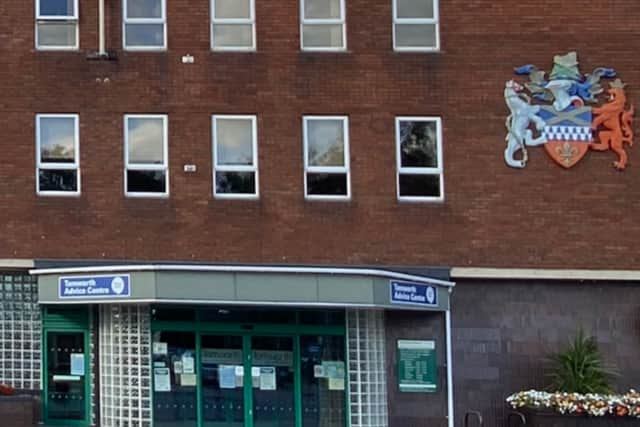

Various reasons are outlined in order to write off the debt, including the debt being-statute barred, the council being unable to locate the person and it not being financially viable. Only the cabinet is authorised to write off debts exceeding £10,000, although smaller amounts can be written off by senior directors at the council.
The four areas where debt is proposed to be written off are: council tax, £1,944; business rates, £479,396; sundry income, £1,504; and housing benefit overpayments, £2,412.
This write off means that the total unpaid business rates have fallen from £1,166,895 to £687,498. The outstanding figure is determined by council officers reviewing all the unpaid business rates to determine whether they are likely to be collected.
The council states that writing off debt is an exception after all reasonable steps have been taken to collect. Additionally, they are not able to collect debt from individuals who have been declared bankrupt, companies which have been dissolved, money that has become statute-barred, and debts owed by deceased individuals who left no estate.
In a cabinet meeting next week, council leaders will be asked to approve the write off. A report states: “The Council is committed to ensuring that debt write offs are kept to a minimum by taking all reasonable steps to collect monies due. There will be situations where the debt recovery process fails to recover some or all of the debt and will need to be considered for write off in accordance with the schemes of delegation prescribed in the corporate credit policy.
The council views such cases very much as exceptions. Before writing off debt, the council will satisfy itself that all reasonable steps have been taken to collect it and that no further recovery action is possible or practicable. It will take into account the age, size and types of debt together with any factors that it feels are relevant to the individual case.”
Comment Guidelines
Iconic Media encourages reader discussion on our stories. User feedback, insights and back-and-forth exchanges add a rich layer of context to reporting. Please review our Community Guidelines before commenting.