
Shropshire National Trust to display rare Iron Bridge construction documents
People will be able to view the rare documents at the Museum of Iron for a limited period.
A collection of historic documents telling the story of Shropshire’s world famous Iron Bridge are to go on display.
Now in the care of the National Trust, the building records were originally submitted for inclusion in the UNESCO UK ‘Memory of the World Register’ by the Ironbridge Gorge Museum Trust in 2024.

Last month UNESCO confirmed their inclusion on the register, which recognises ‘documentary heritage of outstanding national and regional importance’, safeguarding rare and irreplaceable archives while ensuring they remain accessible to everyone.
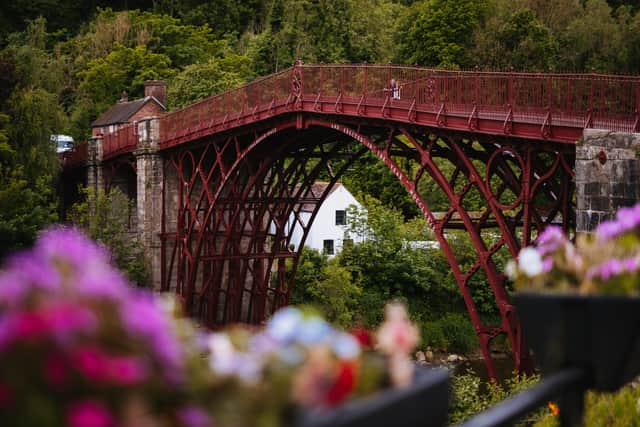
The records relate to the creation of the landmark Iron Bridge, which spans the River Severn and sits at the heart of the Ironbridge Gorge UNESCO World Heritage Site.
Completed in 1779, the Iron Bridge was the first structure of its kind in the world, and its creation marked a turning point in engineering and construction, demonstrating the potential of cast iron on an unprecedented scale.
The now world-famous bridge gave its name to the town of Ironbridge and the surrounding gorge, widely regarded as the birthplace of the Industrial Revolution.
As the iron trade in the area around the river’s banks expanded and river use increased, a bridge became necessary.
Local ironmaster Abraham Darby III was commissioned to build the bridge to a design by Thomas Farnolls Pritchard.
UNESCO has recognised the significance of three documents.
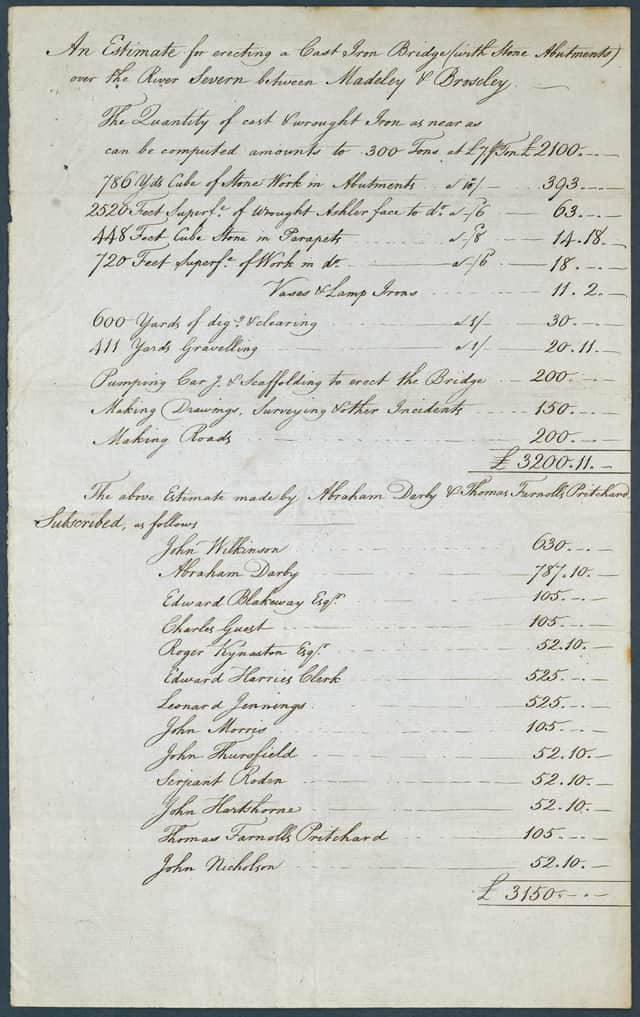
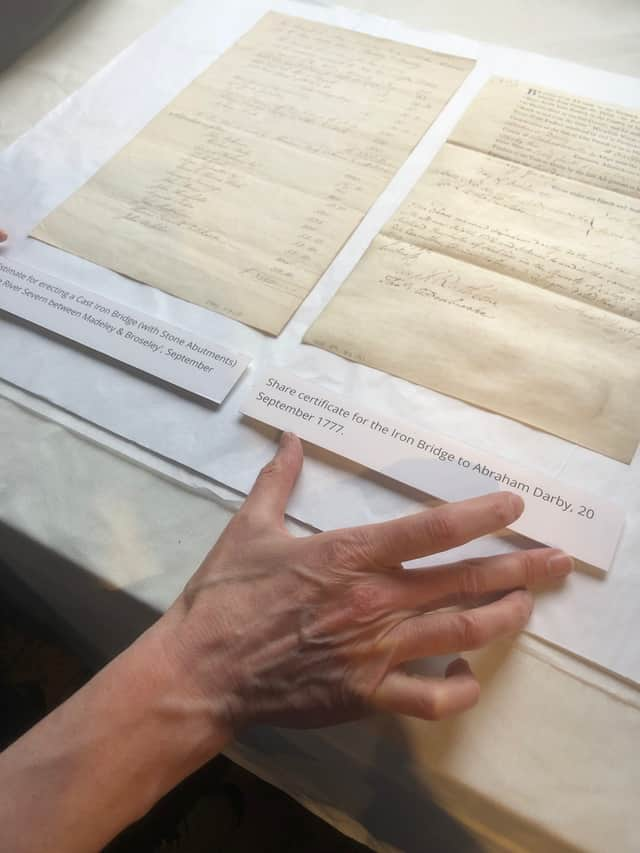
They include Abraham Darby III’s original cost estimate from September 1775. Prepared with architect Thomas Farnolls Pritchard the document details the projected cost of constructing the bridge, associated roadworks, and financing arrangements including loan interest.
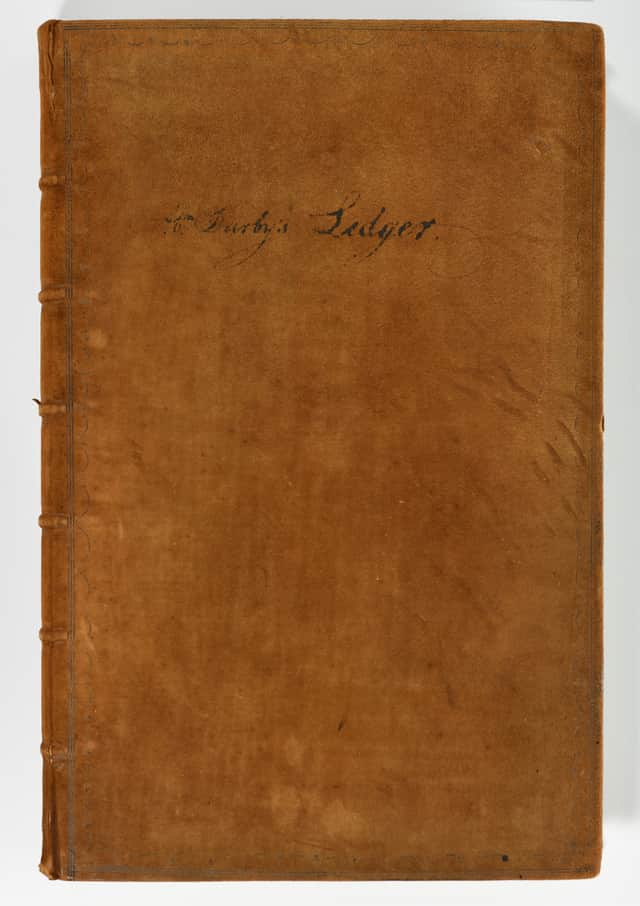
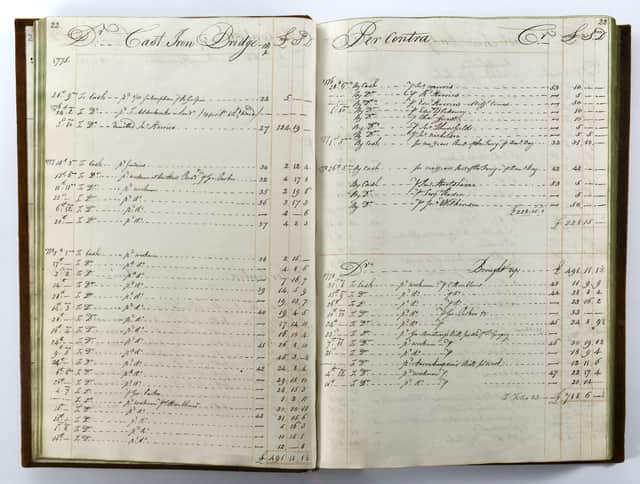
The second is Abraham Darby III’s Ledger for 1771-1781, covering a variety of Darby’s business activities, including the building of the Iron Bridge and documenting the crucial period up to and including the completion of the bridge.
The final document is Abraham Darby III’s personal share certificate, dated October 20, 1777.
Collectively, the documents also reveal the financial context for the building of the Iron Bridge, including the names of individuals involved in the project, such as investors and suppliers of goods, services and labour.
They also provide a timeline for the project’s progress and for key events relating to the building of the bridge between September 1775 and February 1781.
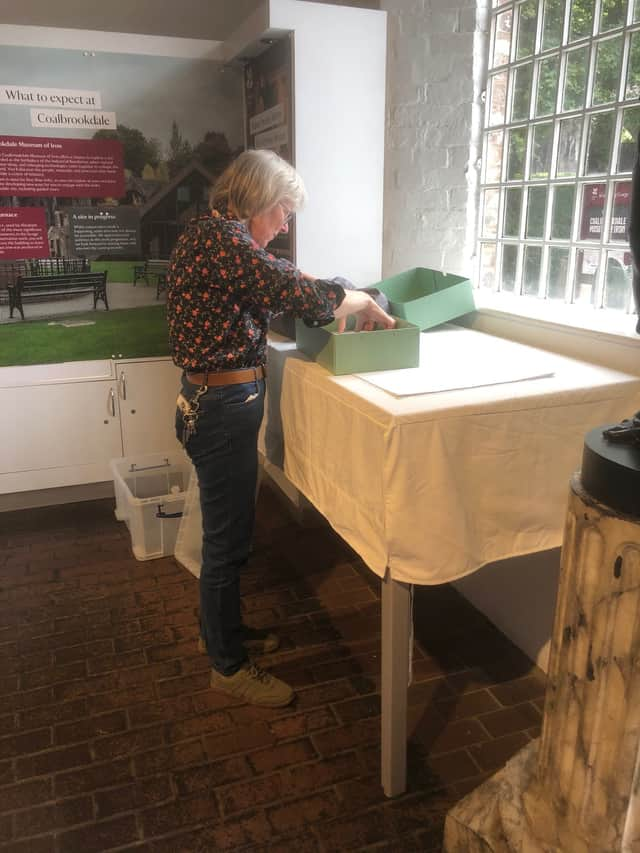
Abraham Darby III, who came from a family of Quaker ironmasters and inventors, managed the Coalbrookdale Company ironworks, where the Museum of Iron is currently located.
Building the Iron Bridge was a way to demonstrate the capabilities of his company and the versatility of cast iron for architectural use.
While the project proved transformative, it also came at a cost with construction significantly exceeding initial estimates, and Darby remained in debt at the time of his death in 1789.
Acknowledging the significance of the documents, Rachel Hosker, Chair of the UNESCO UK Memory of the World Committee, said their inscription onto the UK Memory of the World Register “recognises both their national significance and the importance of preserving them and making them accessible for present and future generations”.
She added that the committee felt the Iron Bridge records demonstrated the “newness of such technology and science being developed in the Industrial Revolution in which the UK played a significant role”.
Sarah Roberts, archivist for the National Trust at Ironbridge Gorge, said: “We are delighted that these documents have been recognised by UNESCO in this way.
“This collection of documents, which are part of a much larger archive, shines a spotlight on the vision, and the desire to innovate, shared by the Ironmaster Abraham Darby III and the Architect Thomas Farnolls Pritchard.
“Their revolutionary ideas, combined with their ambition and determination, were to prove truly world changing.
“Unusually, these documents are still retained in the place where they were produced almost exactly 250 years ago, and the archive itself is recognised as an integral part of the UNESCO World Heritage Site within which it sits.
“As we prepare to celebrate the Quarter Millennial of the original Iron Bridge in 2029, we have every confidence that this acknowledgement of the significance of the archive will inspire further research into the incredible innovations, people, and events associated with the Ironbridge Gorge.”
Councillor Carolyn Healy, Telford & Wrekin Council Cabinet Member for Neighbourhoods, Planning and Sustainability, said: “The Iron Bridge is one of the most recognisable symbols of the Industrial Revolution and a source of pride for our borough. These remarkable records help tell the story of how a world-changing idea became a reality and offer a unique insight into the people, ambition and innovation behind its construction.
“UNESCO’s recognition highlights the international importance of the Ironbridge Gorge and its role in shaping modern industry. Making these documents accessible to residents, visitors and researchers will help more people discover the story of this extraordinary place and ensure its heritage continues to inspire future generations.”
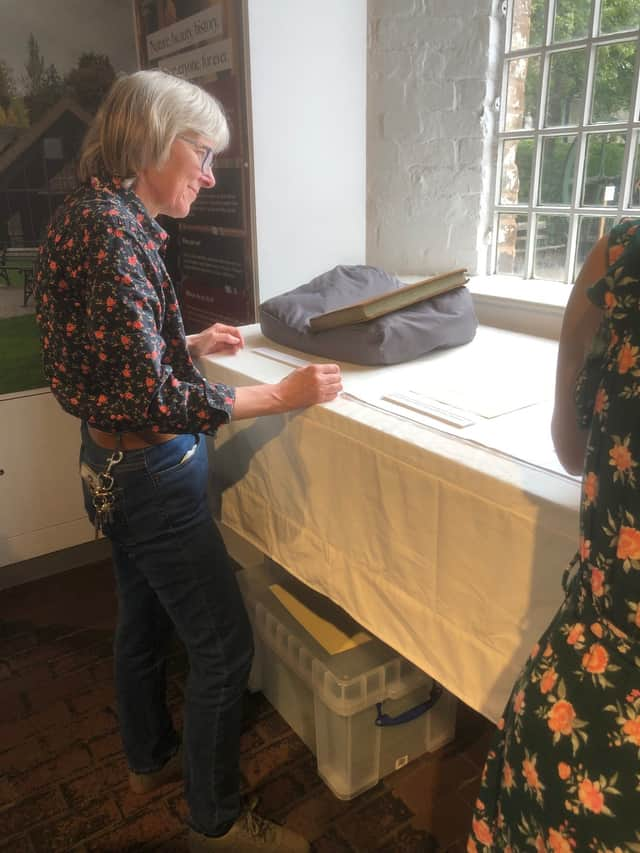
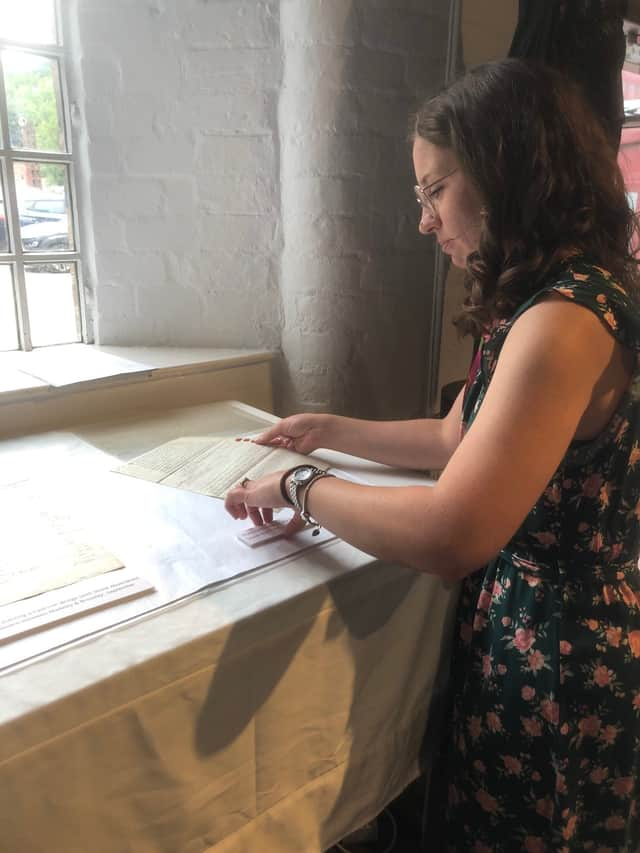
Due to their fragile condition, the three documents cannot be permanently displayed, however, they have been digitised and transcribed, ensuring they are accessible to researchers and the public.
To celebrate the UNESCO recognition, the documents will be on temporary display for two weeks in the Museum of Iron, from Wednesday, July 15.
The museum is open daily from 10am to 4.30pm (last entry at 4pm).
There will also be a trail, to highlight other significant objects relating to the Iron Bridge, throughout the museum.
Details on how to visit are available online.
Comment Guidelines
Iconic Media encourages reader discussion on our stories. User feedback, insights and back-and-forth exchanges add a rich layer of context to reporting. Please review our Community Guidelines before commenting.