
'Robbed of wellbeing' - Shocking report claims social media is destroying the lives of our younger generation
Students are being “robbed" of their wellbeing by the damaging impact of social media.
That is the claim today from the UK's largest teaching union, which has called for the digital age of consent to rise from 13 to 16.
The National Education Union (NEU) and supporting organisations have launched Robbed: Big Tech's Little Victims, to call for guaranteed space on the school curriculum to teach digital literacy; a windfall tax on social media companies to pay for mental health services; and for the Government to publish guidance on the health impacts of social media for children.
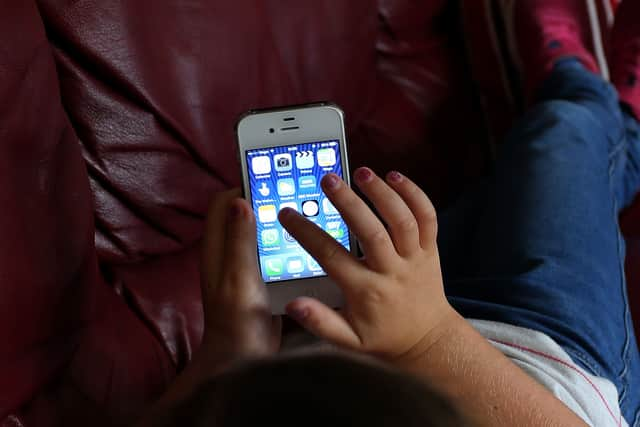

A poll conducted by Censuswide for the NEU of 2,001 people in the UK found nearly seven in 10 said they believe social media companies are robbing children and young people of their childhoods, and 68 per cent said they think social media is exacerbating mental health problems in under-16s.
The campaign is calling for the digital age of consent to be raised to 16. The House of Commons Education Committee said last year the Government should consult on raising the digital age of consent, and both the Safer Phones Bill and the Liberal Democrats have also made the same call.
The digital age of consent refers to the age a child may give consent to the processing of their personal data in relation to information society services.
NEU general secretary Daniel Kebede said: "Every day, teachers see the damage big tech is doing to children and young people.
"Students are being robbed - of innocence, of attention, of sleep and joy - arriving at school exhausted, anxious and already overwhelmed by what they've seen on social media.
"Their ability to focus, connect and feel good about themselves is being eroded before they've even had a chance to grow.
"This isn't just unfortunate, it's a crisis. And it's being driven by platforms designed to exploit young minds for profit."

Polling of 1,000 parents of children aged 10-16 also found 77 per cent said they believe social media companies have played a significant role in the mental health crisis young people are facing.
Asked about the impact of social media on their children, 42 per cent said their child spends less time outside, 36 per cent said they are spending reduced time on hobbies, and 35 per cent said they have disrupted sleep or bedtime routines.
The campaign is also calling for the Government to introduce a watermark for ethical advertising on social media platforms.
Mr Kebede said: "It's important that schools have robust policies on smartphones, but social media will continue to rob children of their wellbeing and socialisation outside of the school gates."
Technology Secretary Peter Kyle has previously said children could face a limit on using social media apps. It has been reported a two-hour cap per platform is being considered.
The coalition running the campaign also includes the Centre for Young Lives , Mumsnet, Parentkind, Reel It In, Health Professionals for Safer Screens, The New Britain Project, headteacher Damian McBreath, and Keystone Tutors founder Will Orr-Ewing .
Baroness Anne Longfield , executive chairwoman of the Centre for Young Lives and a former children's commissioner for England, said: "Our children are navigating a digital world never designed to protect them, and which can often manipulate them.
"Too many are being robbed, of sleep, of confidence, of attention and connection.
"We cannot continue to accept that children should be left to fend for themselves in the digital world or continue to risk becoming the victims of the ever-growing power and influence of tech giants."
A Government spokesperson said: "We understand parents' concerns about the impact of social media on children. This is why have taken the boldest steps anywhere in the world - requiring, by law, that online content is age-appropriate.
"We're striking the right balance: protecting children while ensuring they can safely benefit from the digital world, without risking isolation or cutting off access to vital services, especially to the most vulnerable."
* What do you think? Leave a comment below
Comment Guidelines
Iconic Media encourages reader discussion on our stories. User feedback, insights and back-and-forth exchanges add a rich layer of context to reporting. Please review our Community Guidelines before commenting.