
Recollections as community hospital celebrates 130 years of bringing healthcare to Bridgnorth

Bridgnorth Community Hospital first opened its doors to patients on September 17, 1896.
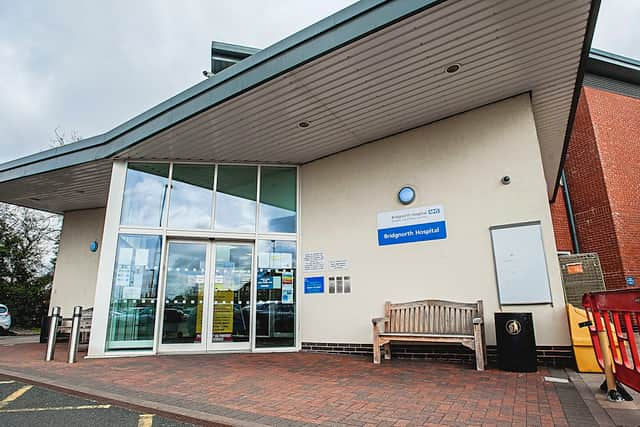
A Shropshire community hospital is celebrating its 130th year of providing healthcare to local people.
Get the latest headlines delivered straight to your inbox with the Shropshire Star’s free newsletter
Bridgnorth Community Hospital is officially 130-years-old on Thursday, and the hospital’s League of Friends have put on a display in the hospital café to mark the occasion - compiled by local historian Clive Gwilt.
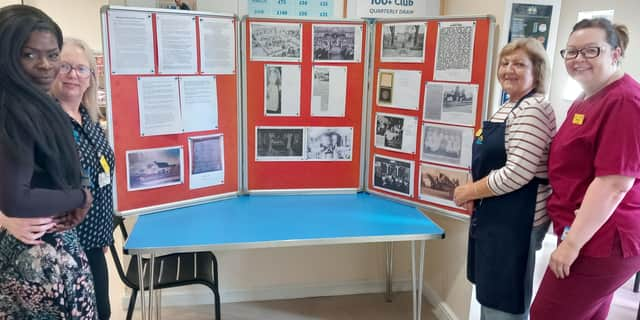

Clive says the current site in Northgate opened on Thursday, September 17, 1896 but there has been a hospital in Bridgnorth since 1936.
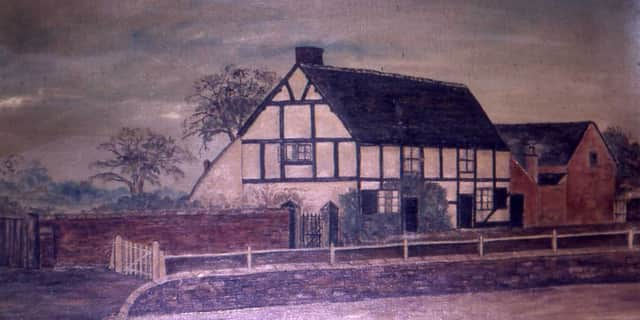
“The original Bridgnorth Infirmary opened in Listley Street in 1936,” said Clive. “It contained eight beds and the yearly average number of in-patients was 82 and outpatients 1,742. The infirmary had its own brewery to give beers to the patients and staff before readily available clean water was piped.”
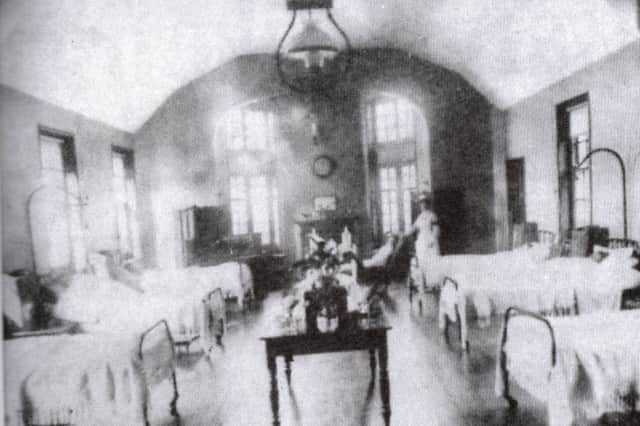
But he said that the hospital began to run into trouble towards the end of the 19th century , and a damning report on the unsatisfactory facility was published in 1885, prompting a call for another hospital in the town.
Clive said. “The report stated that ‘the Infirmary was in an unsatisfactory and unsanitary condition. The matron was no longer able to do her work properly; the bedsteads were extremely uncomfortable; the bedding was insufficient and worn; the bedsteads, bedding, floor and walls were very dirty; and the bathrooms were practically useless’.”
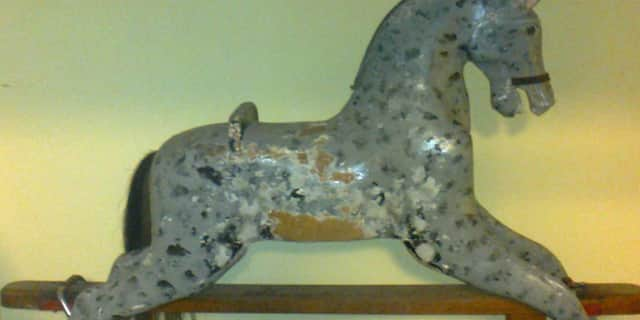
He said by 1887, the Bridgnorth Infirmary was renamed as “The Bridgnorth and South Shropshire Infirmary” and in 1891, a doll show was held in the local agricultural hall to raise money for a new hospital to be built at Northgate.
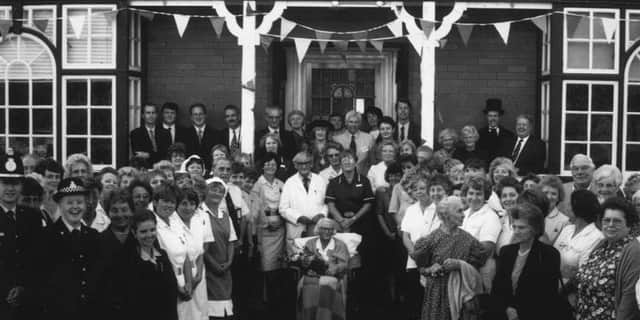
The original tender for the new hospital went for £4,368 and was accepted from Mr Ralph Merton Hughes of Birmingham. The architect for the project was EA Maidman and the builder was RM Hughes of Birmingham.
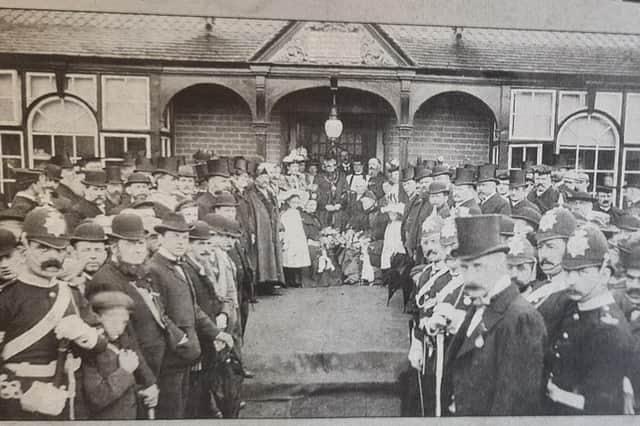
“On Thursday, September 17, 1896 Bridgnorth and South Shropshire Infirmary, as it was then named, near Northgate was completed and opened by Viscountess Boyne,” said Clive.
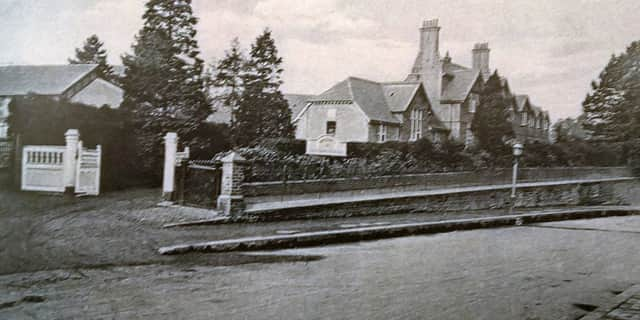
“The hospital had eight beds for men, eight beds for women and two spare beds on the ground floor.”
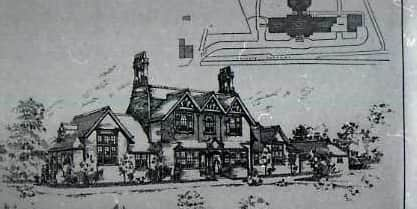
He said by 1909, the hospital was enlarged to take 49 beds and a maternity block, and during World War I it had become designated an Auxiliary Hospital that treated wounded soldiers from Flanders.
Two new wings were added in 1928 and a maternity unit opened in 1934.
And then the hospital played a role in World War II.
“Bridgnorth Infirmary was used during World War II as a casualty clearing station and classified as 1A for the initial reception of casualties pending transfer,” said Clive. “It was also for the treatment of cases of immediate urgency among the civilian population and general reception and treatment of both casualties and civilian sick.
“Air raid precautions were also required including outside shelters and black out of the windows. Bridgnorth children used their seaside spades to fill sandbags to protect the infirmary. Buildings that were essential to the war effort had sandbags stacked several layers deep as buffer zones against bomb blasts, bullets and shrapnel.”
The League of Hospital Friends was formed after the war in 1948 to support the Infirmary and Innage House. Over the years they have raised many hundreds of thousands of pounds for the hospital.
By 1995, the Bridgnorth and South Shropshire Infirmary changed its name to Bridgnorth Hospital. However, some locals still know it as ‘The Infirmary’.
A new day surgery opened in 2010 after a refit costing £500,000 jointly funded by the League of Friends and Shropshire County Primary trust
Today Bridgnorth Community Hospital continues to provide healthcare to the community of Bridgnorth and the surrounding area.
The display by Bridgnorth Hospital League of Friends is available to view in the hospital’s cafeteria for the next two weeks.
Comment Guidelines
Iconic Media encourages reader discussion on our stories. User feedback, insights and back-and-forth exchanges add a rich layer of context to reporting. Please review our Community Guidelines before commenting.