
Poundland and River Island set to cost Staffordshire council £250,000 - here's why
The two national retailers who are in the process of a sanctioned restructure plan are set to cost a Staffordshire council more than £250,000.
National retailers who are in the process of a sanctioned restructure plan are set to cost a Staffordshire council more than £250,000.
Tamworth Borough Council is set to consider plans to write off more than £700,000 in ‘bad debt’.
In total, it is planned to write off £771,217.36 between the start of April 2025 and the end of March 2026.

The debt is made up in part from housing, council tax and business rate payments.
Various reasons are outlined in order to write off the debt, including the debt being statute barred, the council being unable to locate the person and it not being financially viable.
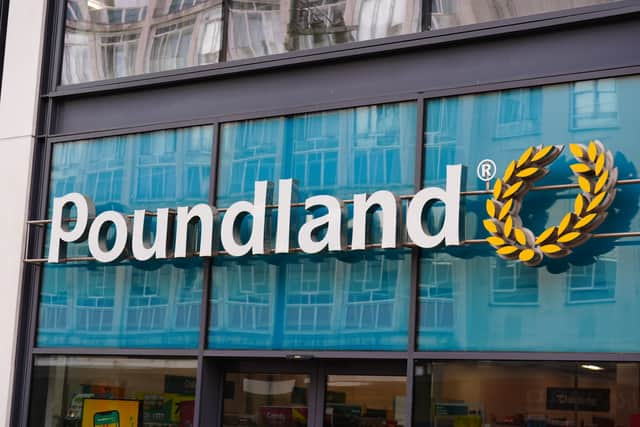
River Island and Poundland are currently in the process of a sanctioned restructure plan authorised by the courts.
This is an insolvency tool that allows financially distressed companies to compromise with their creditors.
In this case it means that outstanding business rates of £136,295.95 for Poundland and £114,240.00 for River Island will be written off at a cabinet meeting next week.

This is because the council is unable to enforce collection of the debt.
Currently, only the cabinet is authorised to write off debts exceeding £10,000, although an executive director or an assistant director can write off debts of up to £5,000.
Five areas have had debt written of including, council tax £53,386.31; business rates £447,885.87; sundry Income £42,866.57; housing benefit overpayments £25,151.96; and housing £201,926.65.
Business rate debt is calculated by reviewing all the outstanding debt and considering whether they are likely to be collected. Following the write off between 2025 and 2026, the council still has £443,624.01 outstanding in business rates.
A report to council leaders states: “The council is committed to ensuring that debt write offs are kept to a minimum by taking all reasonable steps to collect monies due.
“There will be situations where the debt recovery process fails to recover some or all of the debt and will need to be considered for write off in accordance with the schemes of delegation prescribed in the corporate credit policy.
“The council views such cases very much as exceptions. Before writing off debt, the council will satisfy itself that all reasonable steps have been taken to collect it and that no further recovery action is possible or practicable. It will take into account the age, size and types of debt together with any factors that it feels are relevant to the individual case.”
Comment Guidelines
Iconic Media encourages reader discussion on our stories. User feedback, insights and back-and-forth exchanges add a rich layer of context to reporting. Please review our Community Guidelines before commenting.