
What a new Prime Minister would mean for the West Midlands
How would a new Prime Minister impact the West Midlands? Mark Andrews looks at the likely changes it could bring in

As Britain prepares for its seventh prime minister in a decade, what will be the impact on the West Midlands?
Of course that depends on who the next Prime Minister is, but given that Andy Burnham is the clear front-runner, we’ll look at him first.
Critics say it is impossible to know what a Burnham premiership would be like, given his reputation among some as something of a shapeshifter, whose political views have been quite fluid over his 32-year-political career. This is something which unsurprisingly irks the former mayor of Greater Manchester, and there are plenty on the Left who would accuse Sir Keir Starmer of exactly the same thing. But there is no doubting that the Andy Burnham of today is a very different animal to the sharp-suited high-flier of Tony Blair’s governments.
What we can deduce from his victory speech in Makerfield is that a Burnham government would likely see an increase in regional administration at its heart.
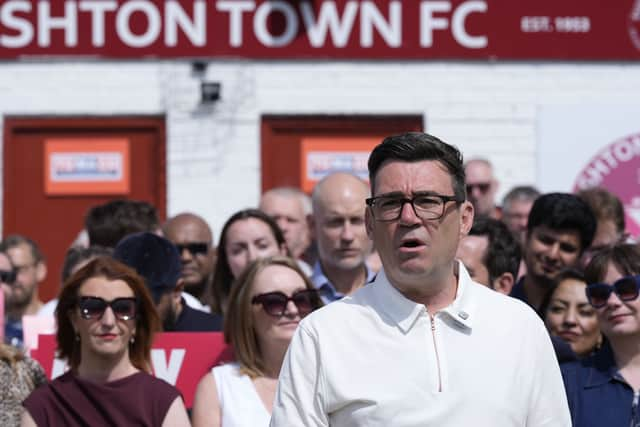

“People voted for change, they have voted for more power for the north and everywhere forgotten by Westminster,” Burnham said during his speech at the weekend.
Only time will tell whether Burnham considered the West Midlands to be one of the ‘forgotten’ areas, or whether he will simply forget it himself as he focuses on the so-called North-South divide - it would hardly be the first time that has happened. But assuming the West Midlands did become the focus of his attention, how would his brand of devolution measure up?
During his term as mayor, Burnham coined the term ‘Manchesterism’, and there is little doubt that he raised the profile of the city during that time. He promoted the Greater Manchester region - which in reality is largely made up of a diverse collection of Lancashire and Cheshire mill towns - as a single entity, distinct from the rest of the country. It would seem likely that any attempt at devolution in the West Midlands would be along similar lines. Expect that any devolution or investment would likely be done through the West Midlands Combined Authority, rather than individual city or borough councils, particularly given that Wolverhampton is now the only Labour-run council in the region. That will no doubt be music to the ears of Richard Parker, the elected mayor for the West Midlands, who has long argued that the region needs more funding, particularly to tackle youth unemployment. But while the people of Oldham, Rochdale and Bolton appear to have embraced the concept of Greater Manchester, the people of Dudley, Wolverhampton and Walsall have never quite embraced the idea of the West Midlands in the same way. Would a Burnham government view the area as a ‘Greater Birmingham’, or would it encourage devolution at town and city level? What will be the implications for the Starmer government’s unloved plans for local government reorganisation in Staffordshire and Worcestershire? Would Burnham press ahead with plans for to replace county and district councils with new unitary authorities, or will these too become part of a new regional administration? These are all questions which will need to be answered.
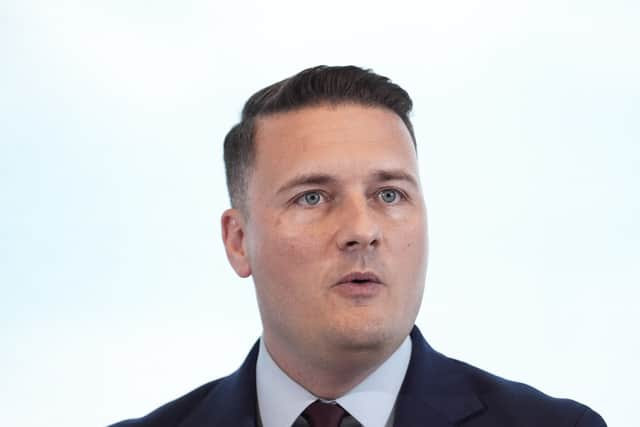
The other interesting question is whether the northern legs of HS2 could be back on the agenda if Andy Burnham would become Prime Minister. Many will recall Burnham’s angry reaction when then PM Rishi Sunak announced the cancellation of the Birmingham-Manchester HS2 line.
"It always seems that people here where I live and where I kind of represent can be treated as second class citizens when it comes to transport,” he said. If he becomes leader, he will have the chance to address that perceived injustice - although he might want to brace himself for a fresh battle with those who may once more see their homes blighted.
Burnham caused nervousness in the City when he spoke out against government being ‘in hock to bond markets’, although he later calmed fears when he said he did not plan a significant increase in national debt. He did, though, say he would be prepared to borrow more to fund an increase in defence spending - which would be welcomed by the region’s manufacturers which specialise in defence contracts, even if the financial markets would prefer to see it paid for by cuts elsewhere.
Burnham has also called for greater ties with the European Union, which may not go down well in an area which voted heavily for Brexit, although whether he would prioritise rejoining the customs union or single market is questionable considering the already sizeable in-tray a new PM would face.
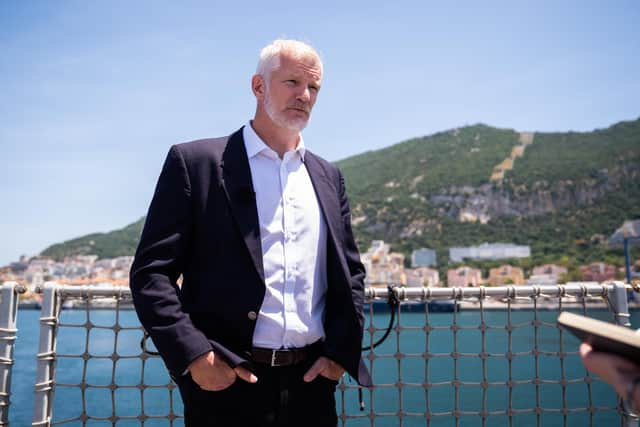
Wes Streeting has ruled himself out, but may yet play a senior role in any new cabinet. He had previously hinted that he would priorities cuts to what he sees as frivolous public spending to finance increased defence expenditure, as well as greater use of the private sector in public services, particularly the NHS.

Darren Jones, Chancellor of the Duchy of Lancaster, is another name that has been touted as a possible contender, although few believe - at the moment - that he would beat Burnham. A Starmer loyalist, it is hard to envisage how a Jones premiership would be radically different from the Starmer one. Al Carns, who resigned this month as defence minister, has also refused to rule himself out. His easy charm and service with the Royal Marines may yet make him a surprise package in any leadership contest, and it is likely that increased investment in defence would be a major priority. As a Birmingham MP, one might expect him to have a good understanding of the West Midlands, although as said earlier, there is a huge gulf between what is good for Birmingham and what benefits the Black Country.
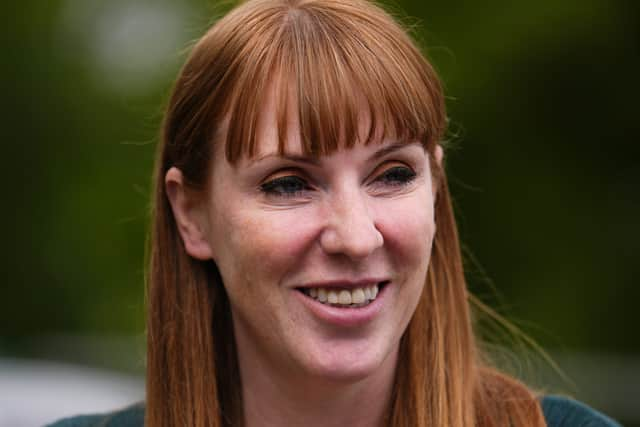
Of the other contenders, Angela Rayner has been a sharp critic of plans to reduce the welfare budget, and of Home Secretary Shabana Mahmood’s plans to cut immigration which she branded ‘un-British’, while Ed Milband would likely make renewable energy the centrepiece of his premiership.
Comment Guidelines
Iconic Media encourages reader discussion on our stories. User feedback, insights and back-and-forth exchanges add a rich layer of context to reporting. Please review our Community Guidelines before commenting.