
Scrapping winter fuel payments could leave pensioners facing a stark heating or eating choice
Winter looms – and for many pensioners it threatens to be a struggle.
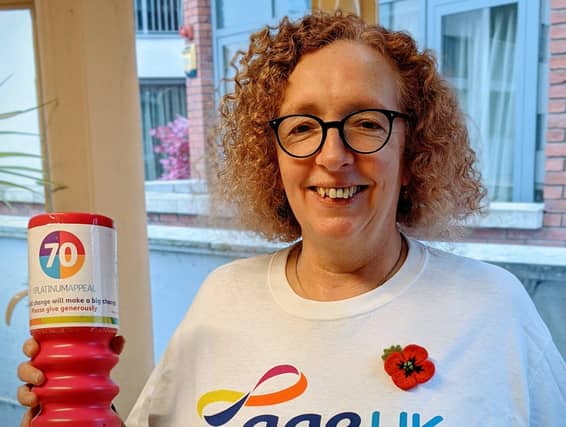


Every penny helps when it comes to paying bills, and now the annual cash payment from the Government is being stopped.
It is a situation that has angered pensioner groups, and a controversy that is unlikely to disappear any time soon.
The winter fuel payment is worth up to £300, and while those on pension credit will still get it, there are many who just miss out and who will struggle without it.
It is also estimated that millions of pensioners who are eligible for pension credit have simply not claimed it in the past.
A campaign is now being launched asking pensioners to check if they can make a claim.
The situation has led to widespread anxiety as the nights start to draw in across the West Midlands, Shropshire and Staffordshire.
"It isn't something we expected from a Labour government," says Tony Whitehouse.
"We realise savings have got to be made somewhere, but this is going to hit the people who can least afford it."
Mr Whitehouse says the Chancellor's decision to restrict the over-65s winter fuel allowance to all but the poorest of pensioners has been the subject of much concern at both the Halesowen branch of the Pensioners Convention, where he is secretary, and also the retired members of the Unite union, of which he is also a member.
So far, around 450,000 have signed Age UK's online petition calling for the decision to be reversed, although it is thought the number may be double that when the people who have signed a paper petition are taken into account. The charity warns that as many as two million pensioners could be plunged into difficulty paying their energy bills as a result of the cut. Brian Allbutt, assistant regional secretary of the Pensioners Convention, reckons the figure could be as high as three million.
"Means-testing the winter fuel payment will save the Government an estimated £1.5 billion a year, largely offset by the added administrative burden of the work involved and the additional financial and health pressures on our already struggling NHS of millions of older pensioners living in cold damp homes throughout the winter months," says Mr Allbutt.
The problem is exacerbated by a forecast nine per cent rise in energy prices this autumn. Questions have also been asked about the decision to cut the payment at the same time as giving bumper pay rises to striking doctors and train drivers.
In future, only pensioners in receipt of the pension credit top-up will receive the winter fuel payments. But Caroline Abrahams, director of Age UK, describes the cut as a 'social injustice'.
"Our initial estimate is that as many as two million pensioners who badly need the money to stay warm this winter will not receive it, and will be in trouble as a result, yet at the other end of the spectrum well-off older people will scarcely notice the difference," she says.
Heather Osborne, chief executive of Age UK Shropshire Telford & Wrekin, says the problem is particularly acute in a county with an ageing population and significant pockets of rural poverty.
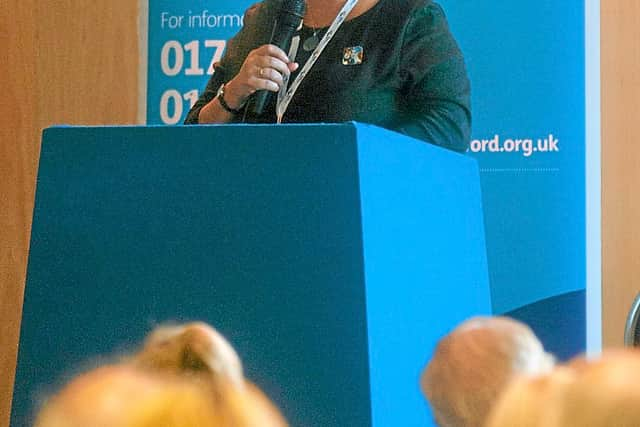
"It is a county with a lot of rural areas and cold homes that are hard to heat," she says.
"People talk about means-testing, but it isn't as simple as that. There are a lot of elderly people living in homes that look large on the outside, but there are people living in just one room because they are so cold.
"Counties like Shropshire, and pockets of Telford, have a lot of rural poverty. It's often hidden, but it's very much there."
Mrs Abrahams says a third of those who are eligible for pension credit do not claim it at the moment. Cutting their winter fuel payment will only exacerbate this, she adds.
"More than 800,000 older people living on very low incomes – under £218.25 a week for single pensioners and under £332.95 for couples – who are already missing out of the Pension Credit they are entitled to get to boost their incomes, will now lose the winter fuel payment that helps them to pay their fuel bills.
"In addition, there are also about a million pensioners whose weekly incomes are less than £50 per week above the poverty line, who will also be hit hard by the loss of the payment. Older people in this group often tell us they really struggle financially; the proposed change will make it even harder for them to afford to stay warm when it gets chilly."
Mrs Abrahams says there is third category who will suffer, those who incomes are just above the threshold for missing out on the pension credit, but who either live in inefficient homes or who suffer serious illness, and need to keep warm.
"It is well established that pensioners tend to do everything possible to avoid going into debt, so if they are worried about their future energy bills, we know their likely response will be to ration their fuel use and economise by reducing their spending on other essentials.
"This proposed policy change is therefore certain to result in more older people experiencing a horrible 'eating or heating' dilemma."
The Government has responded by launching a campaign aimed at encouraging eligible pensioners to apply for pension credit. Work and Pensions Secretary Liz Kendall has pledged to work with local authorities and charities for a 'pension credit week of action' in September, with the aim of identifying eligible households yet to claim.
Mr Whitehouse is sceptical.
"The problem is that everything has to be done online," he says.
"There are many people who aren't capable of doing that, and many of them will also be unable to go out to a support organisation such as Age UK, which can do the application for them.
"There will come a time when everyone is internet savvy, but that's a long way off yet."
In Shropshire there is the additional problem of patchy internet connections in some of the more remote areas. And she says the process is far for straightforward even for those who do have access to the internet.
Mrs Abrahams adds: "Means-testing WFP this winter, with virtually no notice and no compensatory measures to protect poor and vulnerable pensioners, is the wrong policy decision, and one that will potentially jeopardise their health as well as their finances – the last thing they or the NHS needs. With winter now just over the horizon, the Government should halt their proposed change to WFP and think again, given the clear evidence of how it will hurt the older people who need it the most.”
Comment Guidelines
Iconic Media encourages reader discussion on our stories. User feedback, insights and back-and-forth exchanges add a rich layer of context to reporting. Please review our Community Guidelines before commenting.